Study Language

Across the Eurasian Corridor

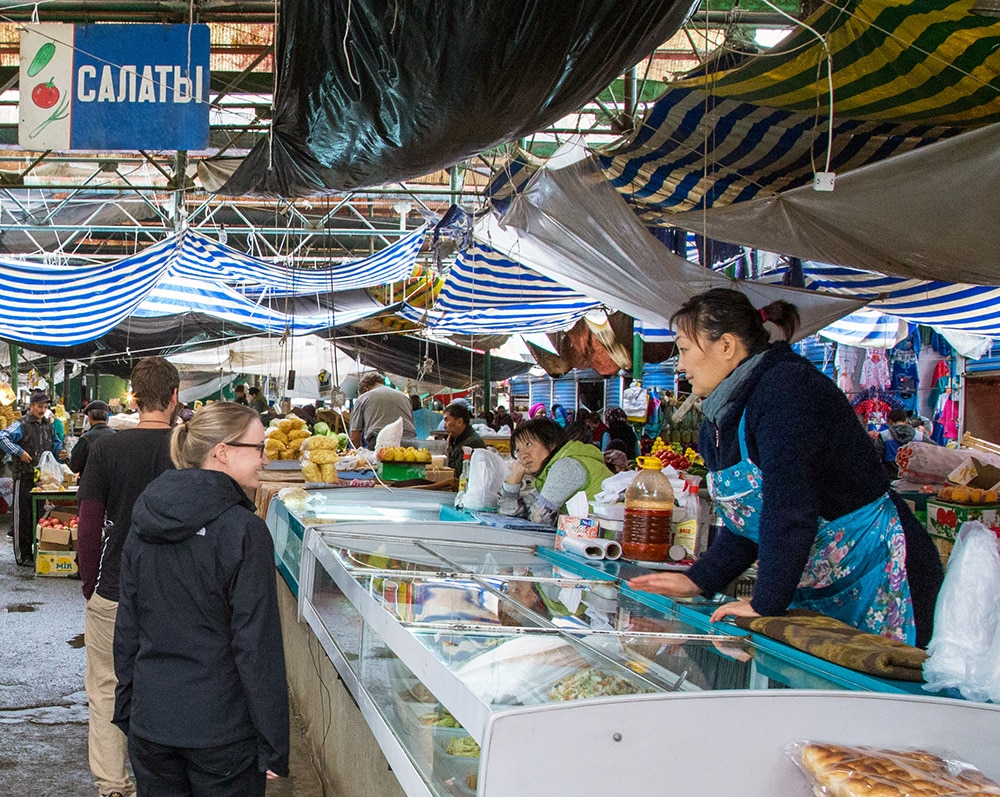
Students hiking Kyrgyzstan while learning Russian!

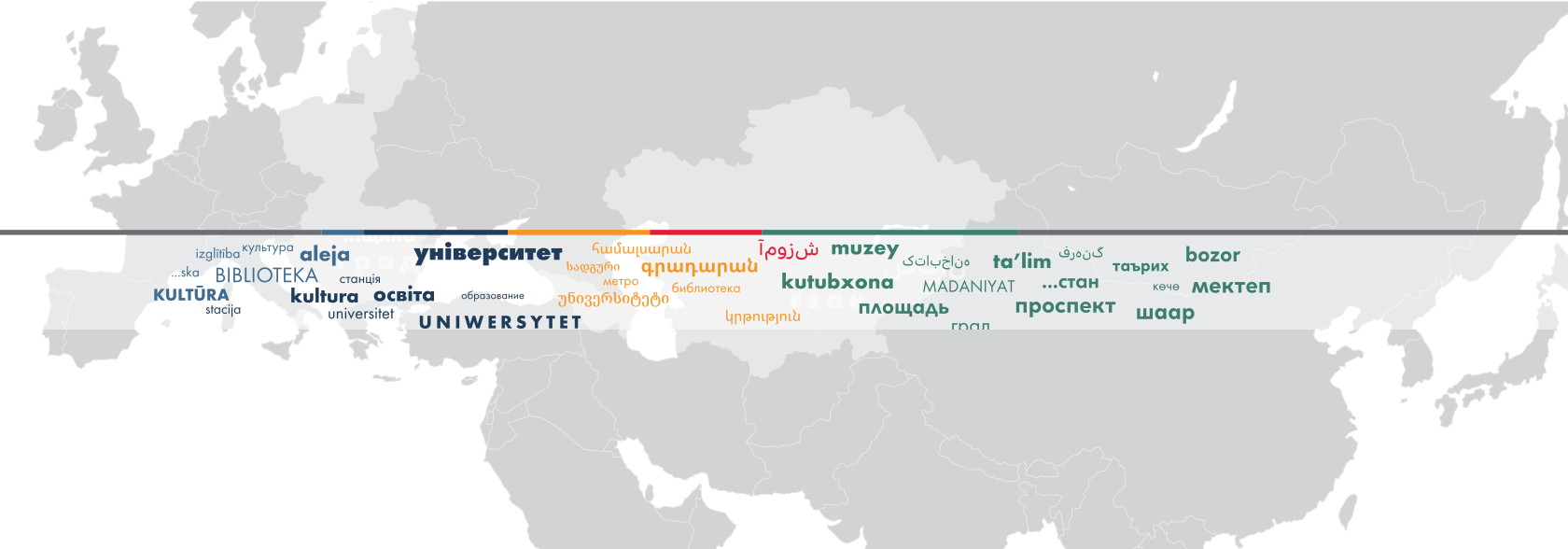
The Eurasian Corridor is home to a remarkable range of languages shaped by centuries of migration, cultural exchange, shifting borders, and political change. Studying language here means developing practical skills while exploring how language reflects identity, history, and the societies in which it is used.

SRAS offers intensive study in languages including Russian, Polish, Ukrainian, Belarusian, Georgian, Armenian, Persian, Kyrgyz, and Latvian. Students learn both inside and outside the classroom, using language in daily life and gaining a deeper understanding of the communities and regions they have come to study.

On this page:

Languages Across Borders

Languages across the Eurasian Corridor rarely exist in isolation. National languages, minority languages, and languages used across borders coexist in ways shaped by history, migration, identity, and contemporary politics. Students encounter not only the language they have come to study, but the multilingual environments in which it is actually used.
Studying Russian Across the Corridor

Students often ask whether it is still effective to study Russian outside Russia. Across the Corridor, Russian remains widely used, but its role varies considerably by location. Studying in Riga, Tbilisi, Bishkek, and other cities exposes students to different patterns of language use shaped by local communities, national languages, history, and politics.

These multilingual environments require active engagement while providing insight into how Russian functions across different national and cultural settings.

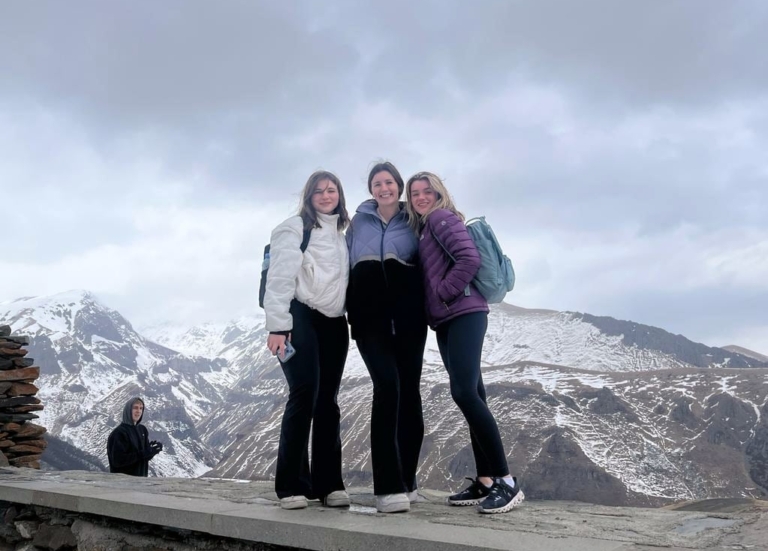
Three students posing together on a mountaintop with snow-capped peaks in the background in Georgia.
SRAS Russian language students exploring the Caucasus Mountains in Georgia.

The Baltics

The Baltics offer a distinctly multilingual environment where national languages exist alongside significant Russian-speaking communities and other European languages. Language is closely connected to questions of identity, history, education, and public policy, making the region particularly valuable for understanding how language functions within changing societies.

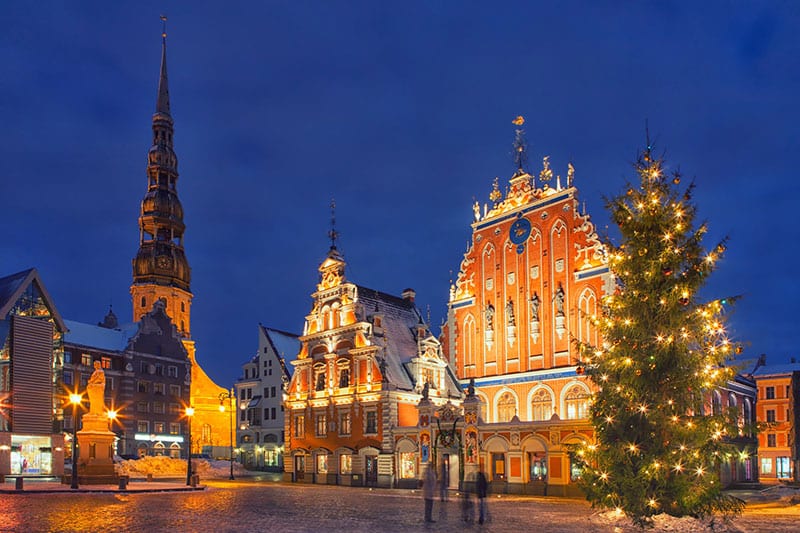
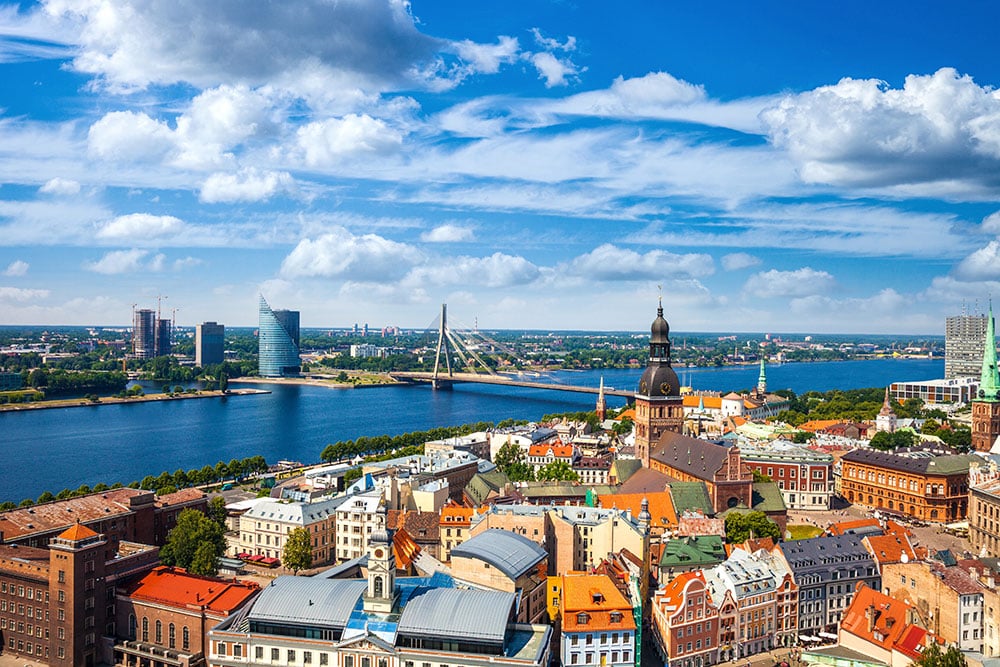
Riga serves as SRAS’s primary language-study base in the region, offering intensive Russian and Latvian alongside opportunities to experience how language use varies across communities, generations, and settings.

Central & Eastern Europe

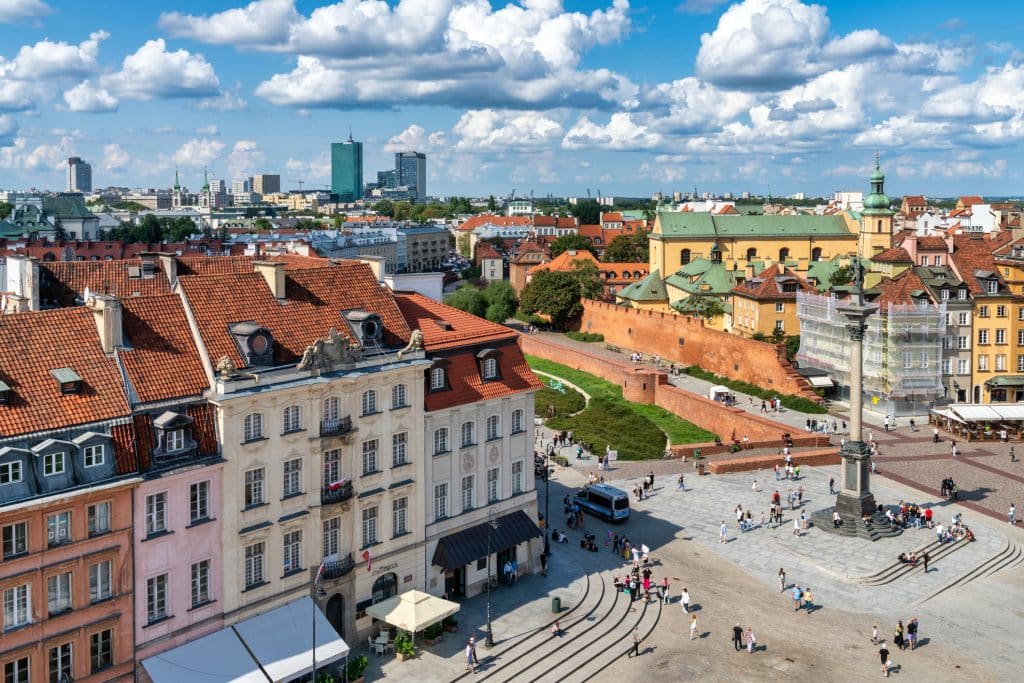
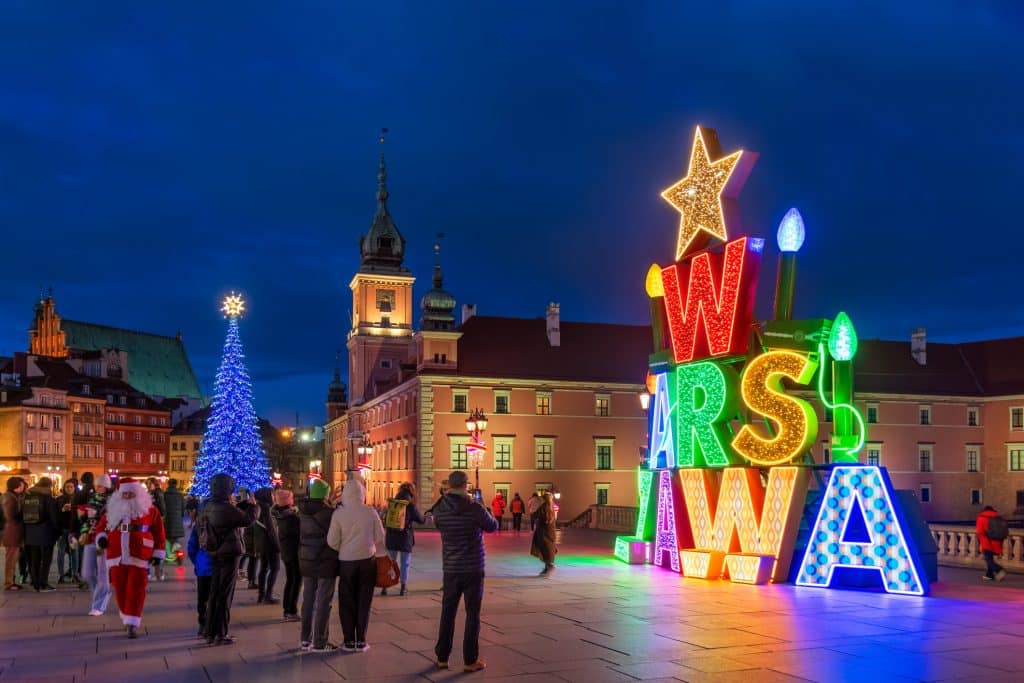
Central & Eastern Europe brings together national languages, multilingual communities, and populations shaped by migration and changing borders. Warsaw offers opportunities to study Polish, Ukrainian, and Belarusian within a major European capital, while Chișinău provides a multilingual environment where Romanian and Russian reflect Moldova’s complex history and evolving identity.

Together, these locations allow students to explore how language both reflects and shapes national identity, migration, historical memory, and contemporary society.

The Caucasus

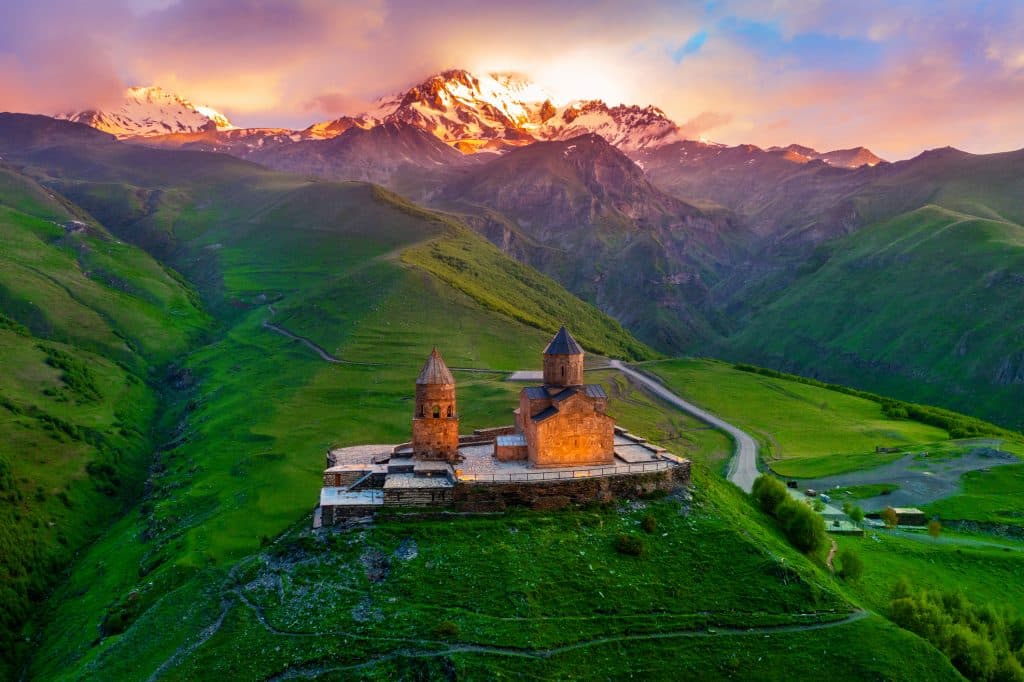
The Caucasus is one of the world’s most linguistically diverse regions, with dozens of languages representing several distinct language families and linguistic traditions. Georgian, with its unique literary tradition and distinctive writing system, belongs to the Kartvelian language family, while Armenian forms its own branch of the Indo-European family. Across the region, language is deeply connected to national identity, cultural heritage, and relationships among communities.

SRAS students can study Georgian and Russian in Tbilisi and Armenian and Persian in Yerevan. Studying within this multilingual environment allows students to consider how language use reflects identity, history, migration, and relationships across the region.

Central Asia

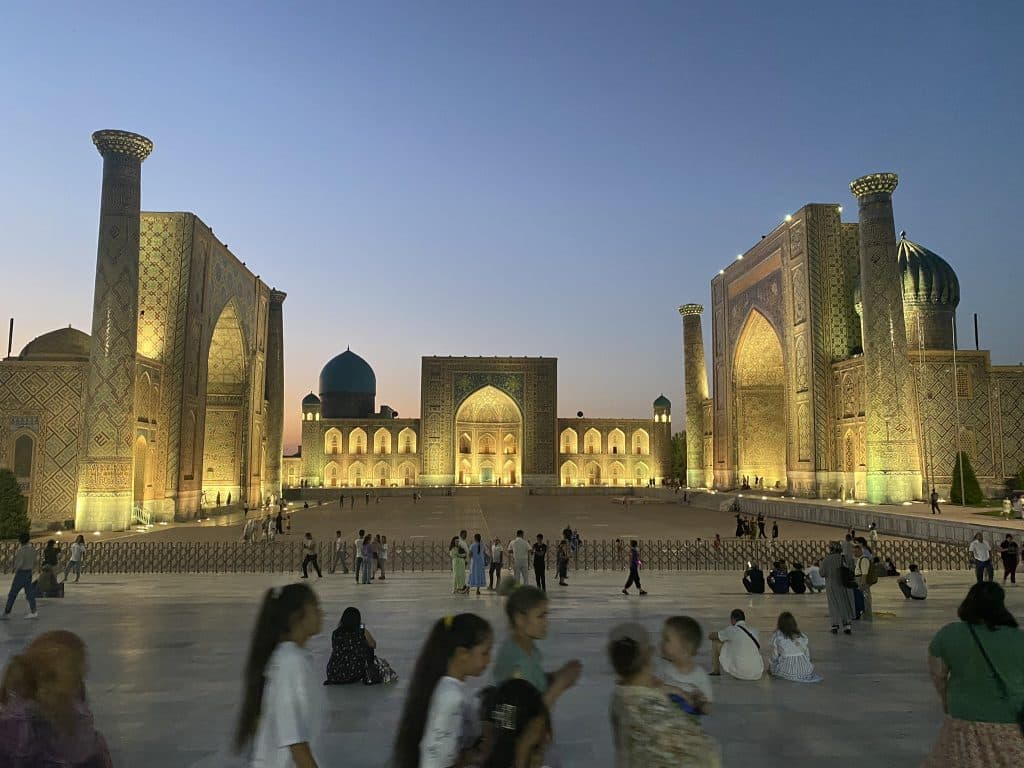
Central Asia’s linguistic landscape reflects centuries of migration, empire, trade, and cultural exchange. Turkic languages predominate across much of the region, alongside Persian-related Tajik and the continuing use of Russian as a shared language across national and linguistic boundaries. Since independence, changing language policies and patterns of use have also reflected evolving ideas about national identity and the place of different languages within society.

Bishkek serves as SRAS’s primary language-study base in Central Asia, where students can study Russian and Kyrgyz within a multilingual environment. Academic travel in Kyrgyzstan, Kazakhstan, and Uzbekistan further exposes students to the ways language use changes across communities and national contexts.

  • Bishkek: Central Asian Studies

    Travel through Central Asia while studying geopolitics, strategic balancing, and energy systems, and using Russian in real-world regional contexts.

Choosing the Right Location

The best location for language study depends on the language, your current level, and the kind of experience you want. Some locations provide extensive opportunities to use your target language in everyday life; others place it within a multilingual environment where language choice itself provides insight into identity and society.

Wherever you study, progress depends on active engagement. Classroom instruction provides the foundation, while conversation partners, homestays, cultural activities, and everyday interaction create opportunities to put language into practice.

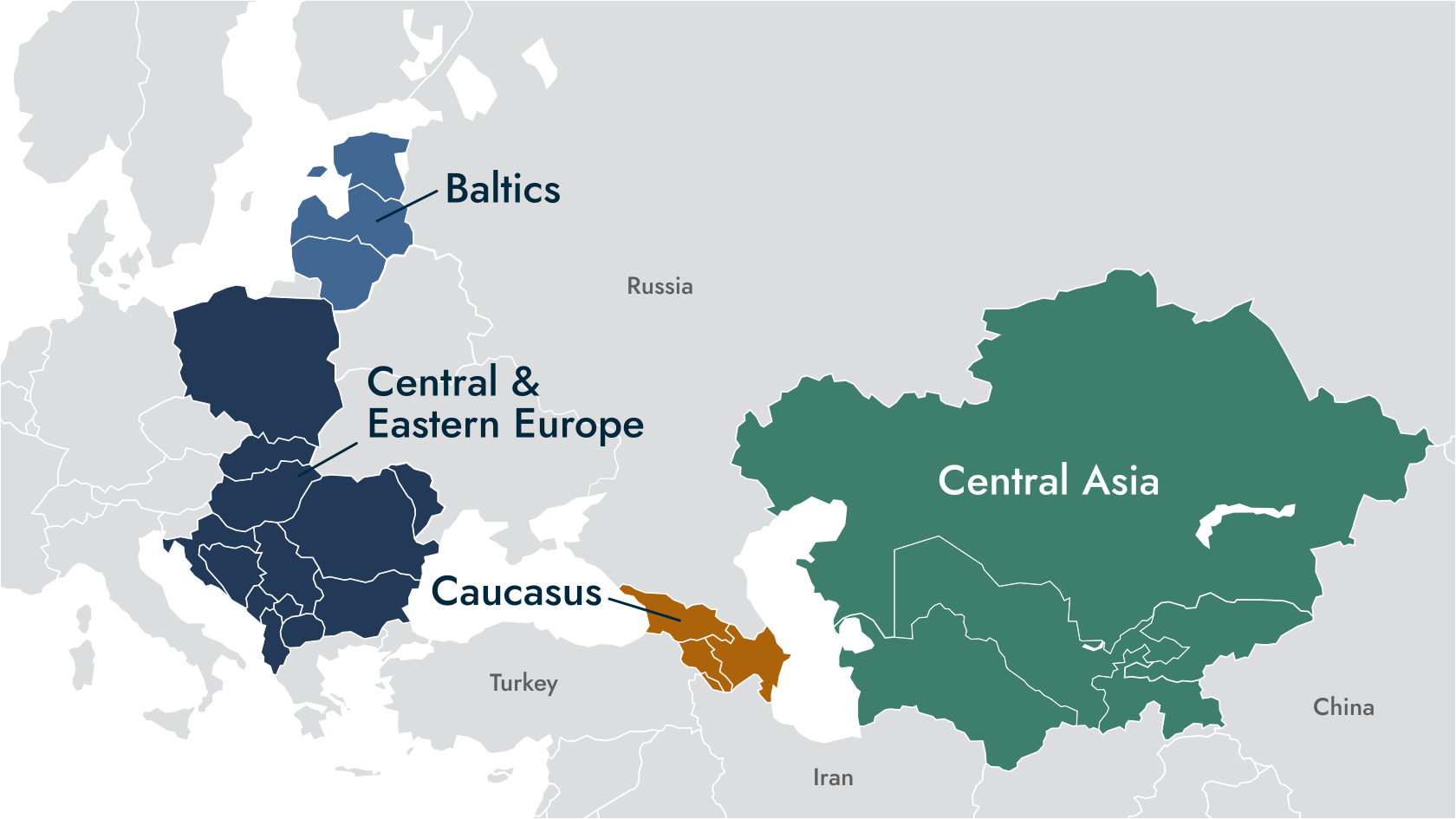
Eurasian Corridor map showing the Baltics, Central & Eastern Europe, the Caucasus, and Central Asia highlighted.

Language in Context

Learning a language also means learning when, where, and why people use it. Across the Eurasian Corridor, language choices can reflect generation, geography, identity, migration, and historical experience. Classroom instruction provides the foundation, while daily life gives students opportunities both to use the language and to observe how it functions within a multilingual society.

Completing an internship in Riga, Latvia.

Find Your Language Program

Explore intensive language programs across the Eurasian Corridor and find the language, location, and timing that fit your goals.

Close-up of elegant Georgian script carved into stone.