Latvia’s history and geography have brought Baltic, German, Russian, and Nordic influences into close contact. Latvian is the country’s official language, while Russian remains widely spoken, particularly in Riga and parts of eastern Latvia. This multilingual environment makes questions of language, identity, citizenship, and historical memory especially visible in contemporary society.
Since restoring independence in 1991, Latvia has become firmly integrated into the European Union and NATO while maintaining close relationships across the Baltic Sea region. Its history and location continue to shape debates surrounding security, media, the information environment, and relationships with Russia and neighboring countries.
Latvia’s compact size also allows students to encounter significant regional differences within a relatively small area, from the multilingual capital of Riga to smaller cities, rural communities, and the predominantly Russian-speaking environment of parts of Latgale.
Latvia in the Baltics
Latvia shares many historical experiences with Estonia and Lithuania, but its linguistic, demographic, and geographic position gives those experiences a particular character. Like Estonia, Latvia has a substantial Russian-speaking population, making questions of language policy, citizenship, education, and media especially important. At the same time, its location between Estonia and Lithuania and its connections across the Baltic Sea place it within relationships extending toward both the Nordic countries and Central & Eastern Europe.
These characteristics make Latvia particularly useful for examining how Baltic states have responded differently to shared historical and contemporary challenges. Questions surrounding language and integration, historical memory, information security, and relationships with Russia can be explored within Latvia while also being compared with different approaches in neighboring Estonia and Lithuania.

Study in Riga
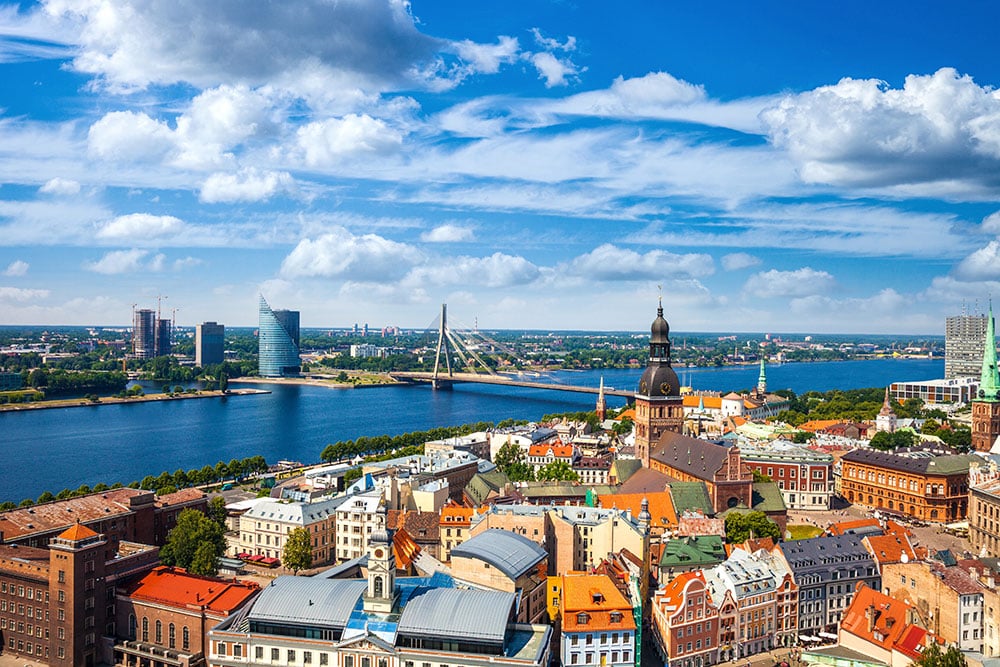
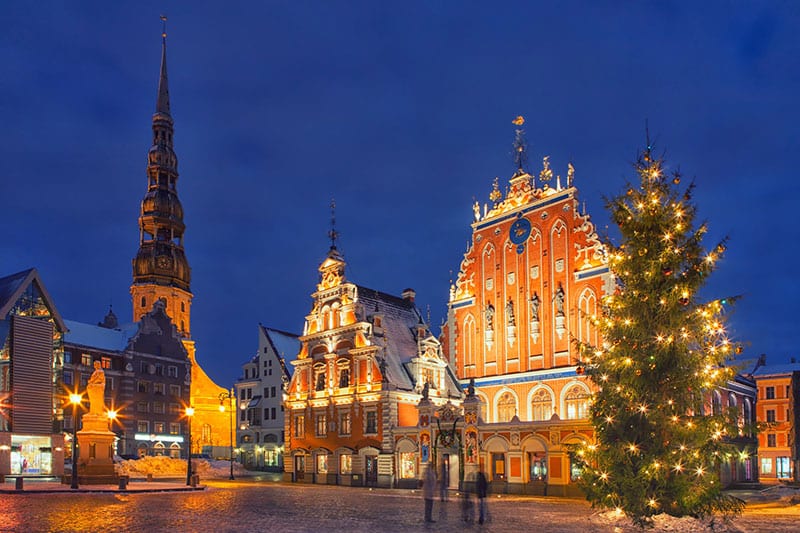
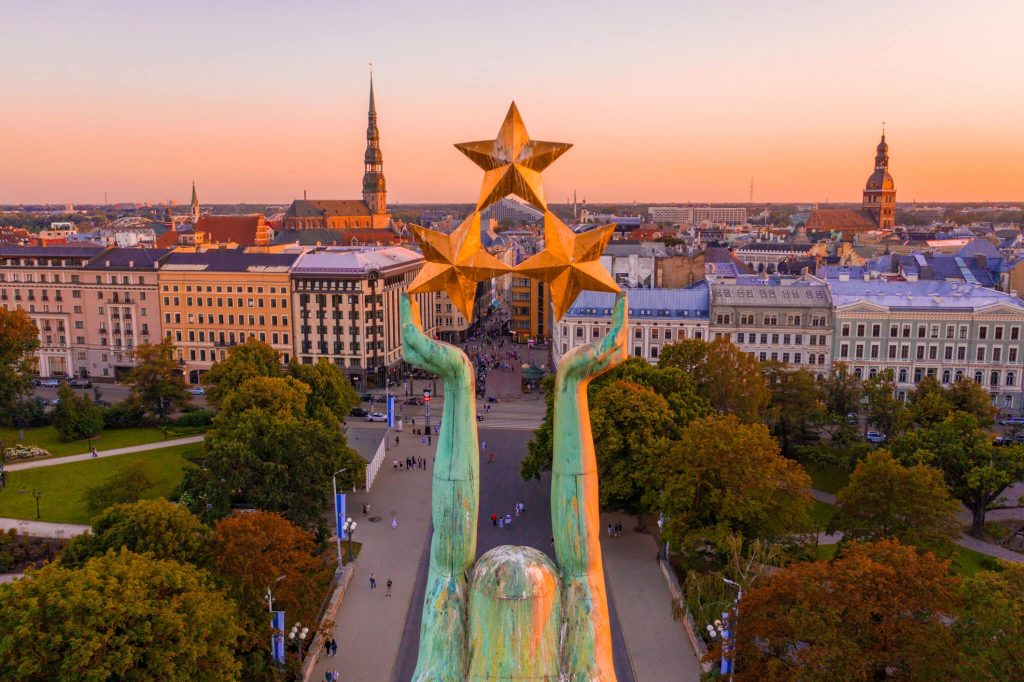
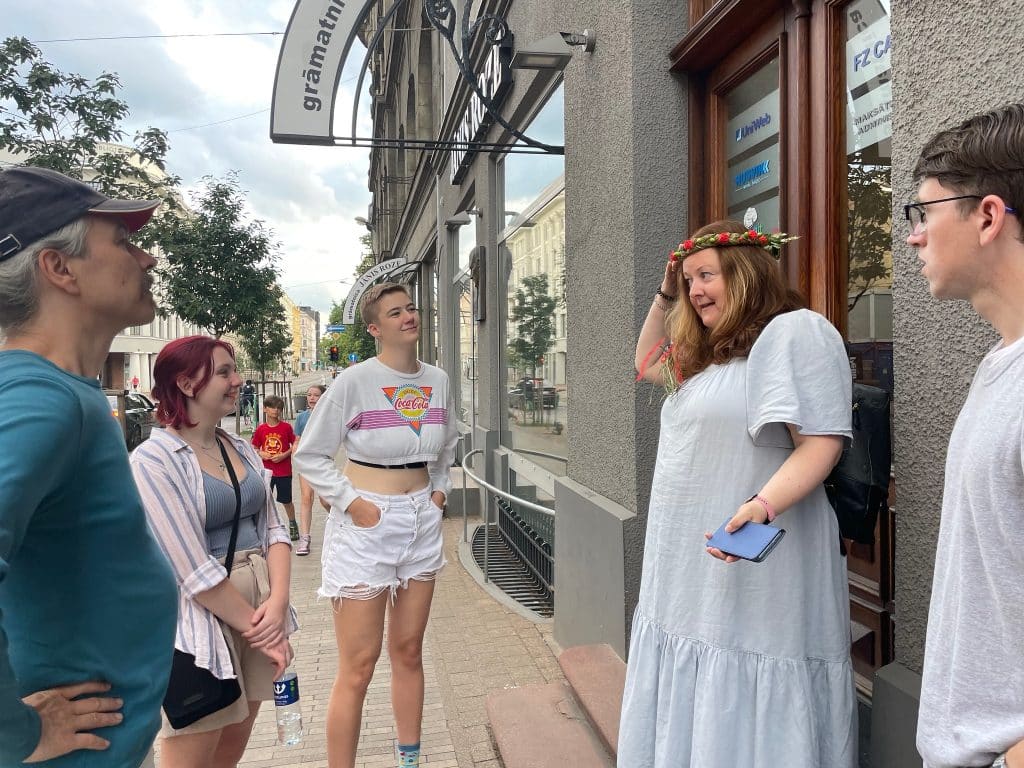
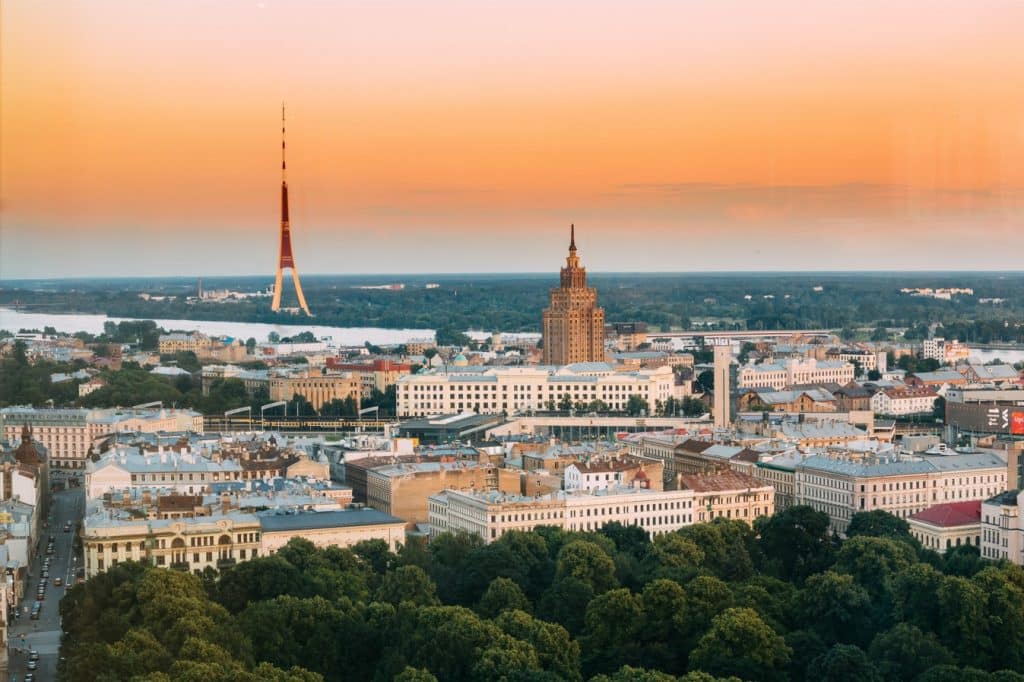
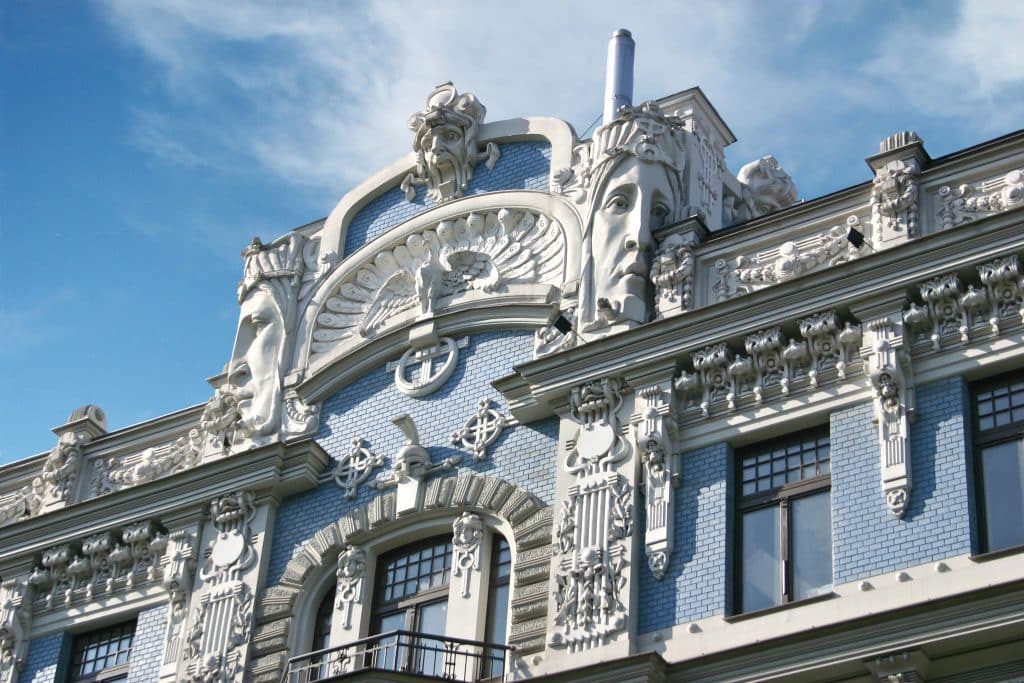
Riga serves as the primary academic base for SRAS programs in the Baltics. Latvia’s capital brings together universities, museums, cultural institutions, historic neighborhoods, and Latvian- and Russian-speaking communities that support both language study and interdisciplinary exploration of the region.
Its central location and strong transportation connections also make Riga an effective base for regional travel. SRAS programs may incorporate academic travel elsewhere in the Baltics, while students can independently explore destinations across the region and farther afield during their time abroad.

Explore Latvia
Explore destinations beyond Riga that highlight different dimensions of Latvia’s history, culture, landscape, and contemporary society.

Daugavpils
Latvia’s second-largest city offers a different linguistic and cultural environment from Riga. Its Russian-speaking population, Latgalian setting, and historic fortress provide perspectives on language, identity, regional diversity, and the influences that have shaped eastern Latvia.

Liepāja / Karosta
Latvia’s western port city combines Baltic maritime culture with an extraordinary military legacy. Karosta, built as a Russian imperial naval base and later closed under Soviet rule, provides perspectives on security, military infrastructure, Soviet history, and post-Soviet transformation.

Cēsis
One of Latvia’s oldest towns, Cēsis offers perspectives on the country’s medieval and early modern history, architectural heritage, and evolving national identity. Its historic center and surrounding landscape connect local history with the broader cultural development of Latvia.

Sigulda / Turaida
The Gauja Valley around Sigulda and Turaida brings together medieval castles, Livonian history, historic estates, and cultural landscapes. The area provides perspectives on the peoples and political systems that shaped Latvia before the modern nation-state emerged.

Līgatne / Gauja National Park
Līgatne combines the forests and river landscapes of Gauja National Park with industrial and Soviet-era history. Its historic paper-mill community and once-secret nuclear bunker offer perspectives on rural life, environmental preservation, industry, and the Cold War.
-
Ventspils / Irbene
Ventspils and nearby Irbene connect Latvia’s Baltic Sea geography with trade, infrastructure, and Cold War history. The port city and former secret Soviet radio-intelligence site reveal how Latvia’s coastline has shaped economic connections, military strategy, and security.


Programs in Latvia

Riga: Russian as a Second Language
Study Russian in Riga, where a multilingual environment shaped by history and policy offers insight into language and identity.
Winter Break Riga: Russian Language Intensive
Spend winter break in Riga with intensive Russian language study, homestay immersion, and cultural experiences across the city.
Media Literacy in the Baltics: Identity, AI, and Security
Explore media, identity, AI, and security in Latvia through an intensive, field-based certificate program.

Spring Break Riga: Russian Language Immersion
Build your Russian language skills while exploring the languages, cultures, and communities of Latvia.
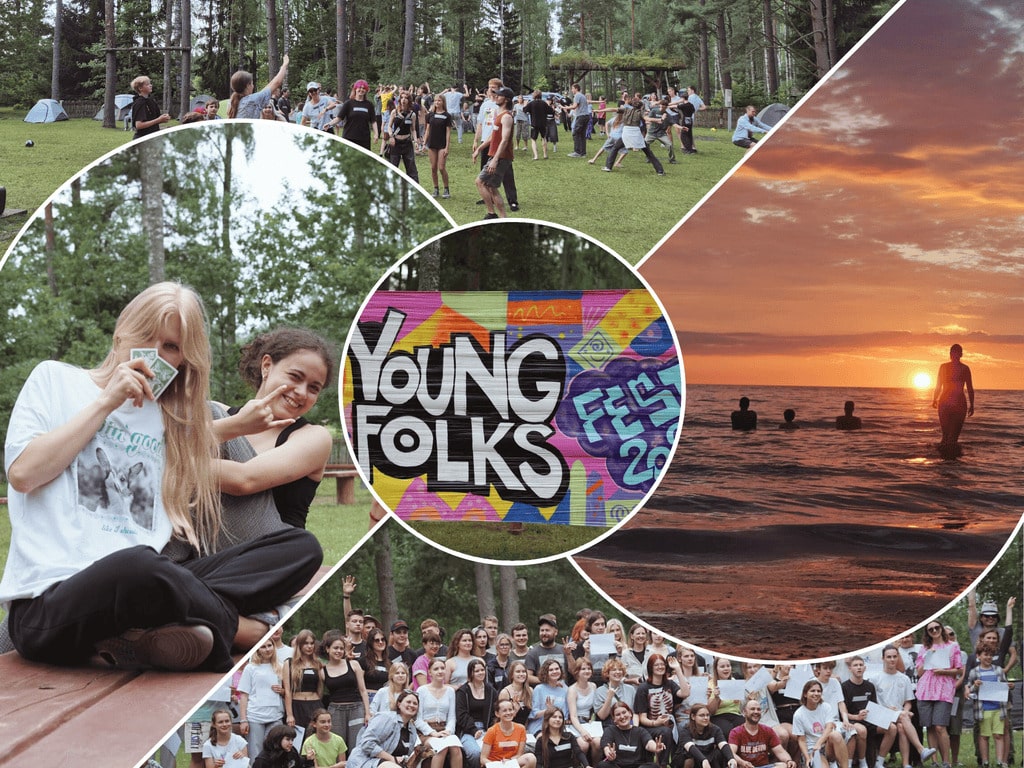
Latvia for Youth: Language, Community Engagement & Culture
High school program blending intensive Russian language study, service learning, and cultural programming.

Riga: Baltic Security and the Information Environment
Examine information warfare, media systems, and digital governance on NATO’s frontier while developing Russian language skills in the Baltic region.
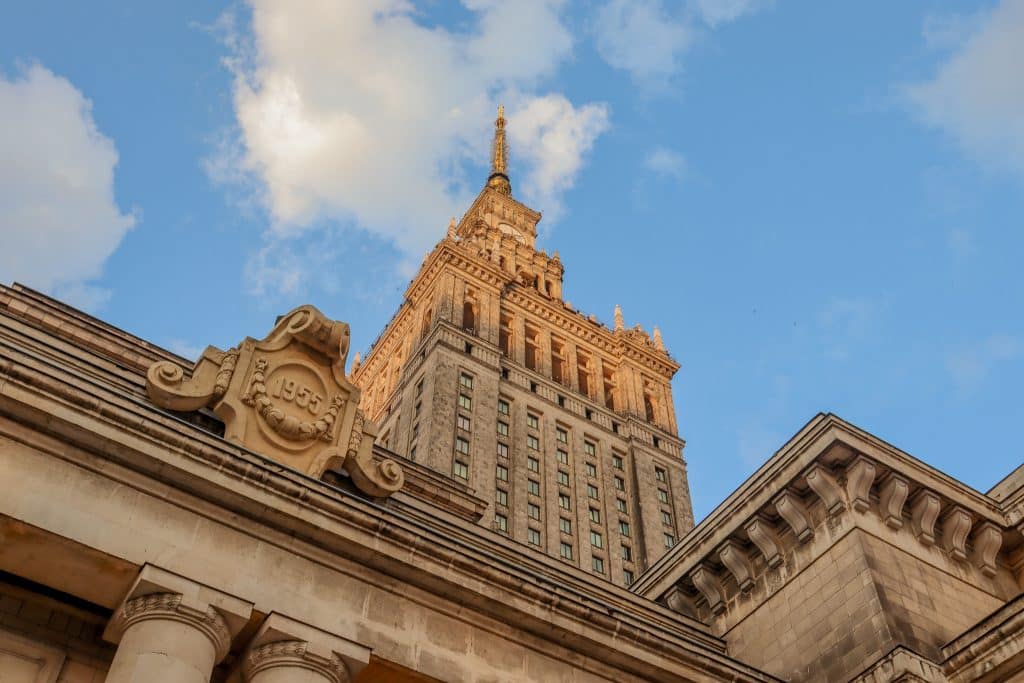
Warsaw: Security & Diplomacy–CEE Perspectives
Study security and diplomacy in Warsaw after intensive Polish in Warsaw or Russian in Riga.