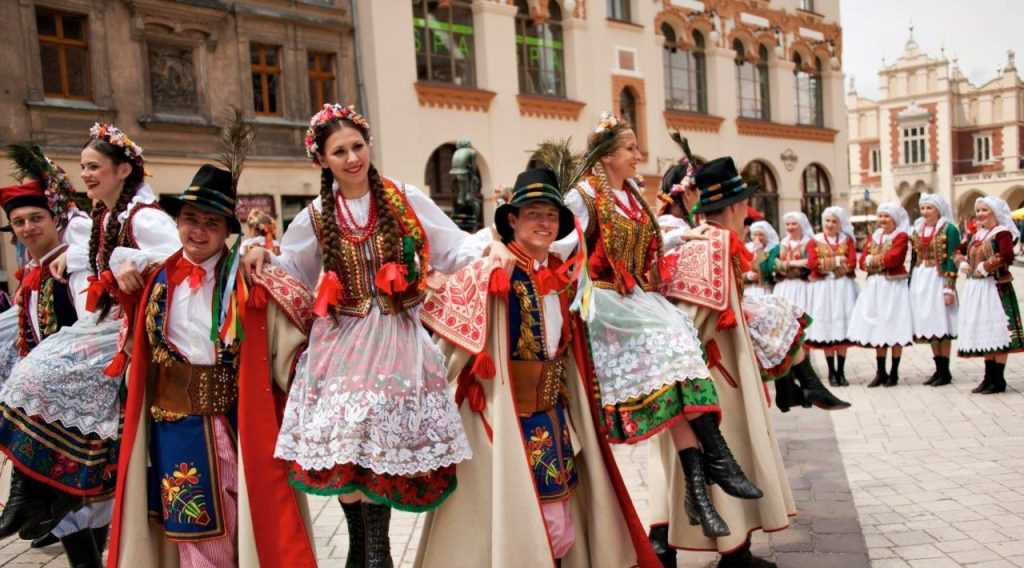
Central & Eastern Europe has been shaped by centuries of shifting borders, competing empires, migration, and cultural exchange. The twentieth century brought war, occupation, changing political systems, and the division of Europe during the Cold War, while the decades since 1989 have brought another period of profound political, economic, and social transformation.
Today, the region encompasses countries with different languages, historical experiences, and political trajectories, but many share questions surrounding European integration, security, migration, historical memory, and national identity. Membership in the European Union and NATO has reshaped much of the region, while relationships with Ukraine, Russia, and neighboring states continue to influence political and security debates.
These historical layers and contemporary relationships make Central & Eastern Europe particularly valuable for students interested in language, international relations, security, history, political science, identity, and regional studies. They also provide context for understanding broader questions about democracy, European institutions, borders, and the changing political geography of Europe.
Central & Eastern Europe in the Eurasian Corridor
Within the Eurasian Corridor, Central & Eastern Europe forms the western anchor of a broader space extending through the Caucasus and into Central Asia. Much of the region is integrated into the European Union and NATO, while its position along Europe’s eastern frontier places it directly within many of the security and political questions surrounding Ukraine, Russia, and the Black Sea.
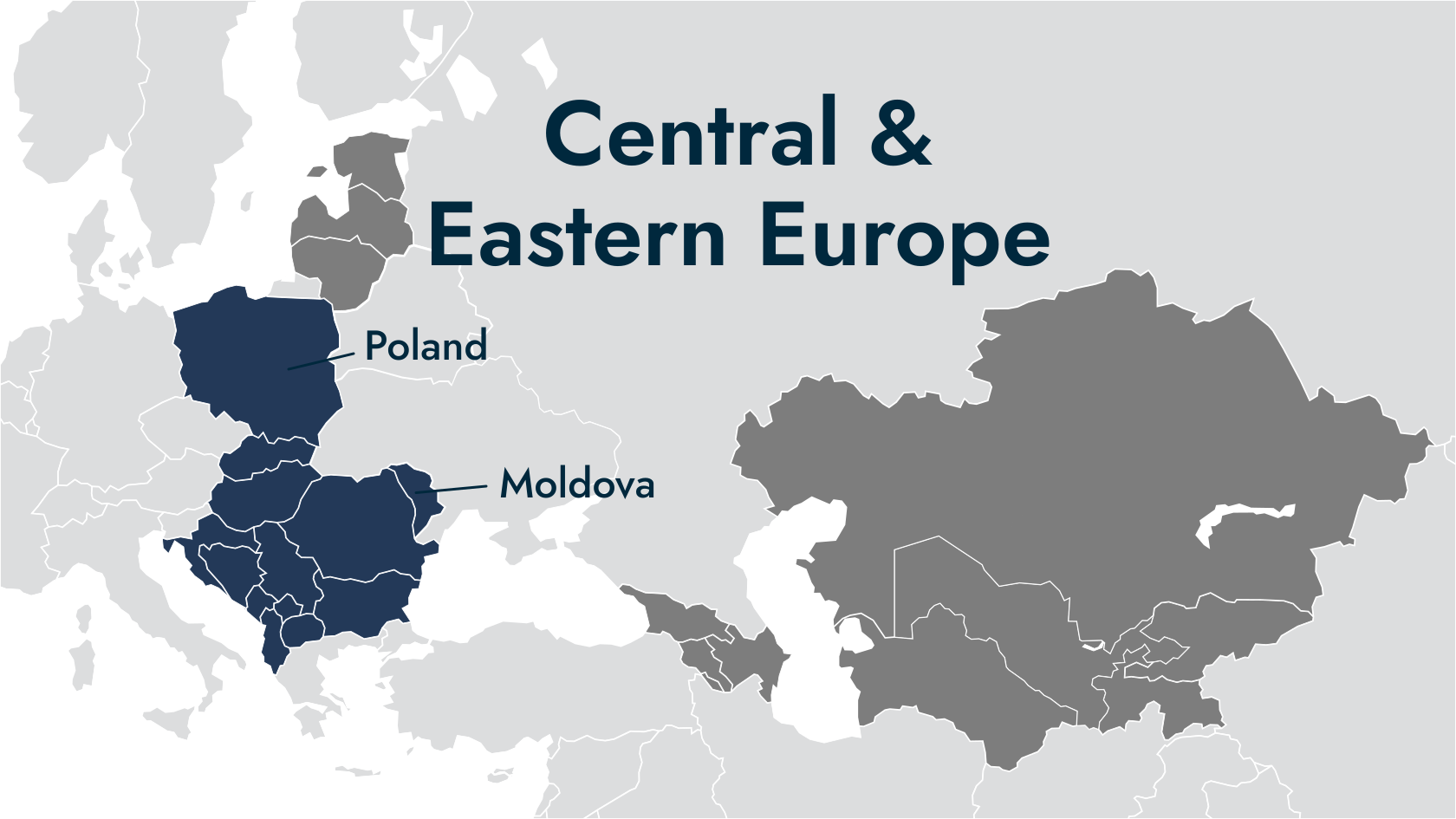
Transportation and energy networks, migration, trade, and cultural ties also connect Central & Eastern Europe with regions farther east. These relationships make the region important not only as part of Europe, but also as a point of interaction between European institutions and the wider political, economic, and cultural systems extending across Eurasia.
Study Destinations in Central & Eastern Europe
Poland
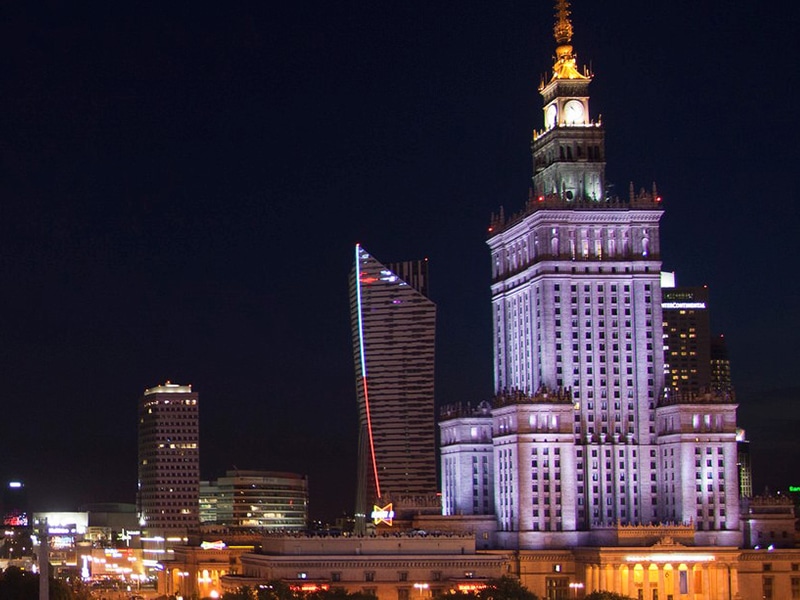
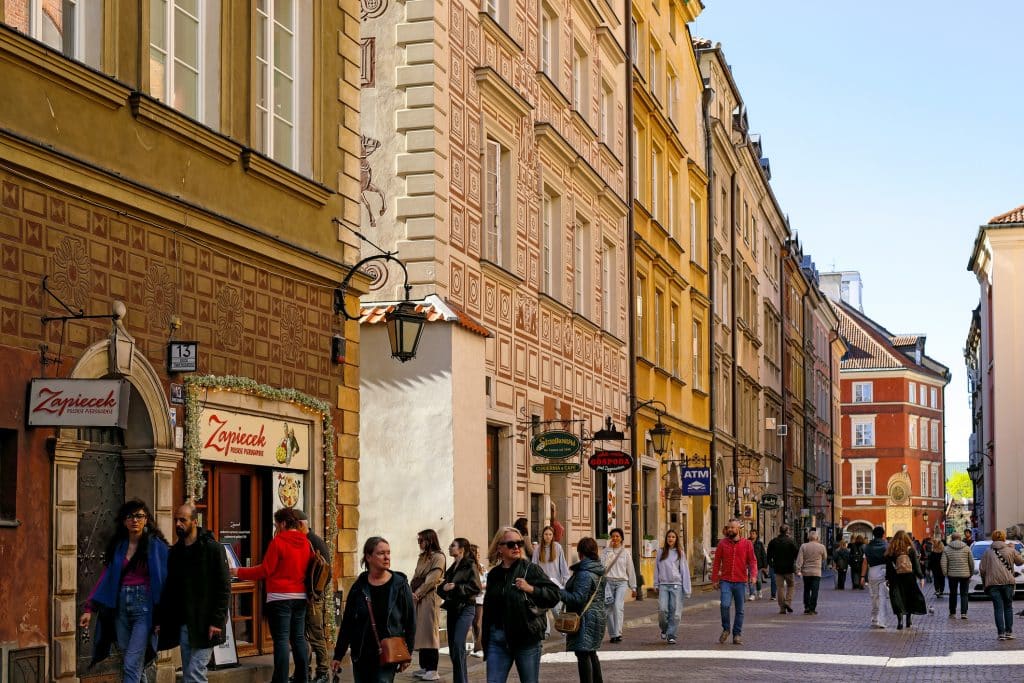
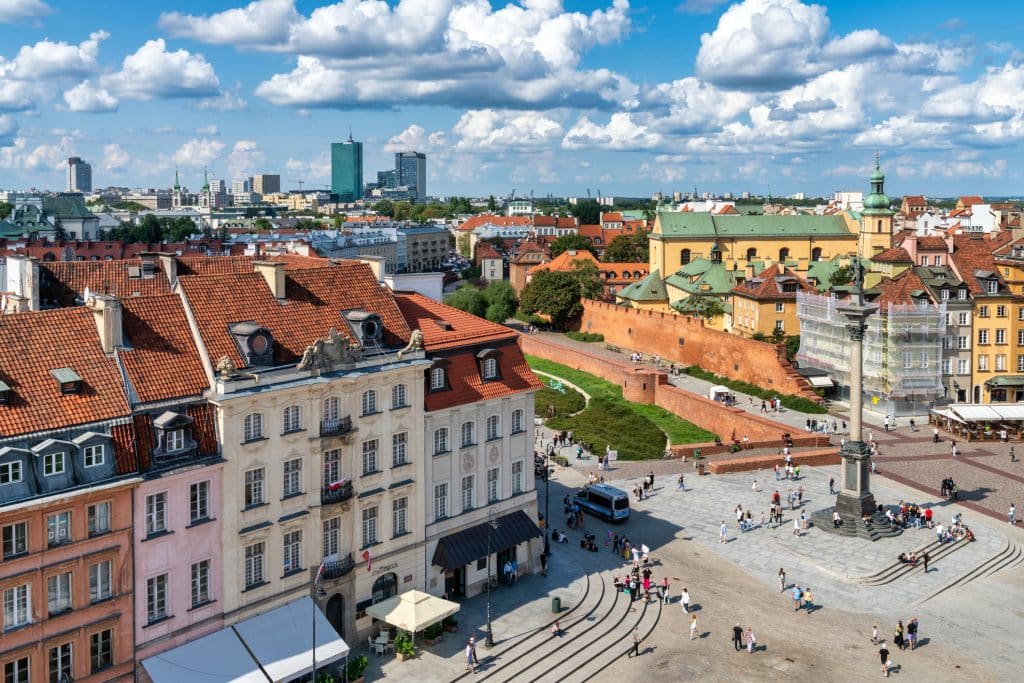
Explore European security, democratic institutions, history, and Polish language from a country whose relationships with the EU, NATO, Ukraine, and its eastern neighbors place it at the center of many contemporary regional debates.
Moldova
Examine how language, identity, and historical experience intersect in a country balancing multiple cultural traditions and evolving relationships with Europe and the broader Eurasian region.
Learning Across the Region
Central & Eastern Europe brings questions of language, identity, security, history, and political change into particularly close relationship, allowing students to approach the region through multiple academic perspectives.
Language
Build proficiency in Polish, Russian, Ukrainian, or Belarusian while exploring how language reflects identity, history, and contemporary society across Central & Eastern Europe.
International Relations & Security
Examine NATO, European security, democratic institutions, regional cooperation, and relationships with Ukraine, Russia, and neighboring states.
Identity & Society
Explore how language, historical memory, migration, and cultural traditions continue to shape national identities and contemporary society across the region.
History & Culture
Explore how imperial, wartime, socialist, and post-1989 legacies continue to shape institutions, communities, and cultural life.
Programs in Central & Eastern Europe

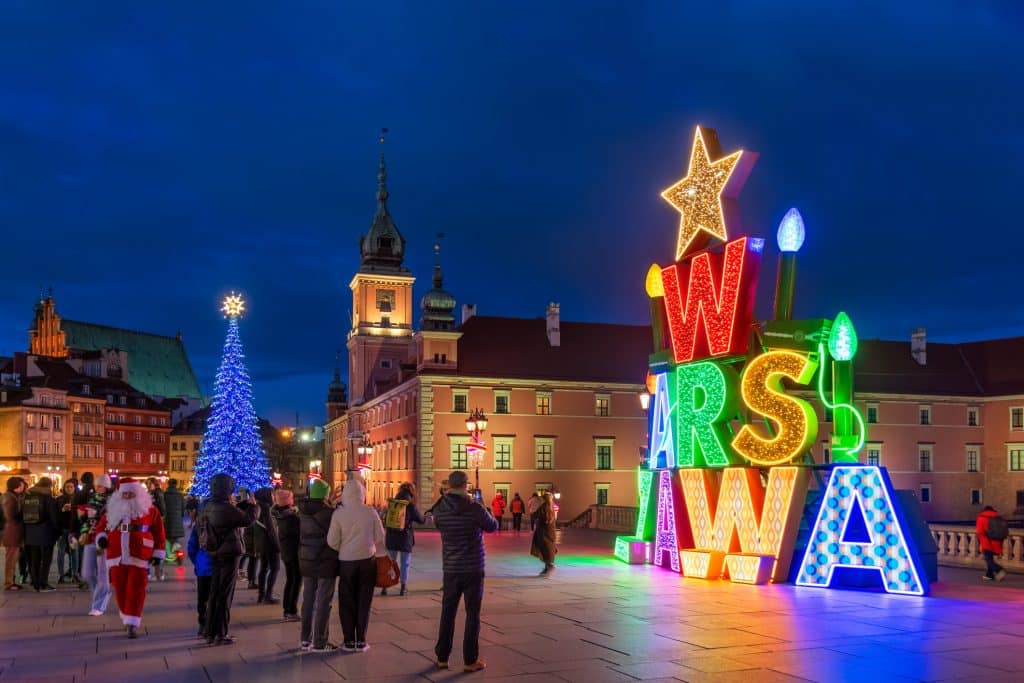
Spring Break Warsaw: Ukrainian Language Intensive
Spend spring break in Warsaw with intensive Ukrainian language study and cultural experiences exploring the city and its Ukrainian community.
Winter Break Warsaw: Ukrainian Language Intensive
Spend winter break in Warsaw with intensive Ukrainian language study and cultural experiences exploring the city and its Ukrainian community.

Chișinău: Russian as a Second Language
Study Russian in Chișinău through intensive language instruction, a Russian-speaking homestay, and engagement with Moldova’s multilingual society.
Winter Break Chișinău: Russian Language Intensive
Spend winter break in Chișinău with intensive Russian language study, homestay immersion, and cultural experiences across Moldova.

Warsaw: Belarusian Studies
Build on your Slavic language skills while exploring Belarusian culture, identity, and contemporary society in Warsaw and Podlasie.

Warsaw: Security and Society Summer School
Multi-faceted study of global security threats and a research internship at the Terrorism Research Center
Warsaw: Polish Language
Study Polish in Warsaw, using the language in daily life while engaging with culture, institutions, and contemporary society.
Warsaw: Ukrainian Language
Study Ukrainian in Warsaw, where a growing Ukrainian community brings the language into daily life across a dynamic European city.
Warsaw: Security & Diplomacy–CEE Perspectives
Study security and diplomacy in Warsaw after intensive Polish in Warsaw or Russian in Riga.