Georgia occupies a distinctive position between the Black Sea and the Caucasus Mountains, with a history shaped by regional kingdoms, trade routes, competing empires, and relationships with powerful neighbors. Its language, alphabet, religious traditions, food and wine culture, and strong sense of national identity distinguish it within a region already known for extraordinary cultural diversity.
Contemporary Georgia is equally valuable for understanding political and social change. Questions of democratic development, civil society, regional security, migration, language, and identity unfold alongside continuing debates over Georgia’s relationships with Europe, Russia, and its neighbors in the South Caucasus.
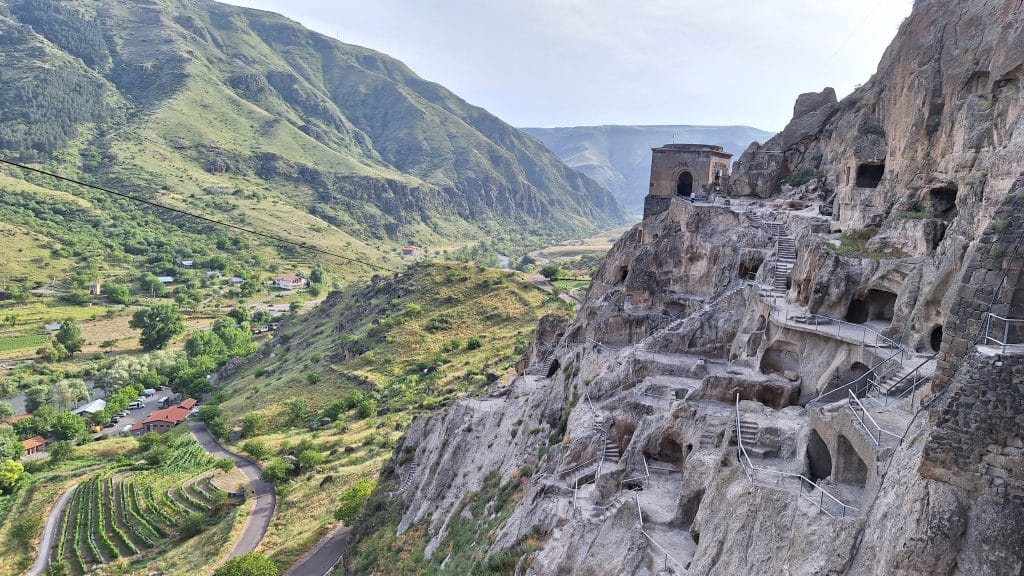
Georgia’s remarkable geographic diversity also makes it particularly well suited to field-based study. Tbilisi provides the primary academic base, while travel to mountain communities, wine-producing regions, historic cities, border areas, and other parts of the country reveals significant regional differences within Georgia itself.
Georgia in the Caucasus
Georgia’s location gives it an important role connecting the South Caucasus with the Black Sea and Europe. Its relationships with Armenia, Azerbaijan, Turkey, and Russia, together with its aspirations for closer European integration, place the country within many of the political, economic, and security questions shaping the wider region.
For students based in Georgia, regional travel can extend this perspective. Programs that incorporate Armenia and Azerbaijan allow students to encounter neighboring societies with different languages, political systems, historical experiences, and relationships with regional powers.
Study in Tbilisi
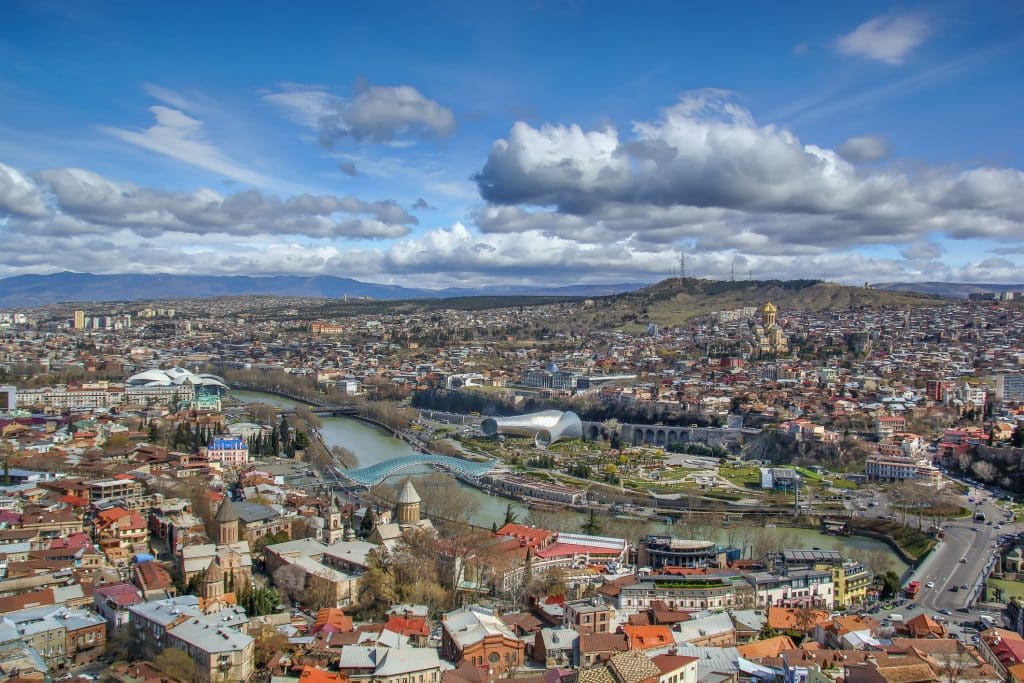
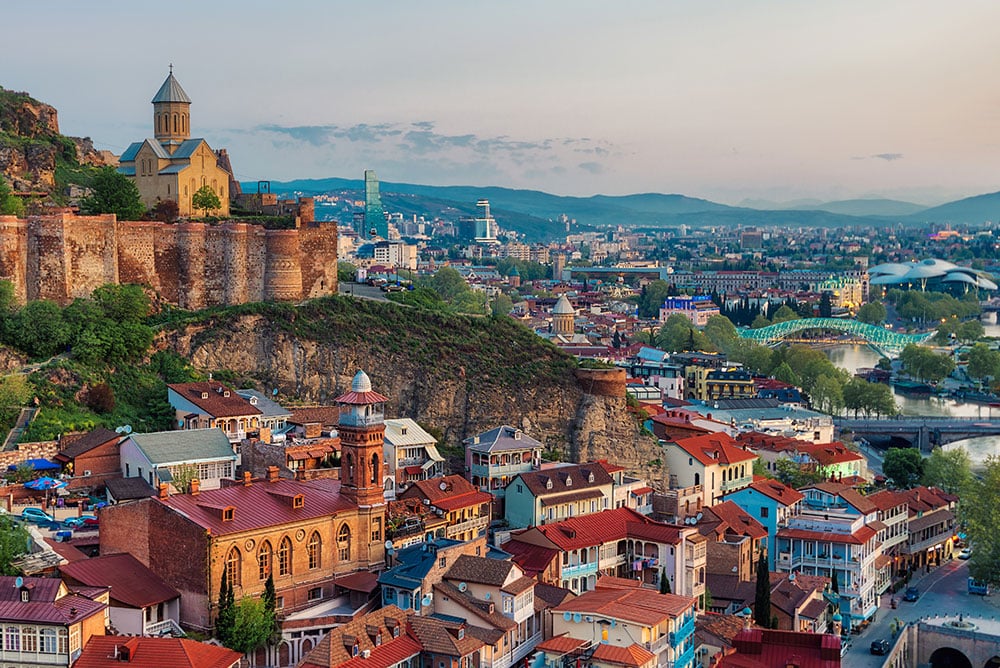
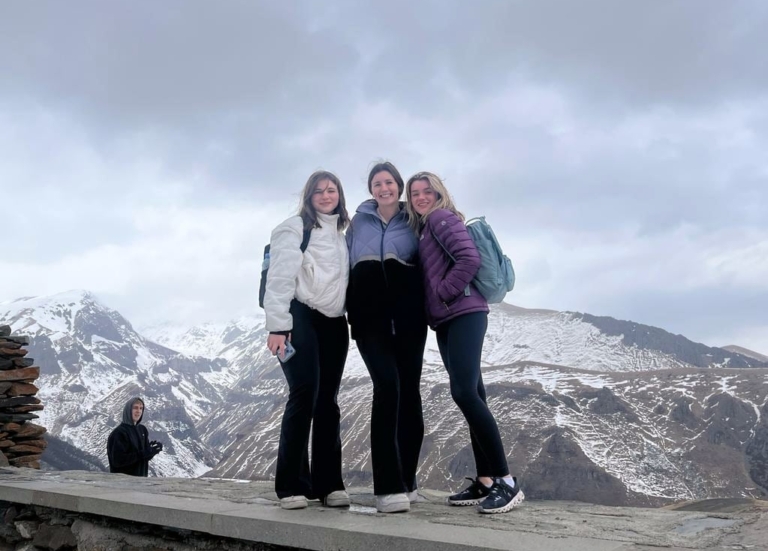
Tbilisi serves as the academic home for most SRAS programs in the Caucasus. Georgia’s capital brings together universities, cultural institutions, historic neighborhoods, contemporary arts and culture, and communities from across the country and wider region. Its location also supports academic travel within Georgia and across the South Caucasus.

Explore Georgia
Explore destinations beyond Tbilisi that highlight different dimensions of Georgia’s history, culture, landscape, and contemporary society.

Kakheti
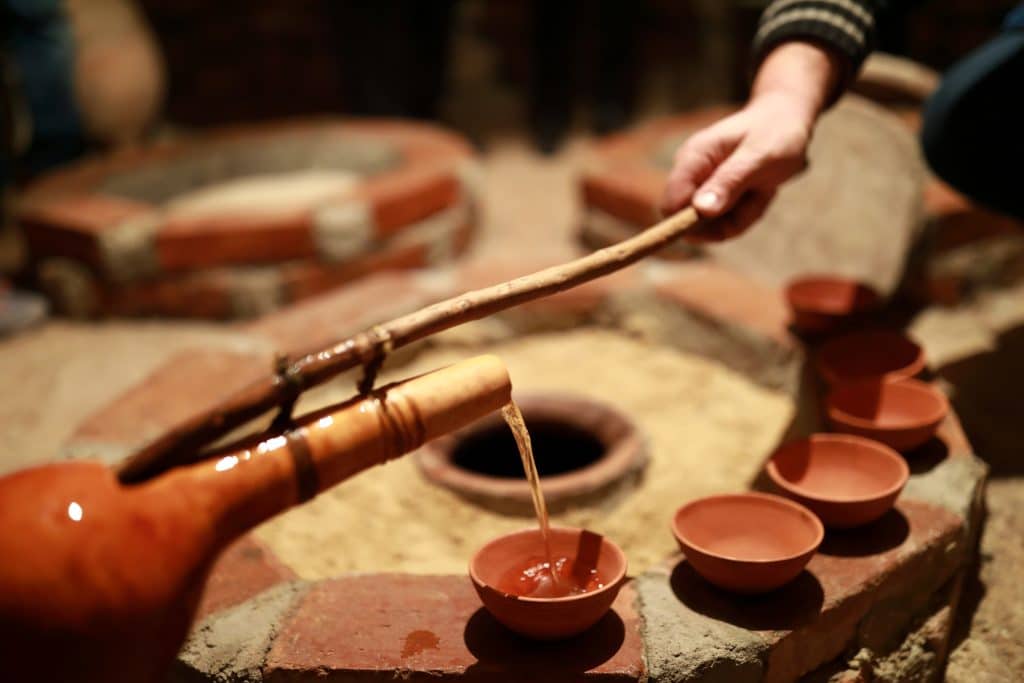
Georgia’s principal wine region connects ancient winemaking traditions with agriculture and rural life. Vineyards, villages, monasteries, and family-run wineries provide perspectives on how food, land, religion, and hospitality continue to shape life in eastern Georgia.

Kazbegi / Stepantsminda
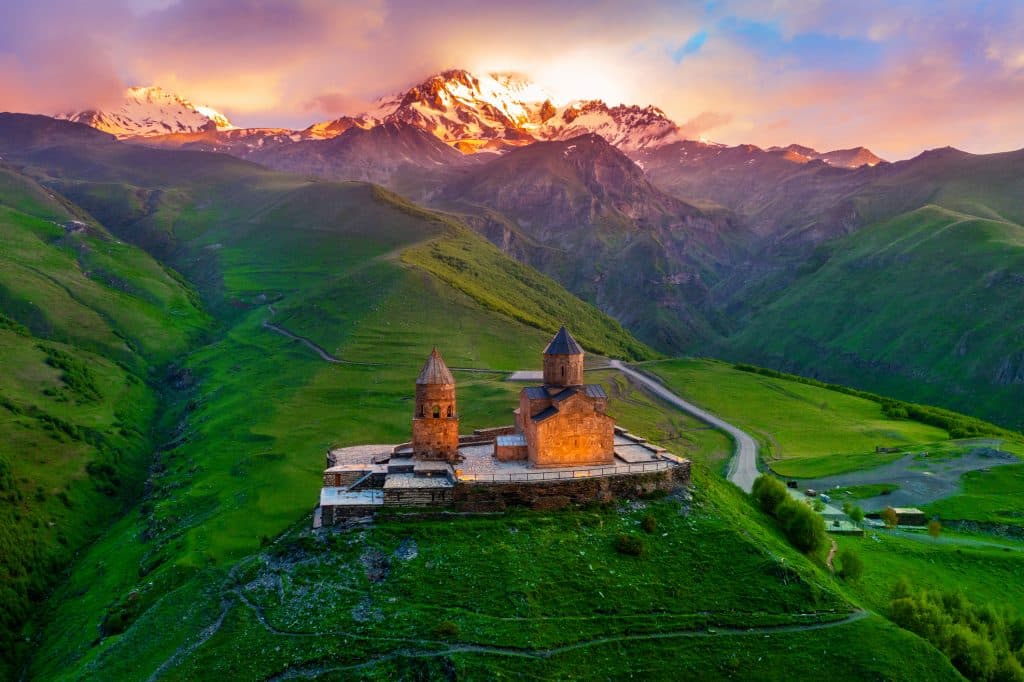
Set high in the Greater Caucasus, Stepantsminda reveals how geography shapes communities, transportation, and regional connections. The Georgian Military Highway links dramatic mountain landscapes with centuries of movement across Georgia’s northern frontier.

Batumi / Adjara
Georgia’s Black Sea coast reveals a different side of the country. Batumi and the autonomous region of Adjara bring together Ottoman and Muslim heritage, maritime connections, distinctive regional traditions, and rapid development driven in part by tourism.

Gori
Stalin’s birthplace provides a complex setting for examining Soviet history and historical memory. Nearby sites connected to the 2008 war and the occupation boundary with South Ossetia add perspectives on conflict, displacement, security, and contemporary Georgian politics.

Kutaisi
One of Georgia’s oldest cities and a historic center of western Georgia, Kutaisi connects medieval heritage with Soviet industrial development and post-Soviet change. The city provides a useful counterpoint to Tbilisi and perspectives on the country’s regional diversity.

Marneuli / Kvemo Kartli
One of Georgia’s most diverse regions, Kvemo Kartli is home to substantial Azerbaijani and Armenian communities alongside ethnic Georgians. Marneuli offers perspectives on language, minority communities, local media, identity, and everyday cultural interaction.


Programs in Georgia

International Studies: Professional Practice in Georgia
Professional Experience, Applied Skills, and Cultural Immersion

Tbilisi: Identity and Conflict in the Caucasus
Study identity and conflict through regional travel, interdisciplinary courses, and language immersion across Georgia, Armenia, and Azerbaijan.

Tbilisi: Russian as a Second Language
Study Russian in Tbilisi, where it connects cultures, communities, and regional travel across the South Caucasus.

Crossroads: Geopolitics and Security in the Caucasus
Travel across Armenia, Azerbaijan, and Georgia while exploring geopolitics, conflict, and identity in one of Eurasia’s most strategic regions.
Tbilisi: Georgian Language & Culture
Study Georgian in Tbilisi through immersive language training, cultural engagement, and exploration of identity in the Caucasus.
Wine and History in Georgia: Identity, Tradition, and Taste
Learn the history, culture, and identity of Georgia through a study of its wine.