Faculty-Led Programs Across the Eurasian Corridor

Develop custom faculty-led programs supported by regional expertise, local partnerships, and immersive learning experiences.

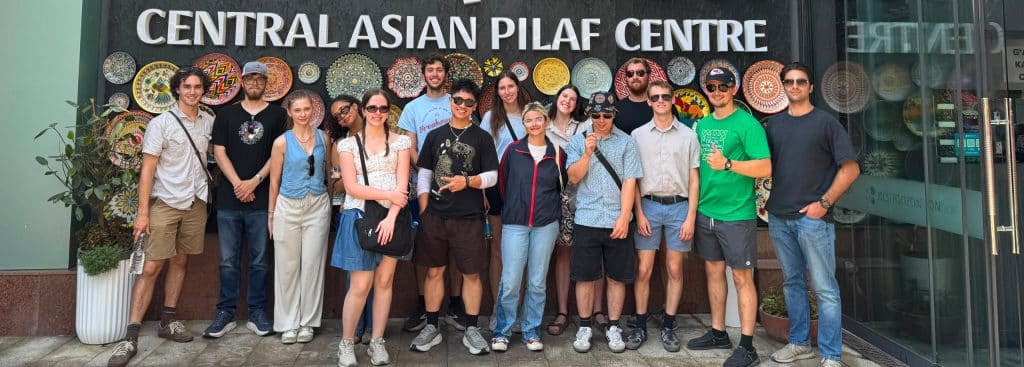
Students try traditional plov while in Central Asia.

Faculty-led programs with SRAS begin with the academic goals of the faculty member. Programs can focus deeply on a single location or connect multiple destinations, combining classroom learning with site visits, discussions with local experts, cultural engagement, and other field-based experiences.

Across the Eurasian Corridor, faculty can explore historical, political, cultural, linguistic, economic, and environmental questions within their regional context. SRAS brings the local relationships and regional expertise needed to connect academic goals with the people, places, and institutions that can bring those questions into focus.

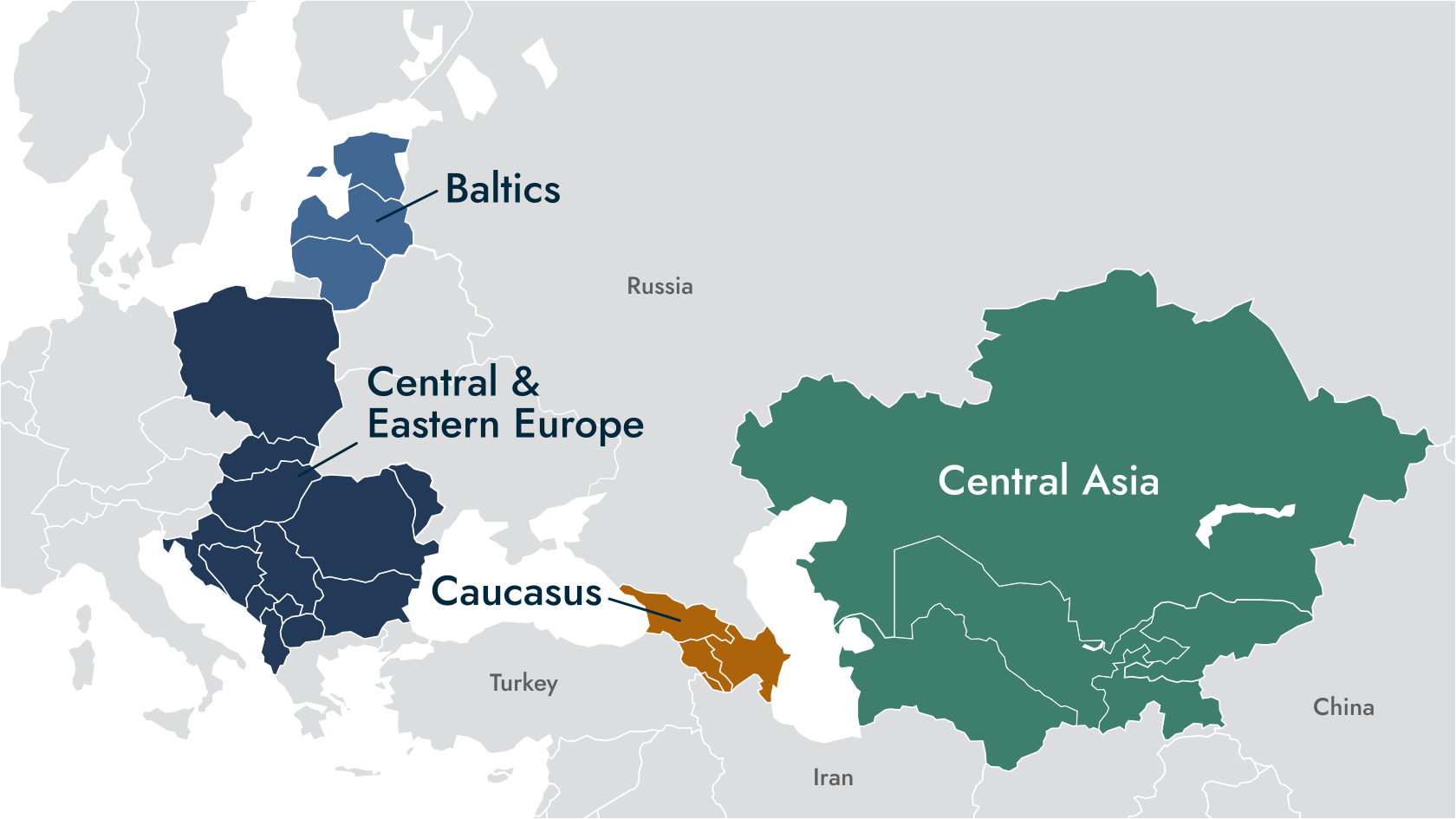
Eurasian Corridor map showing the Baltics, Central & Eastern Europe, the Caucasus, and Central Asia highlighted.

Academic Themes

Academic goals shape every faculty-led program. The Eurasian Corridor supports a wide range of disciplines and teaching approaches, providing opportunities to explore questions that connect place, culture, history, language, politics, and society. Whether focusing on a single country or drawing comparisons across the region, these themes offer starting points for program development.

  • Language & Identity

    Combine language study with cultural engagement while exploring how language intersects with identity, community, history, and social change. Programs can incorporate formal instruction alongside opportunities to use language in everyday and academic settings.

  • International Relations & Security

    Explore geopolitics, diplomacy, regional security, information environments, energy, and international cooperation while connecting academic study with contemporary policy questions and perspectives from across the region.

  • History & Memory

    The Eurasian Corridor offers exceptional opportunities to examine how historical narratives continue to shape politics, identity, and international relations. Programs may explore empire, nationalism, conflict, memorialization, and the role of history in public discourse, media, and competing interpretations of the past.

  • Culture & Society

    Explore how communities experience social, cultural, and economic change in everyday life. Programs may examine migration, religion, urban life, media, food, the arts, and local traditions while engaging directly with diverse perspectives across the region.

  • Environment & Sustainability

    Examine relationships among communities, natural resources, and economic development through topics such as water management, energy, climate, conservation, agriculture, and tourism. Regional case studies can connect environmental questions with policy, livelihoods, and cross-border relationships.

  • Politics & Public Life

    Examine how governments, media, and civil society shape public life across diverse political and cultural contexts. Programs may explore public policy, civic engagement, journalism, information environments, elections, social movements, and the relationship between citizens and institutions.

Program Design

Every faculty-led program reflects the interests and teaching style of the faculty member leading it. SRAS provides the local expertise, planning support, and on-the-ground coordination needed to transform academic goals into meaningful study abroad experiences.

Academic Collaboration

We work with faculty to translate course objectives and learning outcomes into site visits, discussions, activities, and other experiences that support the academic goals of the program.

Program Structure

Programs can range from focused study in one location to multi-country itineraries, combining faculty instruction with local experts, field-based learning, language study, or other academic components.

Local Expertise

Our regional staff and partners connect programs with institutions, specialists, communities, and sites relevant to the course while coordinating the logistics and support needed on the ground.

Depending on the program, SRAS can coordinate housing, transportation, academic visits, local experts, cultural activities, excursions, classroom space, and on-the-ground student support.

Program Design Models

Faculty-led programs can take many forms. Some focus on a single destination or discipline, while others compare multiple locations or combine language study with broader academic themes. Explore several models that illustrate how faculty-led programs can be structured across the Eurasian Corridor.

Nikortsminda Cathedral Georgia Faculty led programs Hobart and William Smith Colleges.
Students in faculty-led program at Nikortsminda Cathedral in Racha, Georgia

Let's Build Your Program

Whether you’re adapting an existing course or developing a new program, we can help identify destinations, academic resources, and program structures that support your goals. Start with an idea, a syllabus, or simply a conversation.

Students dancing in Latvia.