Study International Relations & Security

Geopolitics, regional systems, and field-based learning across the Eurasian Corridor

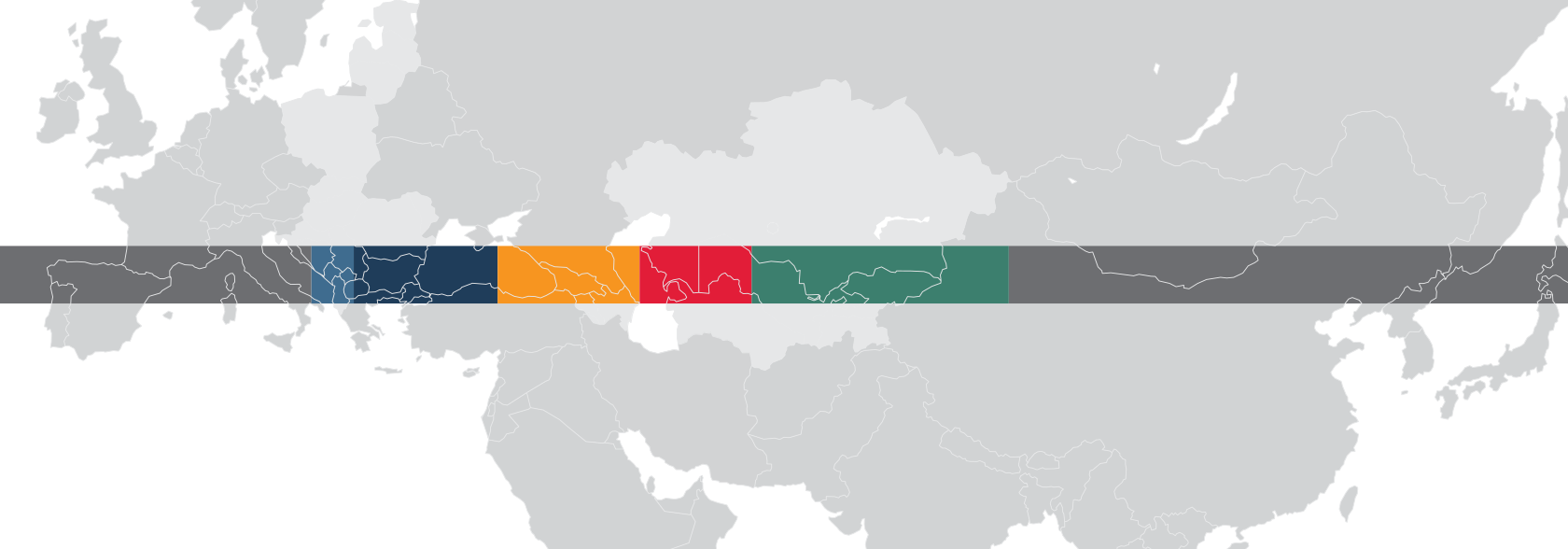
Eurasian Corridor Map

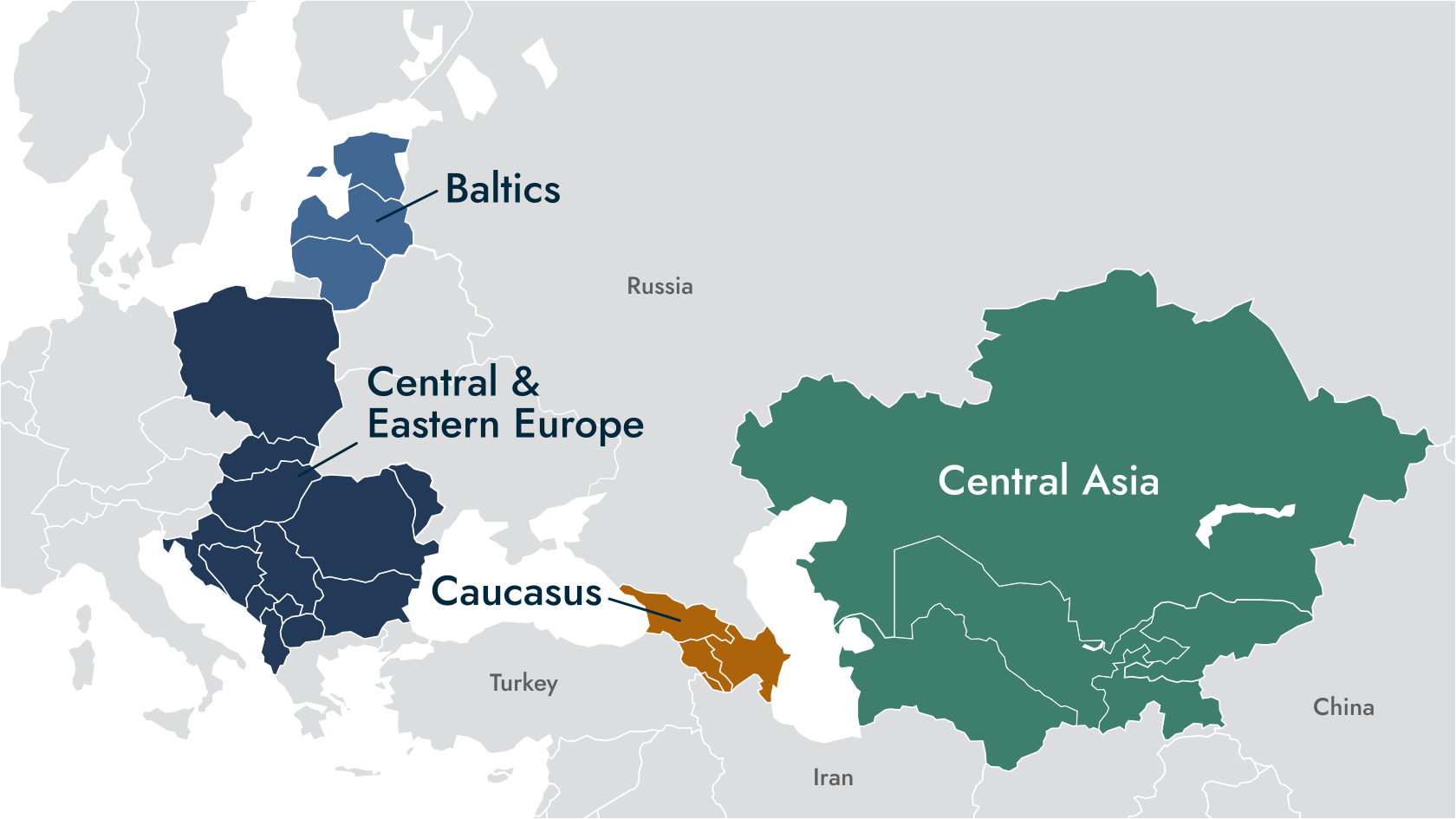
Across the Eurasian Corridor, global security dynamics take shape within distinct regional environments. From the Baltics and Central & Eastern Europe to the Caucasus and Central Asia, students encounter multiple geopolitical systems where institutions, information, and power intersect.

Eurasian Corridor map showing the Baltics, Central & Eastern Europe, the Caucasus, and Central Asia highlighted.

On this page:

The Eurasian Security Corridor

The Eurasian Security Corridor links a series of interconnected regions where contemporary security challenges unfold in different but related ways. Across this geography, students encounter how global dynamics—alliances, information competition, regional conflict, sanctions, and great-power relations—are shaped by local political systems and historical experience.

SRAS programs use field-based learning and regional travel to examine how international politics operates in practice across different countries and contexts.

Download PDF: The Eurasian Security Corridor

The Baltics — The Information Environment

The Baltic region offers a unique vantage point for examining how security operates within the information environment. As members of NATO and the European Union, Estonia, Latvia, and Lithuania sit at the intersection of democratic resilience, digital innovation, and persistent information competition.

Here, questions of media ecosystems, narrative formation, and digital governance are central to security. Students explore how societies respond to disinformation, how language and identity shape public discourse, and how emerging technologies influence political communication.

Central & Eastern Europe — Security Architecture

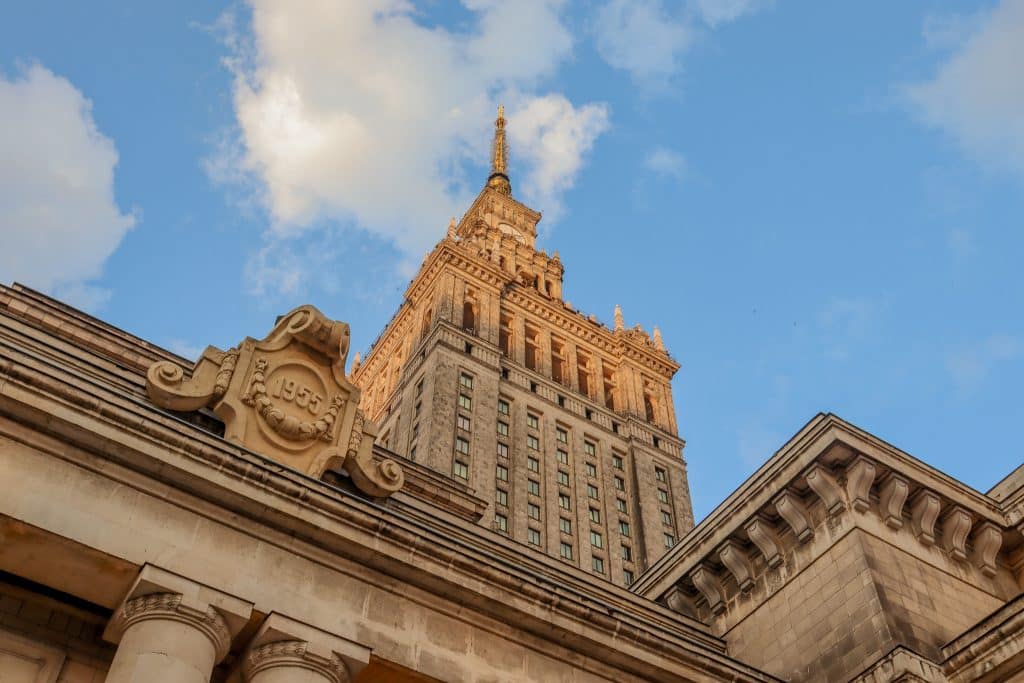
Central & Eastern Europe occupies a critical position in Europe’s evolving security landscape, shaped by NATO and EU membership, proximity to the war in Ukraine, and the region’s complex historical relationships with Russia and its neighbors.

SRAS security programs in the region are currently based in Warsaw, where students examine how governments and multilateral institutions respond to evolving threats, including hybrid warfare, technological change, and shifting geopolitical alignments. Poland’s position on NATO’s eastern flank provides a particularly important vantage point for understanding how regional security policy is shaped and implemented.

The Caucasus — A Geopolitical Crossroads

The South Caucasus is a region where regional powers and smaller states interact within a complex and evolving geopolitical landscape. Situated between the Black and Caspian Seas, it connects Europe, the Middle East, and Central Asia.

Russia, Turkey, and Iran all play significant roles in shaping regional dynamics, while Armenia, Azerbaijan, and Georgia pursue their own strategies. Unresolved conflicts, emerging transport routes, and shifting alignments illustrate how geopolitics unfolds where multiple interests intersect.

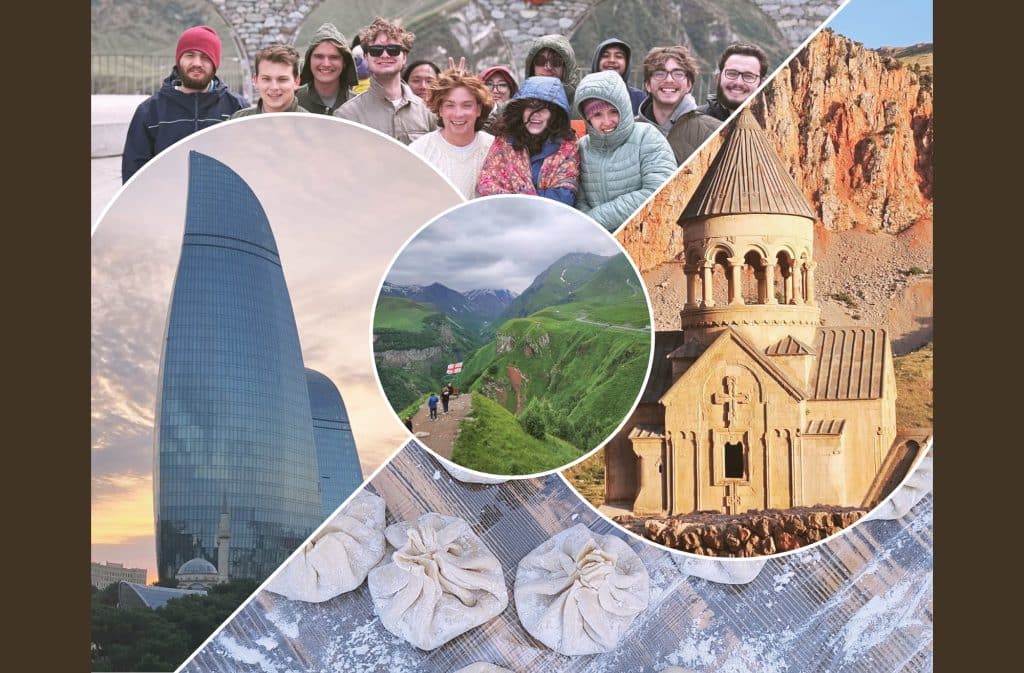
SRAS programs based in Georgia can incorporate travel to Azerbaijan and Armenia, allowing students to engage with multiple national perspectives and examine how neighboring states respond to shared regional challenges.

Central Asia — Strategic Balancing Between Major Powers

Central Asia sits between major global and regional powers, where governments pursue strategies of engagement with multiple partners while maintaining their own autonomy.

Since the end of the Soviet Union, states in the region have navigated relationships with Russia, China, the United States, and others, shaping a dynamic environment of economic cooperation, political negotiation, and strategic balancing.

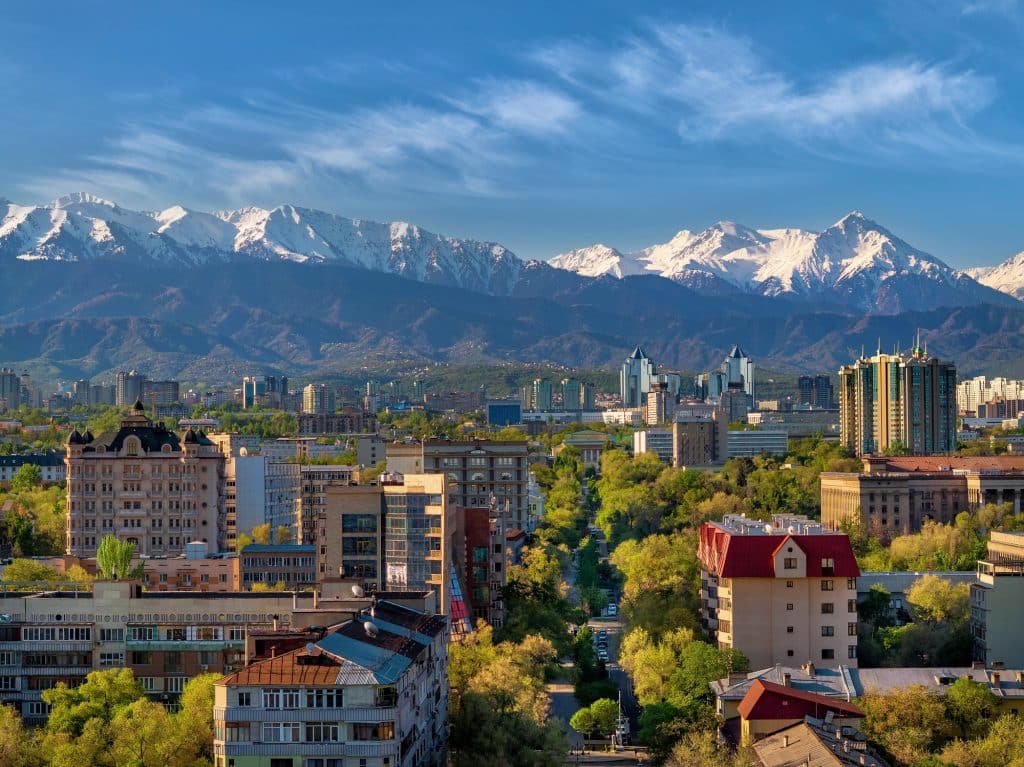
Bishkek serves as SRAS’s primary study base in Central Asia, with academic travel to Kazakhstan and Uzbekistan providing opportunities to examine how neighboring states respond to shared geopolitical pressures and opportunities.

Language and Regional Expertise

SRAS programs are open to students from a wide range of academic backgrounds and can be combined with optional language study. Students may choose to integrate language learning into their experience or focus on regional and thematic coursework, depending on their goals.

Language study provides an additional way to engage with regional media, public discourse, and cultural perspectives. Depending on the program and location, students can combine international relations and security coursework with language study at a range of levels.

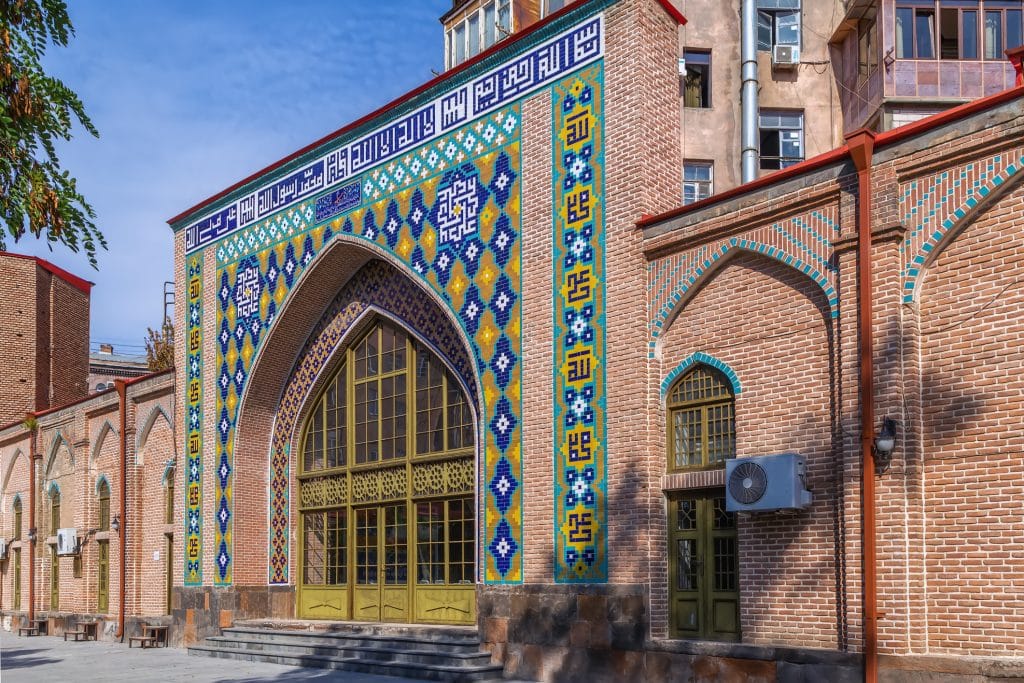
Close-up of hands drawing beautiful Persian letters.
Persian can be studied in Armenia.

Why Study Security Abroad?

Security looks different when studied in the places where its consequences are debated, experienced, and addressed. Field-based study allows students to connect academic frameworks with institutions, historical sites, regional specialists, and contemporary debates, developing a more nuanced understanding of how international relations operate in practice.

View of statue holding up 3 stars with city at sunset in background.
Latvia offers opportunties to study how language and media affect security concerns.

Explore Programs Across the Corridor

See how different locations offer distinct perspectives on international relations and security.

Students receiving instruction while visiting Azerbaijan.