Estonia, Latvia, and Lithuania share important historical experiences, including periods of Russian imperial and Soviet rule and the restoration of independence in the twentieth century. Each also has its own language, cultural traditions, historical relationships, and national experience.
Today, all three countries are members of the European Union and NATO, but their histories and societies have led to different approaches to language, citizenship, identity, and relationships with surrounding regions. Estonia and Latvia have substantial Russian-speaking populations, while Lithuania’s historical and cultural relationships extend strongly toward Poland and Central & Eastern Europe. Estonia also maintains particularly close linguistic and cultural ties with Finland and the Nordic region. These differences exist alongside shared concerns surrounding security, historical memory, and relationships with Russia and Belarus.
Together, these shared experiences and different national approaches provide multiple perspectives on how language, identity, security, historical memory, and the information environment continue to shape the region.
The Baltics in the Eurasian Corridor
Within the Eurasian Corridor, the Baltic states occupy the northeastern edge of the European Union and NATO while maintaining close connections with the Nordic and wider Baltic Sea regions. Their geography and history mean that questions of regional security, energy, infrastructure, information, and resilience are also closely tied to relationships with Russia and Belarus.
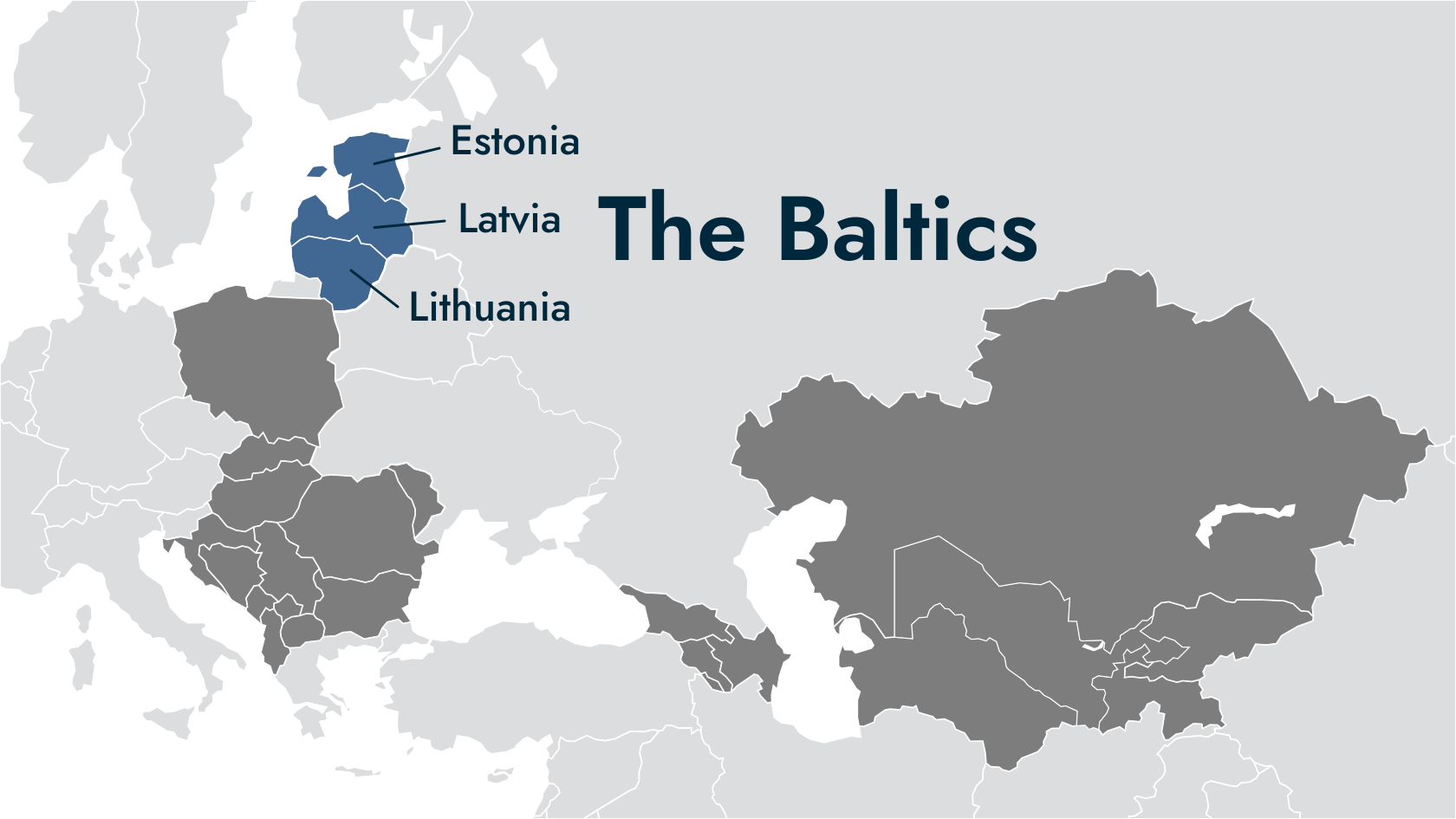
The region’s ports, transportation networks, and energy systems also reflect its changing orientation within Europe. Infrastructure once closely integrated with Russia and the wider Soviet space has increasingly been redirected toward European and Nordic networks, while new energy and transportation links continue to reshape the region’s economic and strategic geography.
Countries of the Baltics
Latvia
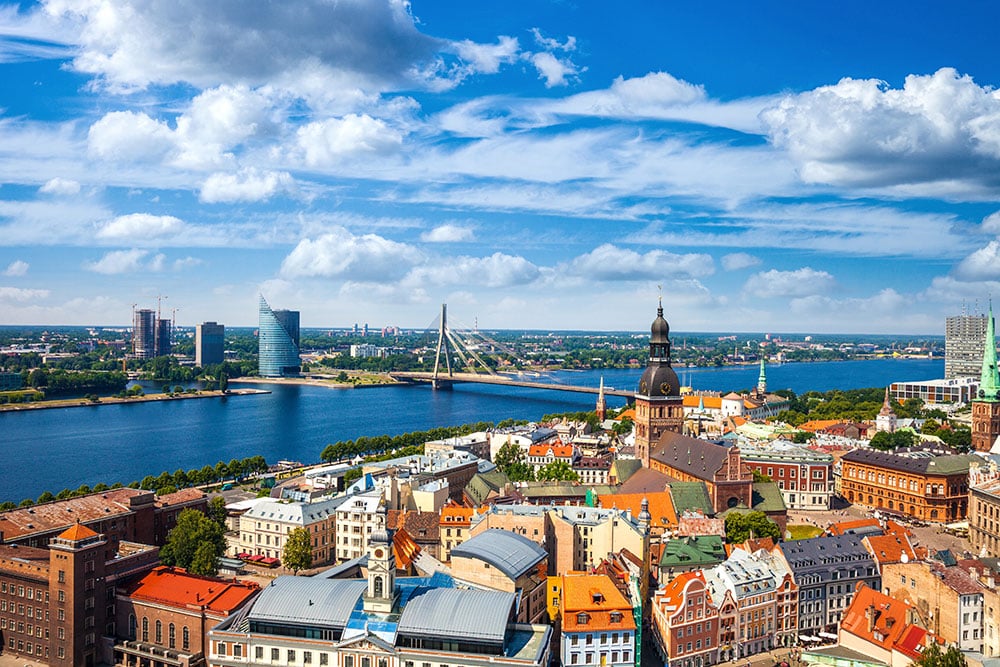
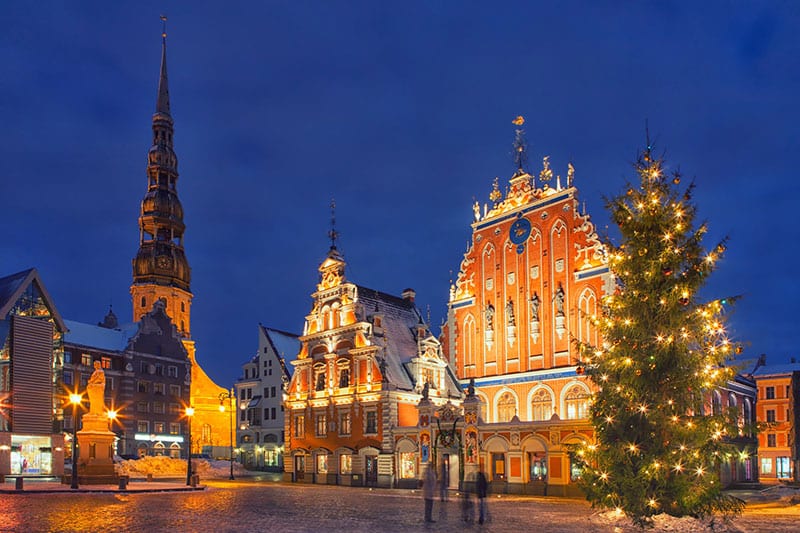
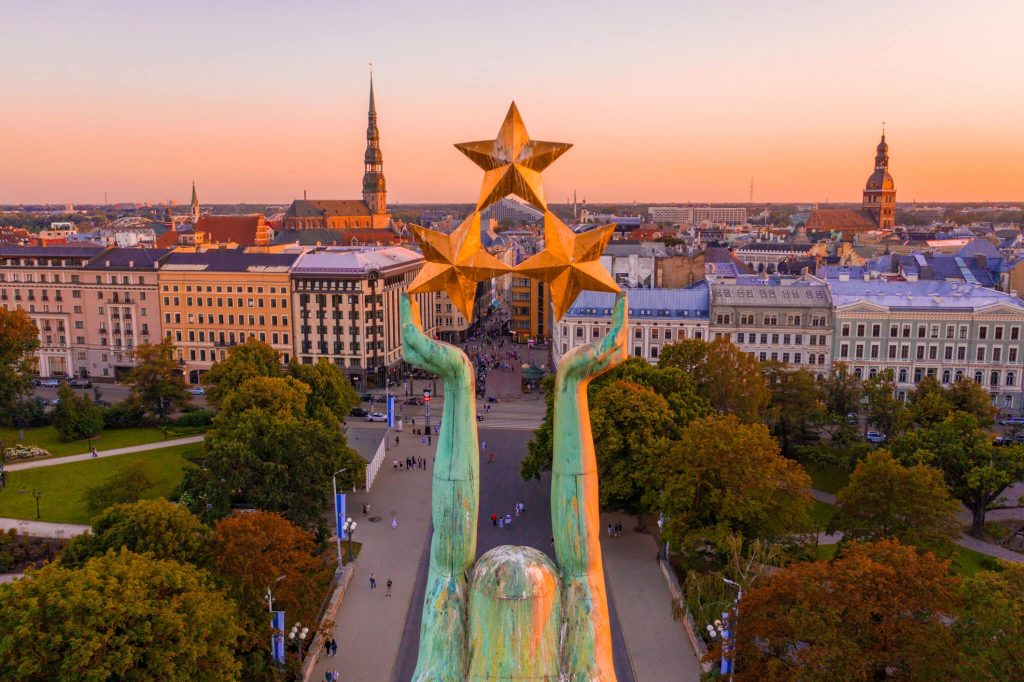
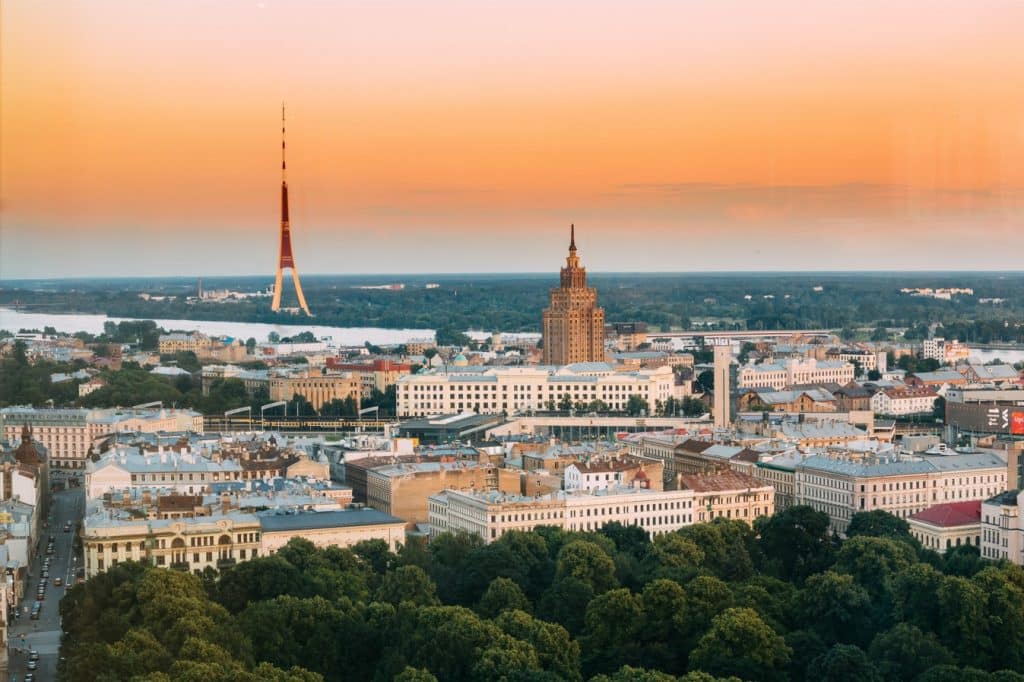
Home to SRAS’s primary study location in the Baltics, Latvia brings questions of language, identity, media, society, and regional security into particularly close relationship.
Lithuania
Explore historical memory, national identity, and Lithuania’s role in regional security and European affairs.
Estonia
Examine digital society, innovation, cybersecurity, and the ways technology intersects with governance, education, and everyday life.
Learning Across the Region
The Baltics bring questions of language, identity, security, history, media, and technology into close relationship, while each country provides a different perspective on the region’s shared challenges and historical experiences.
Language
Explore how language shapes identity, education, citizenship, and public life while gaining insight into the multilingual communities and linguistic diversity found across the Baltic region.
International Relations & Security
Examine regional security, NATO, and the information environments that increasingly shape politics, society, and international relations across northeastern Europe.
Identity & Society
Explore language policy, historical memory, migration, citizenship, and the ways identity continues to shape contemporary Baltic societies.
History & Culture
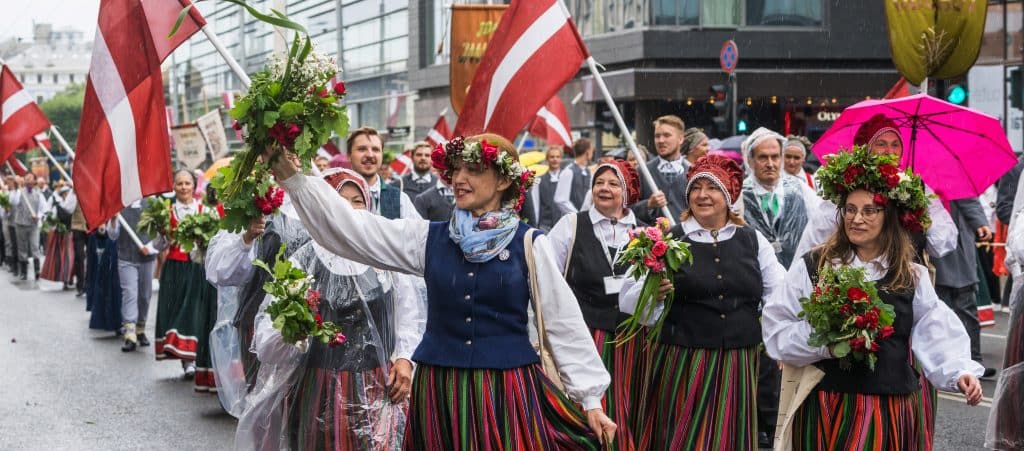
Explore how historical memory, architecture, literature, and enduring traditions – including the region’s rich folk and song heritage – continue to shape Baltic identity today.
Programs in The Baltics

Riga: Russian as a Second Language
Study Russian in Riga, where a multilingual environment shaped by history and policy offers insight into language and identity.
Winter Break Riga: Russian Language Intensive
Spend winter break in Riga with intensive Russian language study, homestay immersion, and cultural experiences across the city.
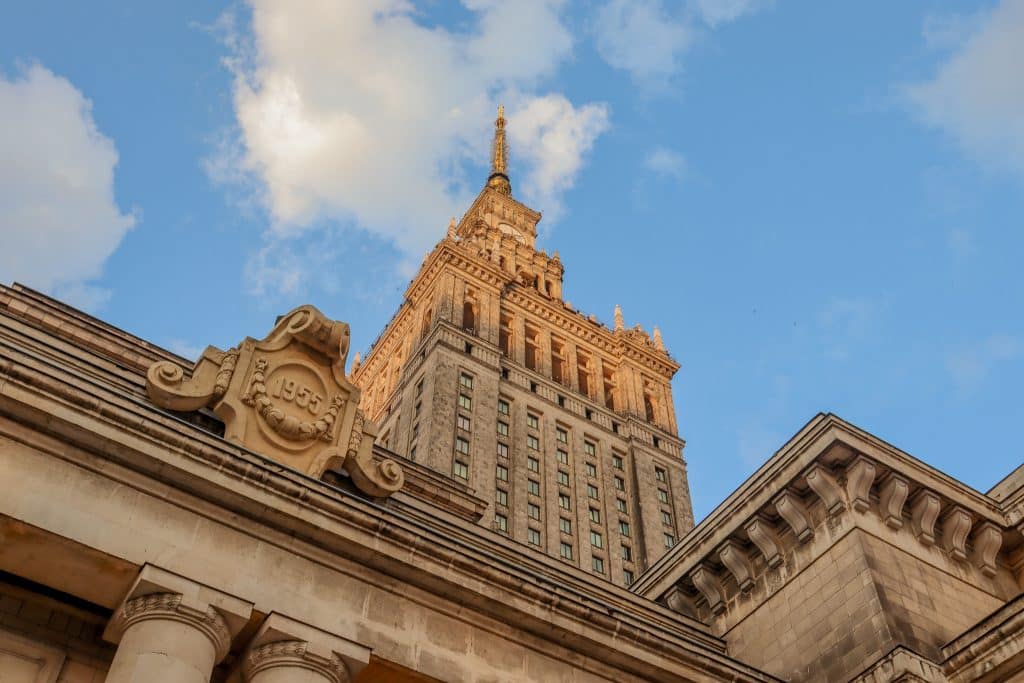
Warsaw: Security & Diplomacy–CEE Perspectives
Study security and diplomacy in Warsaw after intensive Polish in Warsaw or Russian in Riga.
Media Literacy in the Baltics: Identity, AI, and Security
Explore media, identity, AI, and security in Latvia through an intensive, field-based certificate program.

Spring Break Riga: Russian Language Immersion
Build your Russian language skills while exploring the languages, cultures, and communities of Latvia.
Latvia for Youth: Language, Community Engagement & Culture
High school program blending intensive Russian language study, service learning, and cultural programming.

Riga: Baltic Security and the Information Environment
Examine information warfare, media systems, and digital governance on NATO’s frontier while developing Russian language skills in the Baltic region.