Located between Romania and Ukraine, Moldova has been shaped by overlapping Romanian, Russian, Soviet, Ukrainian, and other regional influences. Romanian is the country’s official language, while Russian remains widely used, particularly in urban areas and among several minority communities. This multilingual environment makes questions of language, identity, history, and cultural affiliation especially visible in everyday life.
Moldova’s contemporary development reflects these historical layers. Migration, demographic change, relationships with neighboring Romania and Ukraine, European integration, and the continuing presence of Transnistria all influence political and social life, while distinct communities including Gagauz, Ukrainians, Russians, Bulgarians, and others contribute to the country’s cultural diversity.
For students of Russian, Moldova offers the opportunity to develop language skills while encountering Russian in a multilingual environment very different from other places where the language is spoken. Short-term study in Chișinău combines formal instruction with direct exposure to the ways language, identity, and historical experience intersect in contemporary Moldova.
Moldova in Central & Eastern Europe
Moldova occupies a distinctive position within Central & Eastern Europe. Its language and historical connections tie it closely to Romania, while decades within the Russian Empire and Soviet Union have left enduring cultural, linguistic, economic, and political relationships extending eastward. Its border with Ukraine and the unresolved status of Transnistria add further dimensions to questions of identity, security, and regional relationships.
At the same time, Moldova’s growing integration with the European Union is reshaping its political and economic orientation. These overlapping relationships make the country particularly useful for understanding how language, historical memory, migration, and competing regional connections continue to influence societies along Europe’s eastern edge.
Study in Chișinău
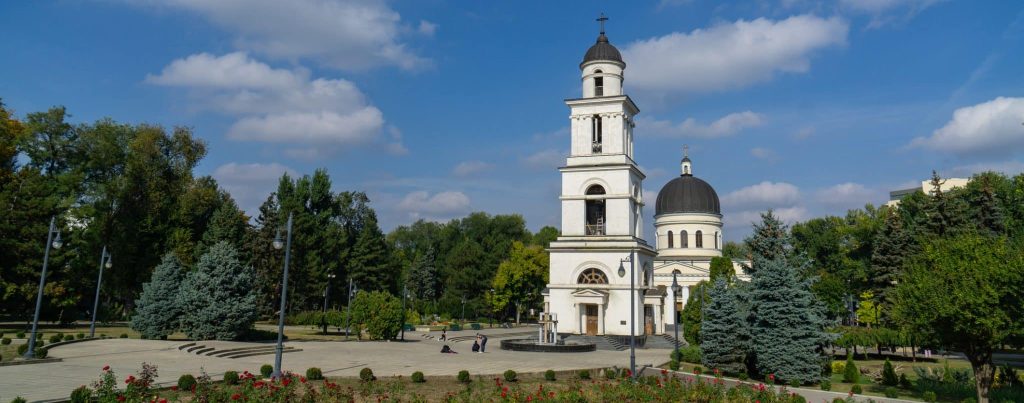
Chișinău serves as the base for SRAS study in Moldova. The capital brings together Romanian- and Russian-speaking communities, universities, museums, markets, cultural institutions, and public spaces within a relatively compact and accessible city.
For language students, everyday interactions provide opportunities to encounter Russian alongside Romanian and other languages, while the city offers a practical base for exploring Moldova’s history, culture, and diverse communities beyond the classroom.

Explore Moldova
Explore destinations beyond Chișinău that highlight different dimensions of Moldova’s history, culture, landscape, and contemporary society.

Transnistria
This breakaway region along the Dniester retains strong Russian and Soviet influences. Tiraspol and surrounding communities offer perspectives on language, historical memory, unresolved conflict, regional security, and Moldova’s complex relationships with Russia and Ukraine.

Gagauzia
This autonomous region in southern Moldova is home to the Gagauz, a Turkic-speaking, predominantly Orthodox community. Its language, traditions, political autonomy, and regional relationships offer perspectives on minority identity and Moldova’s cultural diversity.

Moldova’s Wine Country
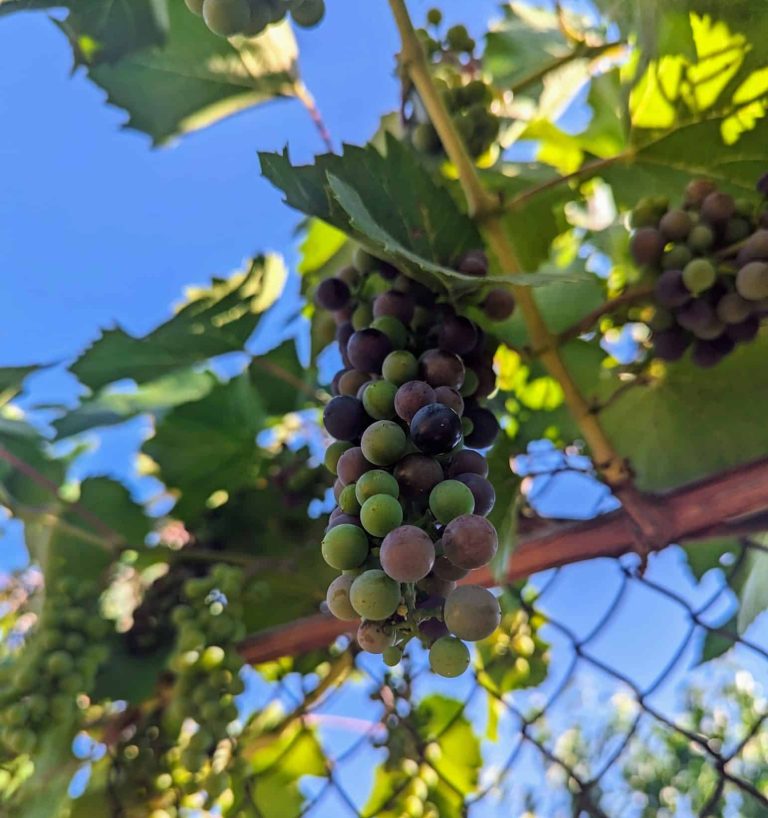
Wine is deeply rooted in Moldova’s agriculture, economy, and cultural traditions. Vineyards, family producers, and extensive underground cellars offer perspectives on rural life, local identity, hospitality, and the revival of the country’s wine industry.



Programs in Moldova

Chișinău: Russian as a Second Language
Study Russian in Chișinău through intensive language instruction, a Russian-speaking homestay, and engagement with Moldova’s multilingual society.
Winter Break Chișinău: Russian Language Intensive
Spend winter break in Chișinău with intensive Russian language study, homestay immersion, and cultural experiences across Moldova.