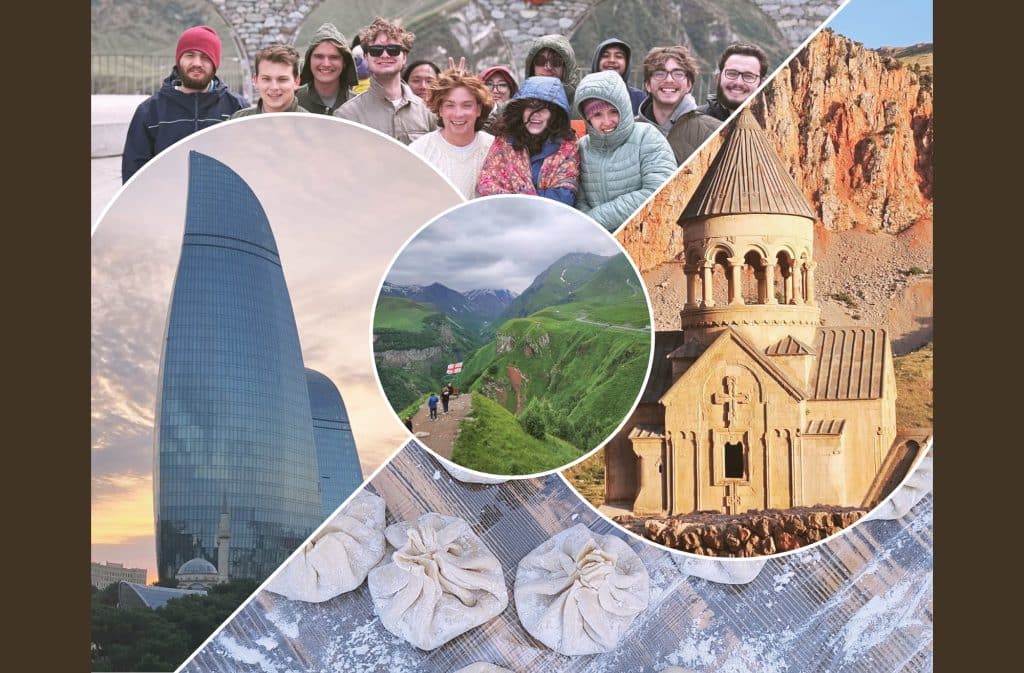
Located between the Black and Caspian Seas, the Caucasus has long been a crossroads of empires, trade routes, languages, religions, and cultures. Today, its position between Europe, Russia, Turkey, Iran, and Central Asia continues to shape questions of identity, security, economic development, and international relations.
Within a relatively small geographic area, Georgia, Armenia, and Azerbaijan reflect extraordinary linguistic, religious, cultural, and geographic diversity. The three countries share centuries of interconnected history while differing significantly in language, religion, political orientation, economic development, and relationships with neighboring powers.
These contrasts make the Caucasus particularly valuable for students interested in language, international relations, history, political science, anthropology, identity, and cultural studies. Studying in the region provides direct exposure to societies navigating questions of historical memory, cultural continuity, conflict, migration, and political and economic change.
The Caucasus in the Eurasian Corridor
Within the Eurasian Corridor, the Caucasus occupies a crossroads between the Black and Caspian Seas and between Russia, Turkey, Iran, and the wider Middle East. Trade routes, migration, empires, and cultural exchange have moved through this space for centuries; today, transportation networks, energy routes, and competing regional interests continue to reinforce its strategic importance.
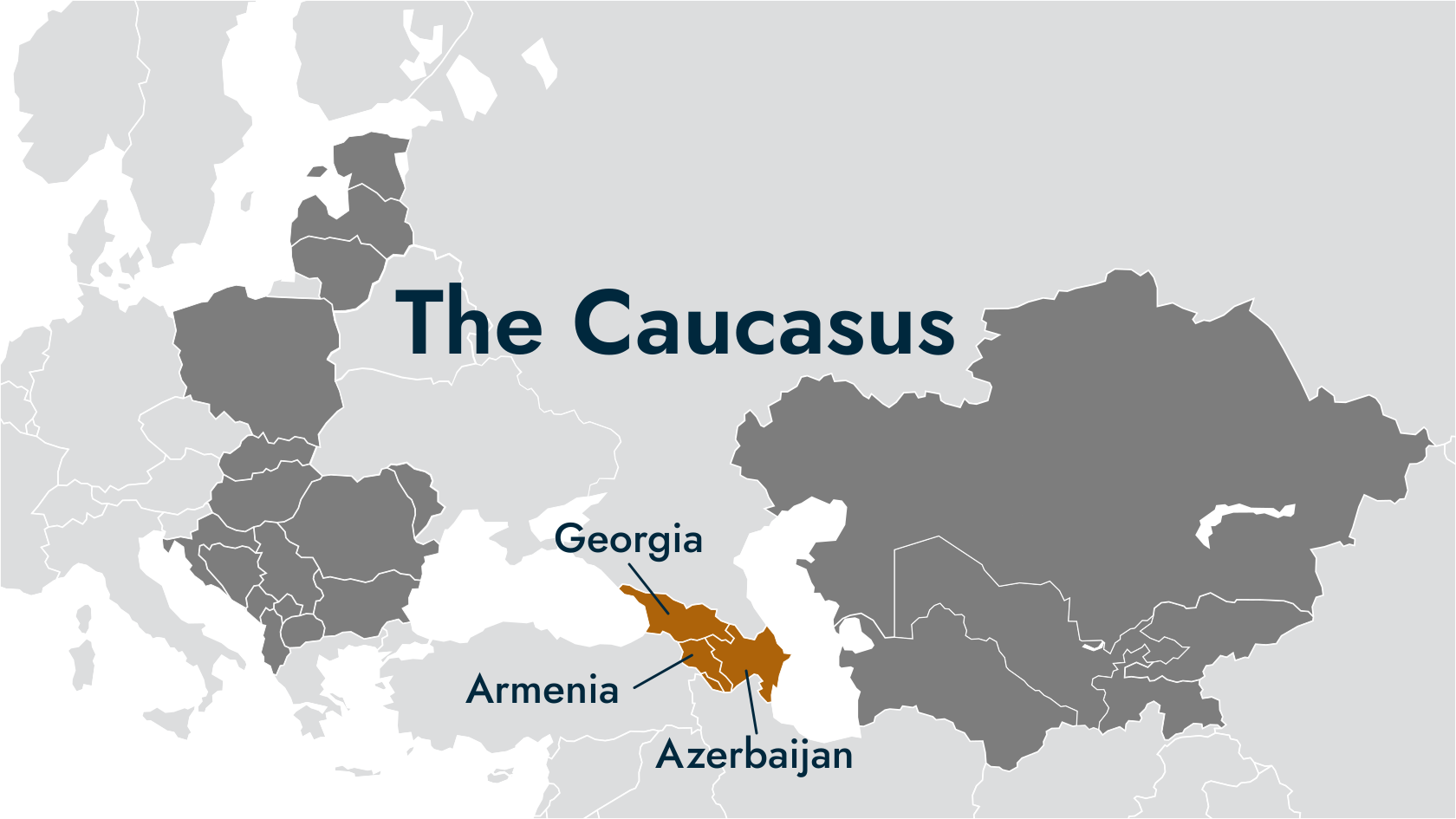
Georgia, Armenia, and Azerbaijan navigate this geography in very different ways. Their relationships with neighboring powers and international institutions provide contrasting perspectives on security, economic development, regional cooperation, and foreign policy, while their location makes the Caucasus an important link between Europe and Central Asia.
Countries of the Caucasus
Georgia
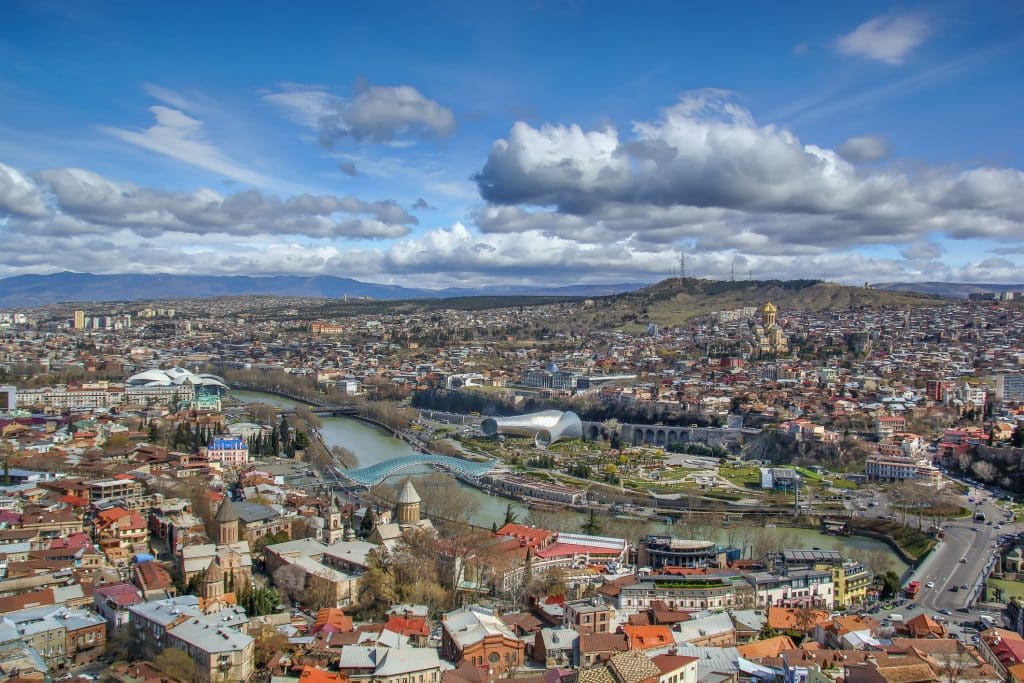
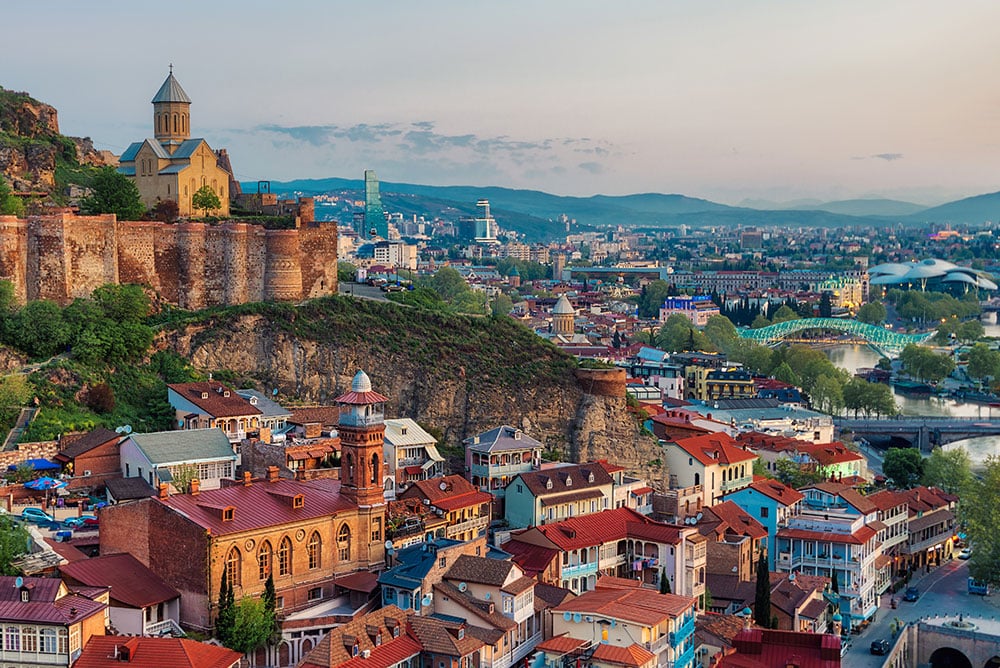
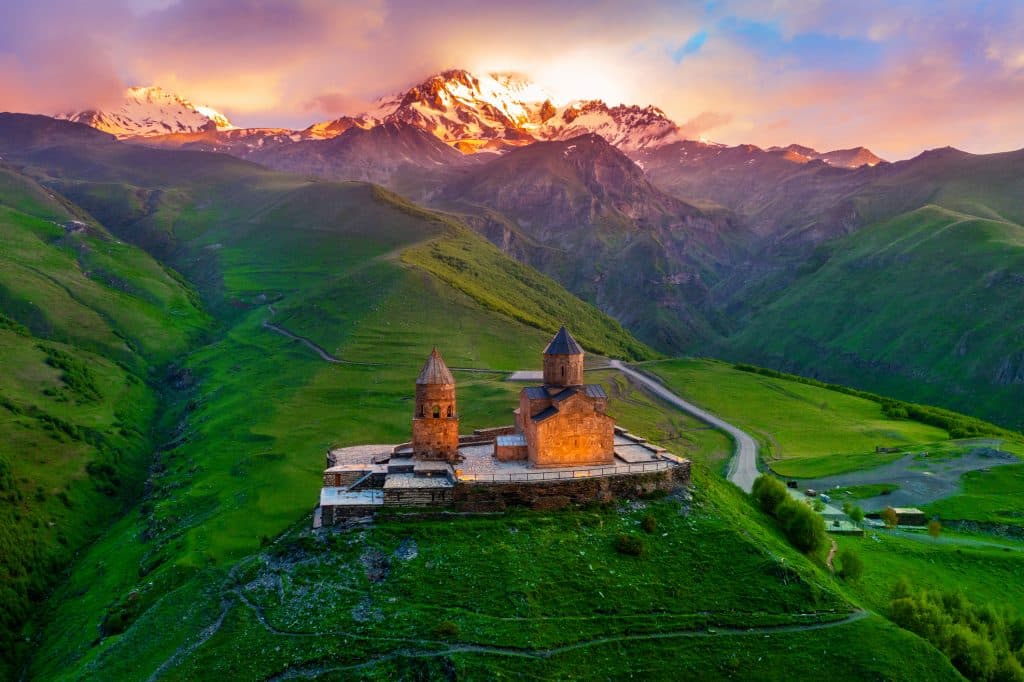
SRAS’ primary study base in the Caucasus, Georgia brings questions of language, identity, history, civil society, and regional security into focus within one of the region’s most culturally and geographically diverse countries.
Armenia
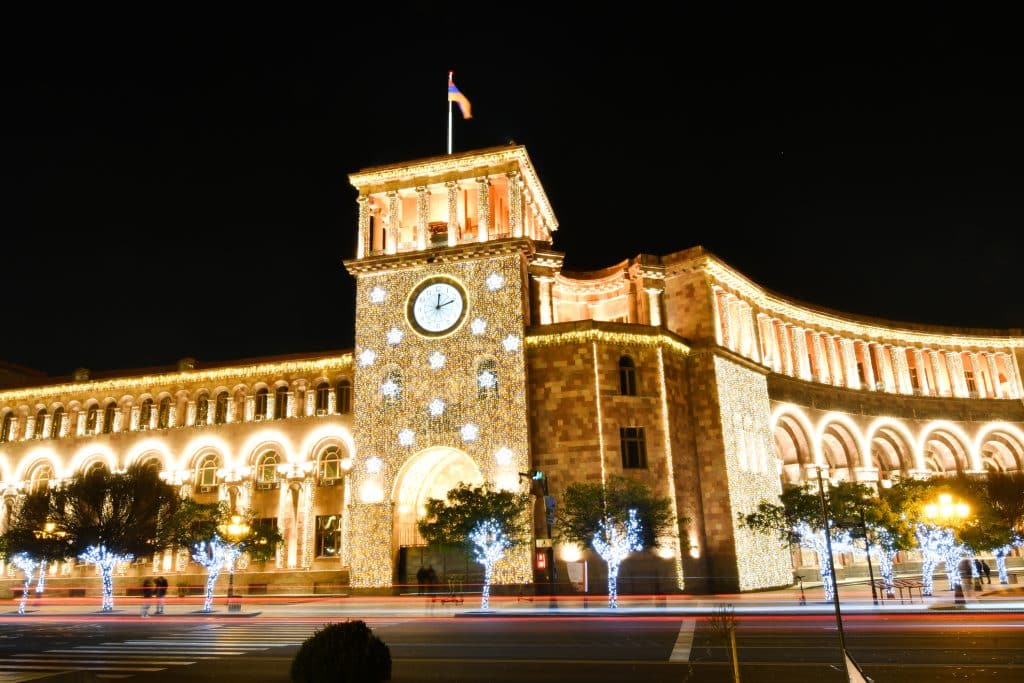
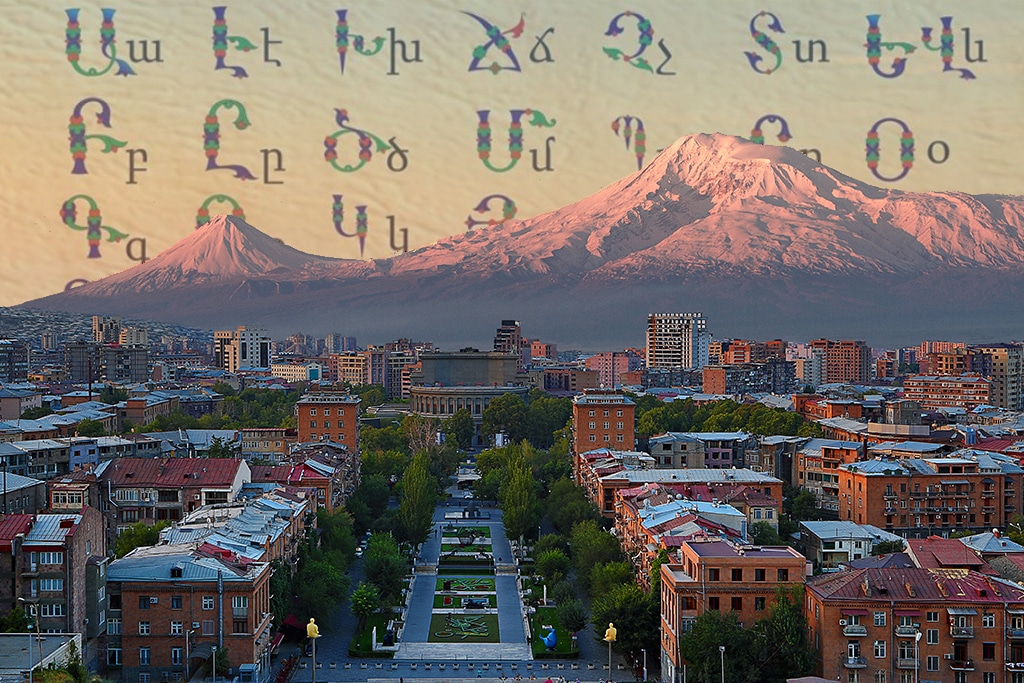
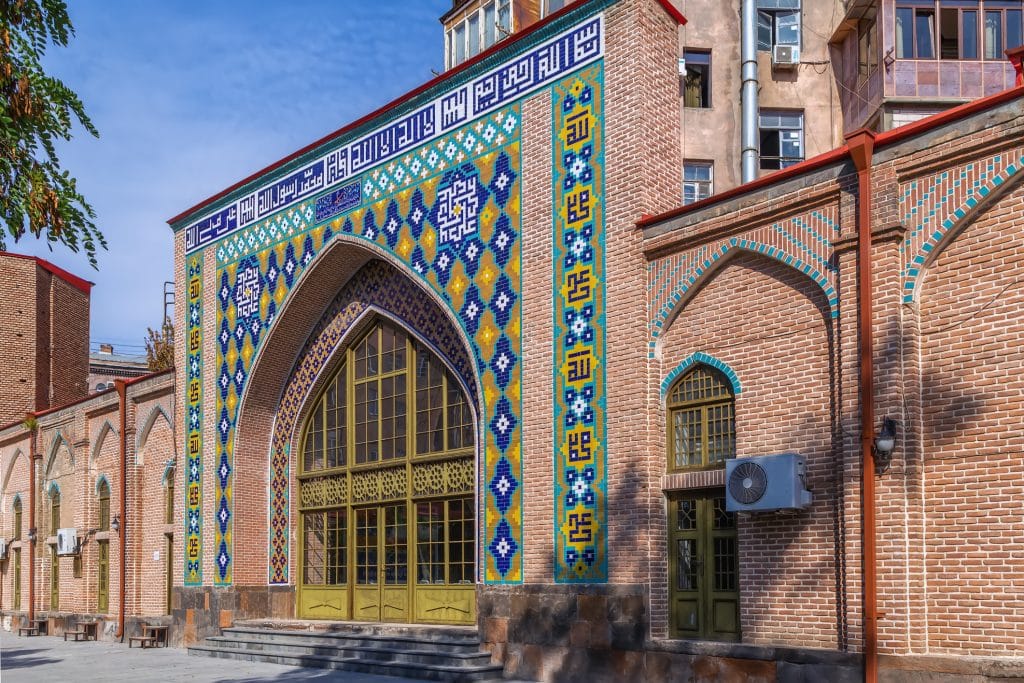
Explore history, identity, cultural continuity, and regional diplomacy while examining Armenia’s relationships with neighboring states and its position within the wider South Caucasus.
Azerbaijan
Examine how energy resources, rapid economic development, cultural identity, and relationships with neighboring states have shaped Azerbaijan’s distinctive position within the South Caucasus.
Learning Across the Region
The Caucasus can be explored through multiple academic perspectives, with language, identity, history, culture, and international relations often intersecting in ways that deepen understanding of the region.
Language
Study Russian, Georgian, Armenian, or Persian while exploring how language reflects identity, history, and relationships among communities across the region.
International Relations & Security
Examine regional conflicts, diplomacy, energy, security, and the relationships among neighboring states and regional powers.
Identity & Society
Explore nationalism, religion, ethnicity, memory, migration, and cultural change.
History & Culture
Explore ancient cultural traditions, religious heritage, shifting borders, imperial legacies, and the ways historical memory continues to shape contemporary societies.
Programs in The Caucasus

International Studies: Professional Practice in Georgia
Professional Experience, Applied Skills, and Cultural Immersion
Winter Break Yerevan: Persian Language Intensive
Spend winter break in Yerevan with intensive Persian language study and a cultural program exploring Armenia, its connections with Iran, and the city during the holiday season.

Tbilisi: Identity and Conflict in the Caucasus
Study identity and conflict through regional travel, interdisciplinary courses, and language immersion across Georgia, Armenia, and Azerbaijan.

Tbilisi: Russian as a Second Language
Study Russian in Tbilisi, where it connects cultures, communities, and regional travel across the South Caucasus.

Crossroads: Geopolitics and Security in the Caucasus
Travel across Armenia, Azerbaijan, and Georgia while exploring geopolitics, conflict, and identity in one of Eurasia’s most strategic regions.
Yerevan: Armenian Language & Culture
Intensive Armenian language study in Yerevan, exploring identity, history, and culture through immersive, context-rich learning experiences.
Iran: Society, Power, and Regional Order
Examine Iran through lectures and regional context, exploring society, sanctions, and geopolitics at the crossroads of Eurasia.
Tbilisi: Georgian Language & Culture
Study Georgian in Tbilisi through immersive language training, cultural engagement, and exploration of identity in the Caucasus.
Yerevan: Persian Language
Study Persian in Yerevan while exploring Iranian society, culture, and regional connections through immersive, context-rich language learning.
Wine and History in Georgia: Identity, Tradition, and Taste
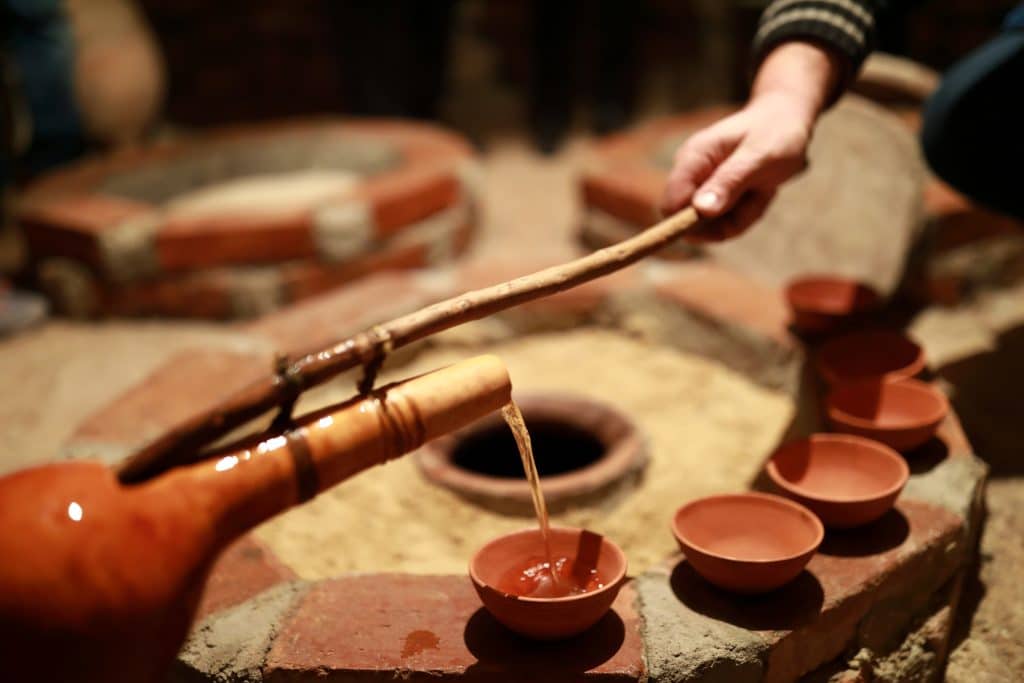
Learn the history, culture, and identity of Georgia through a study of its wine.