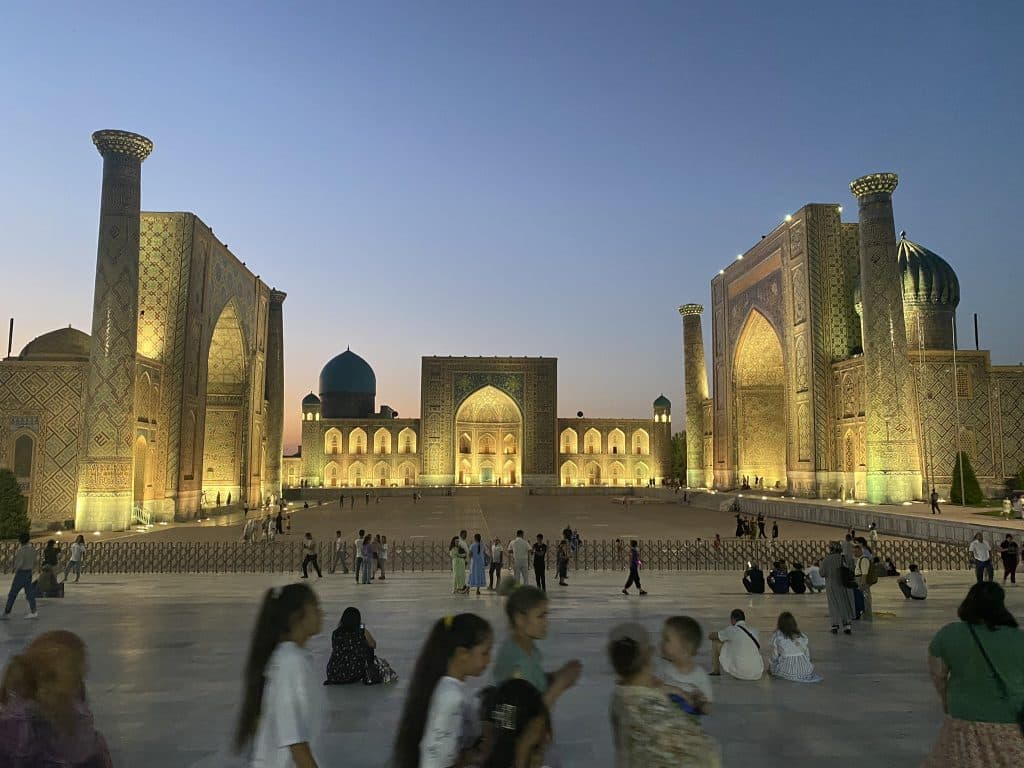
Kazakhstan occupies an outsized place in Central Asia. The world’s largest landlocked country, it is also the region’s largest economy and a major producer of oil, gas, uranium, and other natural resources. Its vast territory stretches from the Caspian Sea to the borders of China, placing it along important transportation, energy, and trade routes connecting Europe and Asia.
Nomadic traditions, Russian and Soviet legacies, and post-independence nation-building have all shaped contemporary Kazakhstan. Today, rapid urban development, economic diversification, environmental challenges, and questions of language and identity continue to transform the country, while relationships with Russia, China, neighboring Central Asian states, and other international partners shape its foreign policy.
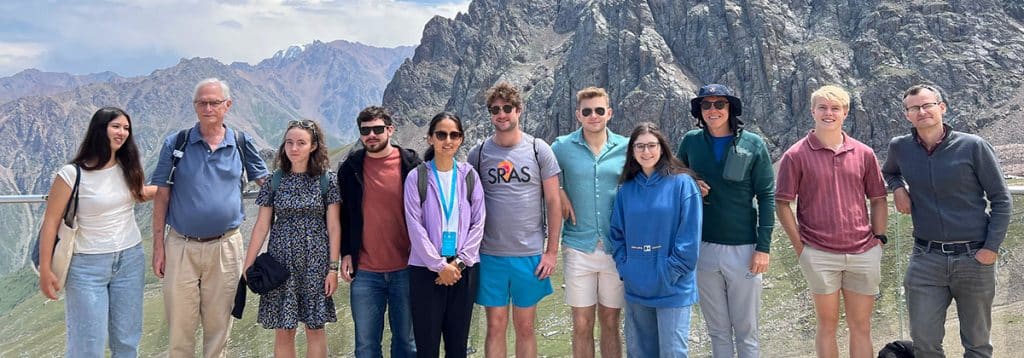
While SRAS programs are not currently based in Kazakhstan, some incorporate the country as a significant component of regional study. Academic travel allows students to experience Kazakhstan directly while comparing its cities, economy, society, and development with neighboring countries across Central Asia.
Kazakhstan in Central Asia
Kazakhstan’s size, resources, and geography give it a particularly important role within Central Asia. It shares long borders with both Russia and China, maintains close economic and political relationships with its Central Asian neighbors, and connects across the Caspian toward the Caucasus and Europe. Transportation corridors, pipelines, trade routes, and shared environmental systems reinforce these regional connections.
Kazakhstan has also pursued relationships with multiple international partners rather than orienting itself exclusively toward any single power. Its engagement with Russia, China, Europe, Turkey, the United States, and other partners provides an important example of the strategic balancing that characterizes foreign policy across much of Central Asia.
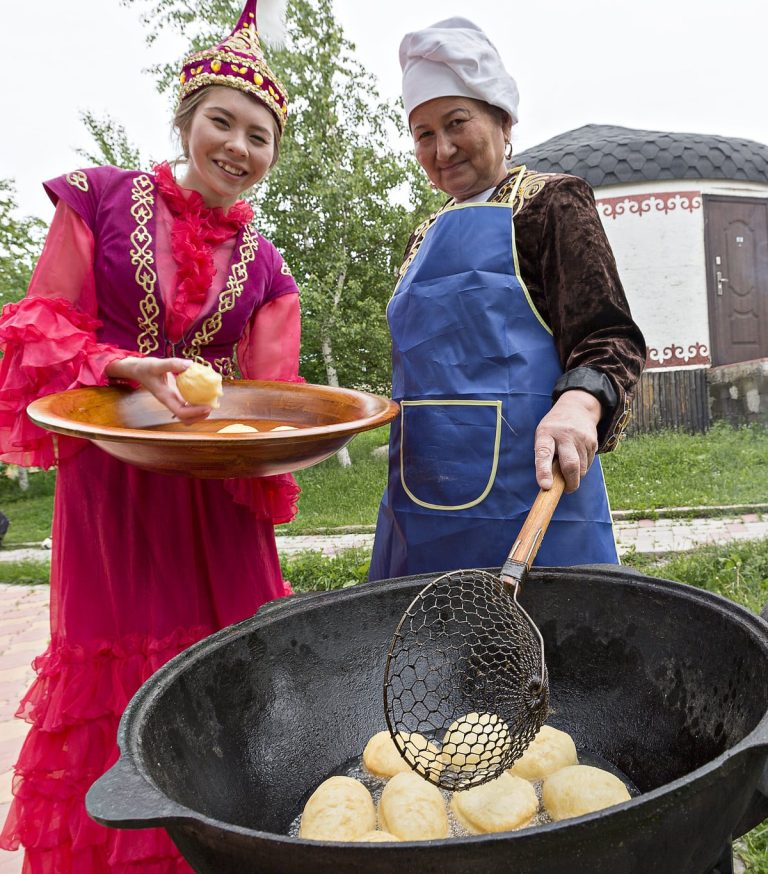
Explore Kazakhstan
These destinations highlight different dimensions of Kazakhstan’s history, culture, landscape, and contemporary society and can inform independent travel or future faculty-led programming.

Almaty
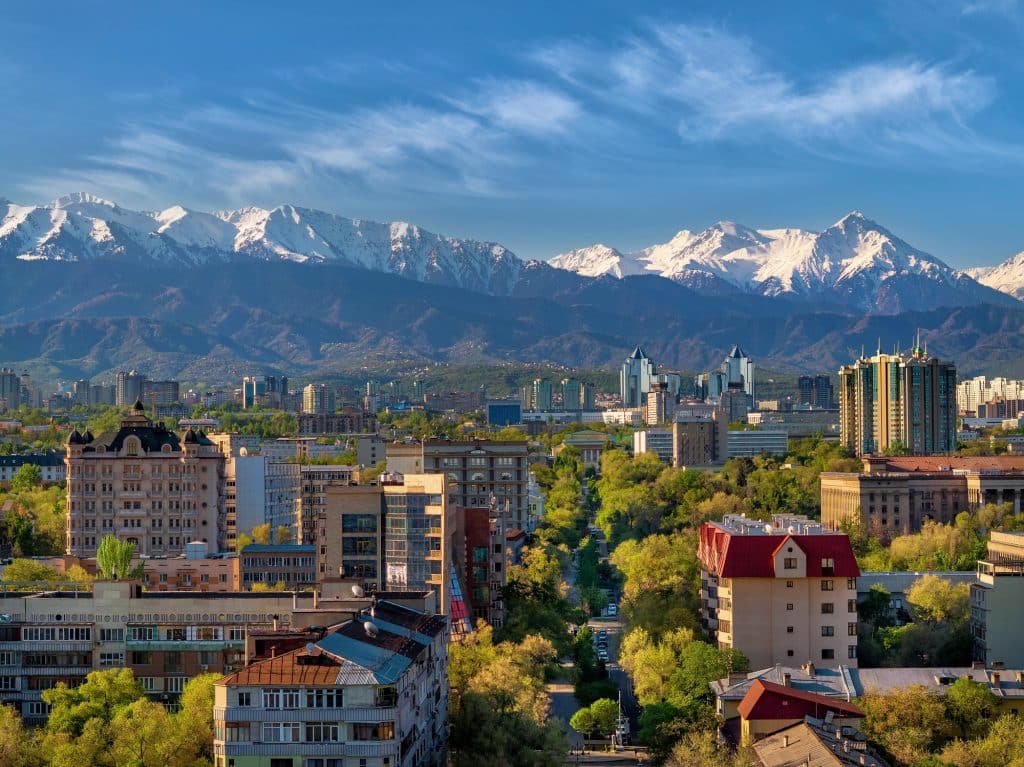
Kazakhstan’s largest city remains the country’s cultural and commercial center. Many SRAS programs include academic travel to Almaty, where students explore museums, public spaces, universities, and neighborhoods while examining questions of development, identity, and regional connectivity.

Astana
Kazakhstan’s capital reflects the country’s post-independence development and international ambitions. Its modern architecture, government institutions, and rapidly changing urban landscape illustrate Kazakhstan’s post-independence nation-building and growing international profile.
-
Turkistan
One of Kazakhstan’s oldest cities, Turkistan has long served as an important religious and cultural center in Central Asia. The Mausoleum of Khoja Ahmed Yasawi and the city’s Silk Road heritage provide insight into the region’s Islamic traditions, historical connections, and cultural development.


Programs in Kazakhstan
The following programs offer academic travel to Kazakhstan and/or partial placement in Kazakhstan as part of a multi-location program.

Central Asia: Connectivity, Power, and Regional Strategy
Explore connectivity, energy, and regional strategy across Central Asia through immersive, multi-country field study.
Programs that include Kazakhstan
Bishkek: Central Asian Studies
Travel through Central Asia while studying geopolitics, strategic balancing, and energy systems, and using Russian in real-world regional contexts.