Many students are ready to look beyond the familiar study abroad destinations of Western Europe. For advisors, the challenge is identifying locations with strong academic possibilities that also work for students with limited international experience.
Tbilisi offers that balance. Georgia’s multicultural capital provides a base for studying a country—and a wider region—shaped by its position between Europe and Asia. The city, dramatic mountain landscapes, and Georgia’s distinctive food culture also give the destination immediate appeal.
Tbilisi: A City at a Crossroads
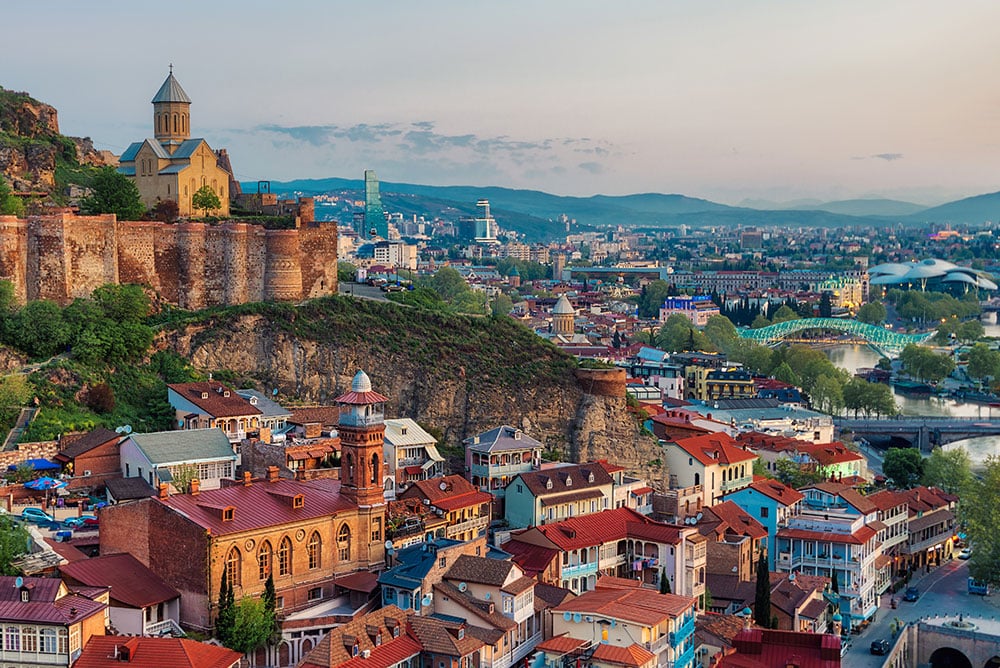
Georgia’s layered history is on display in Tbilisi. Georgian script fills storefronts and street signs; Orthodox churches stand near synagogues and mosques; traditional balconies overlook neighborhoods shaped by Persian, Russian, Soviet, and contemporary influences. The histories and cultural relationships of the Caucasus are reflected in the city itself.

Tbilisi has long been home to Georgian, Armenian, Azerbaijani, Russian, Jewish, and other communities. Its multicultural character gives students opportunities to observe how language, religion, migration, and identity intersect in everyday life.
Students can also navigate daily life in Tbilisi with relative ease. Its distinct neighborhoods allow students to establish familiar routines while public transportation and inexpensive taxis provide connections to explore further. SRAS provides orientation, local support, and guidance as students adjust to a different language environment and set of social conventions.
For advisors and families unfamiliar with the region, safety is naturally one of the first questions. Georgia is currently designated Level 1: Exercise Normal Precautions by the U.S. Department of State, its lowest general advisory level. The advisory excludes the Russian-occupied regions of Abkhazia and South Ossetia, where travel is not permitted on SRAS programs. Demonstrations also occur periodically in central Tbilisi. This means that local monitoring and clear guidance to students is important, but that Georgia remains one of the world’s safest travel destinations.
A Base for Studying the Caucasus
Georgia is a subject of study in its own right, but its location also makes it a valuable base for understanding the wider Caucasus. The country sits between Russia, Turkey, Armenia, Azerbaijan, and the Black Sea. Its security, trade, and political relationships extend across these borders, as do cultural and linguistic ties.
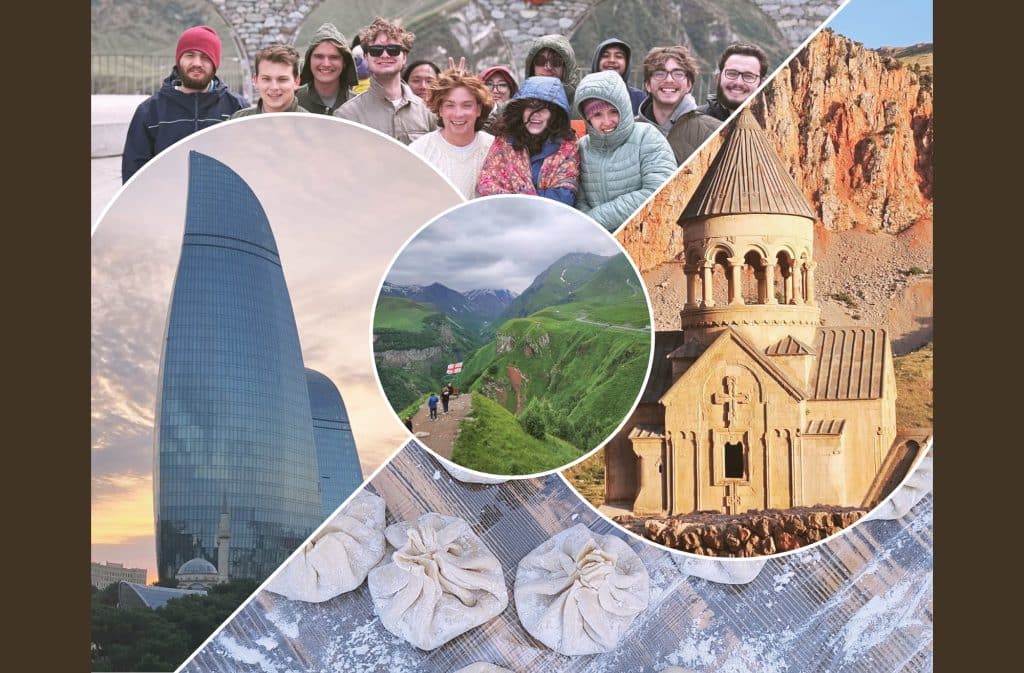
From Tbilisi, students can examine how Georgia’s experience of empire, Soviet rule, independence, and territorial conflict continues to shape the country. On programs that include travel to Armenia and Azerbaijan, they can then compare Georgia’s trajectory with those of its neighbors. Travel in Armenia introduces students to perspectives shaped by the country’s particular historical memory and security concerns; Azerbaijan offers a different view, influenced in part by its energy resources and connections to the Caspian Sea. Although regional travel focuses on the South Caucasus, relevant coursework can also examine the North Caucasus and its significance for the history and security of the wider region.

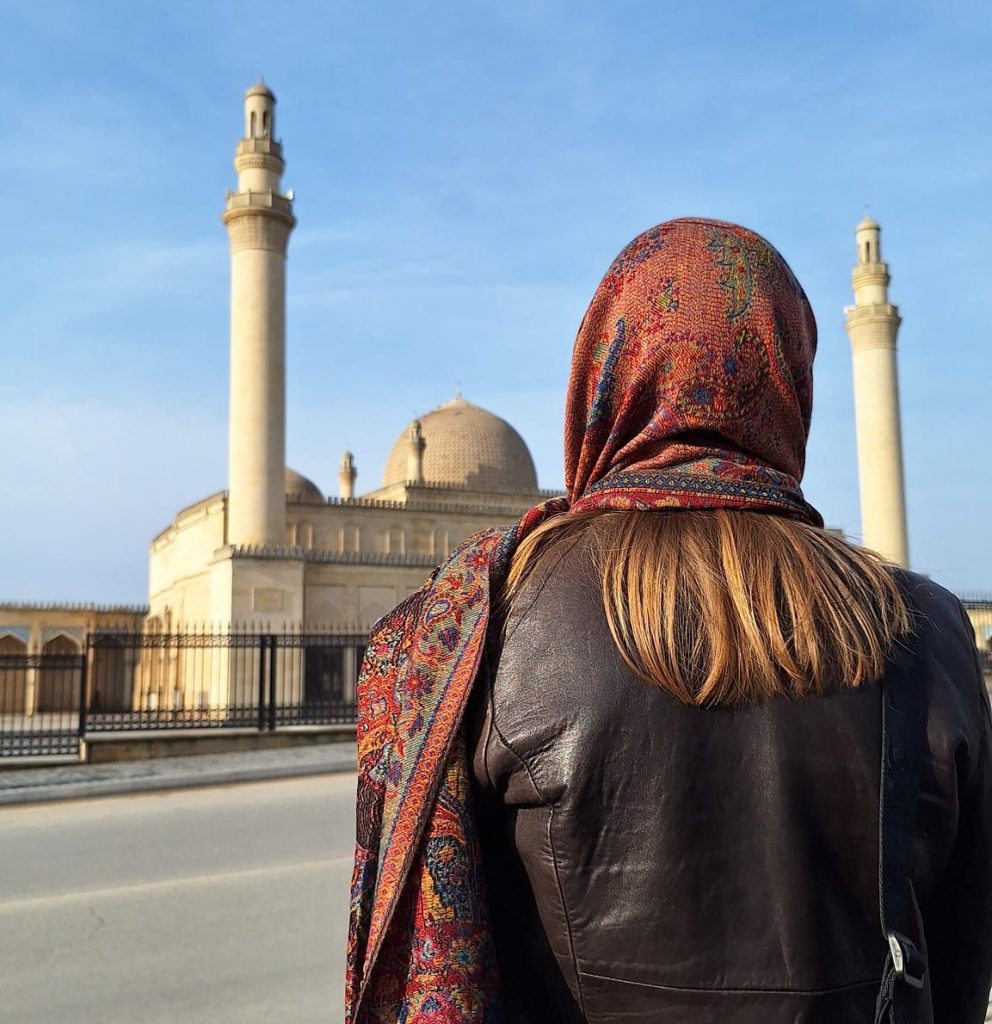
These comparisons help students understand the South Caucasus as an interconnected region rather than three isolated countries. They also reveal how shared historical and geographic conditions have produced markedly different political, economic, and cultural outcomes.
Learning Across Georgia
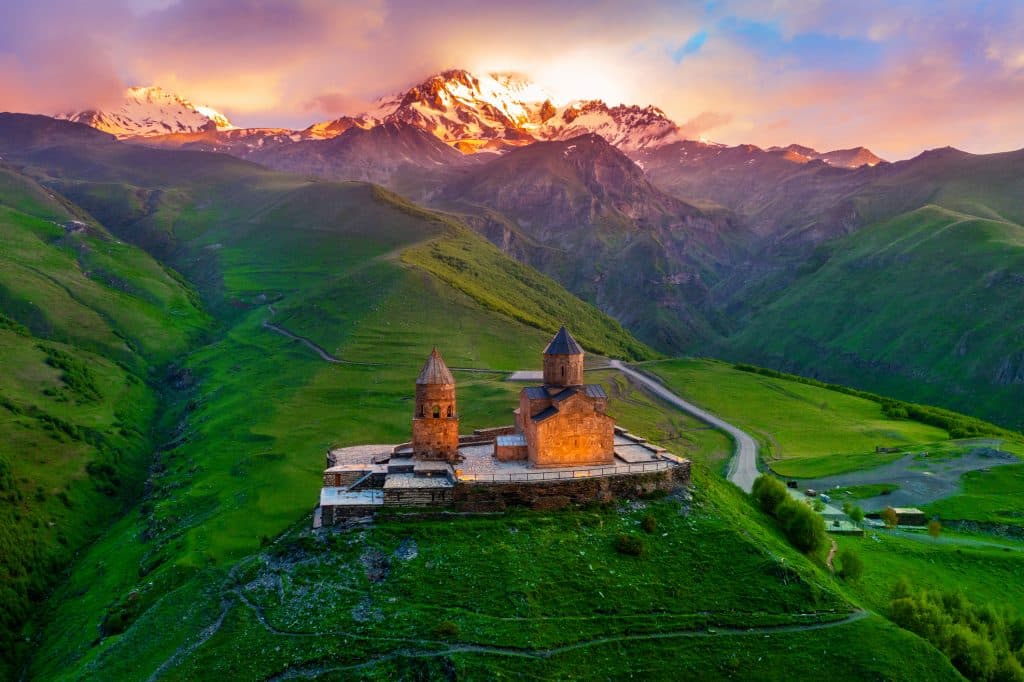
Much of Georgia’s academic value comes from the contrasts students can encounter within a relatively compact country. In Gori, a visit to the Stalin Museum opens discussion about Soviet history and the politics of memory. In Kakheti, vineyards, monasteries, and family traditions reveal how wine connects agriculture with religion, hospitality, and national identity. Traveling north along the Georgian Military Highway toward Kazbegi brings mountain geography, historic routes, and Georgia’s proximity to Russia into direct view.


Back in Tbilisi, guest lectures and visits introduce students to local experts and organizations connected to their coursework. Students studying Georgian or Russian encounter the languages not only in class but also through host families, conversation partners, cultural activities, and daily life.
Which Students Are a Good Fit for Tbilisi?
Students do not need prior knowledge of Georgia, extensive travel experience, or language study to succeed in Tbilisi. The strongest candidates are curious, adaptable, and prepared to engage with a place that may challenge some of their assumptions. With appropriate support, the city can work well for both experienced travelers and students undertaking their first extended period abroad.
Some students arrive with an existing interest in the Caucasus, international relations, history, or identity. Others come primarily to continue Russian in a setting where they can hear and use the language regularly, or to begin Georgian. Students can therefore approach the region through a subject they already study without arriving as regional specialists.
Georgia for Faculty-Led Programs
Georgia works well for faculty-led programs because itineraries can be shaped around both the course content and the time available. A shorter program might use Tbilisi as its base, with excursions elsewhere in eastern Georgia. With more time, travel to Kutaisi, Batumi, and other parts of western Georgia can introduce to the Black Sea, Adjara, and further contrasts within the country.
Potential themes extend across international relations, history, anthropology, language, literature, religion, food systems, environmental studies, migration, identity, and economic development. Programs can focus entirely on Georgia or add travel to Armenia or Azerbaijan when the course calls for a comparative approach to the Caucasus.


SRAS works with faculty to connect course objectives with appropriate locations and local expertise, whether they are developing a new course around the region or bringing an existing course into a new setting.
Ways to Study in Tbilisi
SRAS programs in Tbilisi support several distinct academic pathways:
- Language Study: Students can pursue Russian or Georgian language study in summer and during the semester, either as their main academic focus or alongside other coursework. Summer language students can add the Applied International Studies Lab, developing practical skills in institutional and stakeholder analysis, problem framing, and professional communication.
- Semester Study: Identity and Conflict in the Caucasus combines interdisciplinary coursework, language study, and travel in Georgia, Armenia, and Azerbaijan. Students can also pursue an internship or the Applied International Studies Practicum, developing skills in institutional and stakeholder analysis, program and project design, and communication through professional briefs and presentations.
- Geopolitics and Security: The four-week summer program Crossroads examines regional geopolitics and security and offers the optional Applied Regional Security Lab.
- Spring Break: Wine and History in Georgia uses wine as a point of entry into Georgian history, culture, and identity.
Experience Georgia!
SRAS has programs for individual students and supports faculty-led programs.