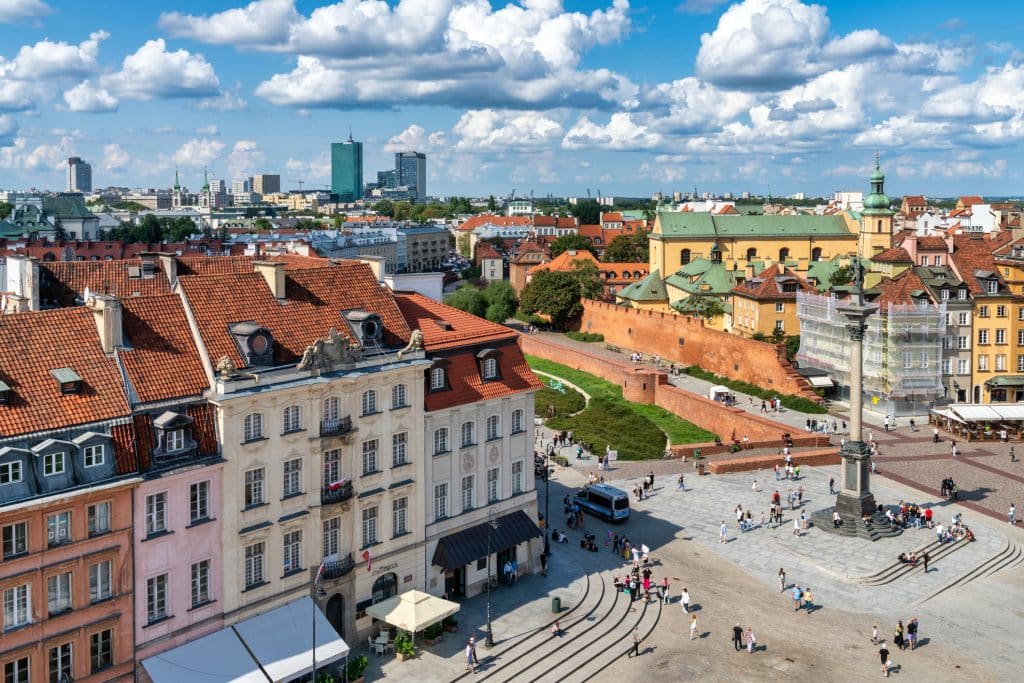
Warsaw is Poland’s political, economic, and educational center and an important base for exploring contemporary Central & Eastern Europe. Universities, museums, cultural institutions, government bodies, and public spaces bring questions of history, identity, security, and European integration into close proximity.
The city’s twentieth-century history remains unusually visible. Nearly destroyed during World War II and rebuilt in the decades that followed, Warsaw also reflects the legacies of state socialism, democratic transformation after 1989, and Poland’s subsequent integration into NATO and the European Union. Museums, memorials, architecture, and public debates reveal how these experiences continue to shape contemporary Poland.
Warsaw has also become home to significant communities from elsewhere in the region, particularly Ukraine and Belarus. Their presence adds another dimension to the city’s cultural and linguistic life and makes Warsaw an important setting for studying not only Poland, but the changing relationships and societies of Central & Eastern Europe.
Warsaw as a Gateway to Central & Eastern Europe
Warsaw’s rail and air connections make it a practical base for exploring Poland and the wider region. Students can travel independently to cities across Poland and neighboring countries, while some SRAS programs incorporate academic travel elsewhere in Central & Eastern Europe. This accessibility allows students to extend their understanding of the region beyond their primary study location.

Learning in Warsaw
Warsaw supports study across language, international relations and security, identity, and history, with the city’s institutions and increasingly international population providing context for each.
Language
Study Polish within its national and cultural context, or Ukrainian and Belarusian within communities that have become an increasingly visible part of contemporary Warsaw.
International Relations & Security
Examine European security, NATO, regional diplomacy, and Poland’s role in the political and security relationships shaping Central & Eastern Europe.
Identity & Society
Explore how historical memory, language, migration, and cultural traditions continue to shape contemporary Poland and the wider region.
History & Culture
Explore museums, memorials, neighborhoods, architecture, and cultural life while examining how war, reconstruction, state socialism, and democratic transformation have shaped contemporary Warsaw.
Student Life in Warsaw
Life in Warsaw extends well beyond the classroom. Cafés, parks, neighborhood markets, museums, concerts, festivals, and an active food and cultural scene give students plenty to explore, while extensive public transportation makes it easy to move between the city’s distinct neighborhoods.
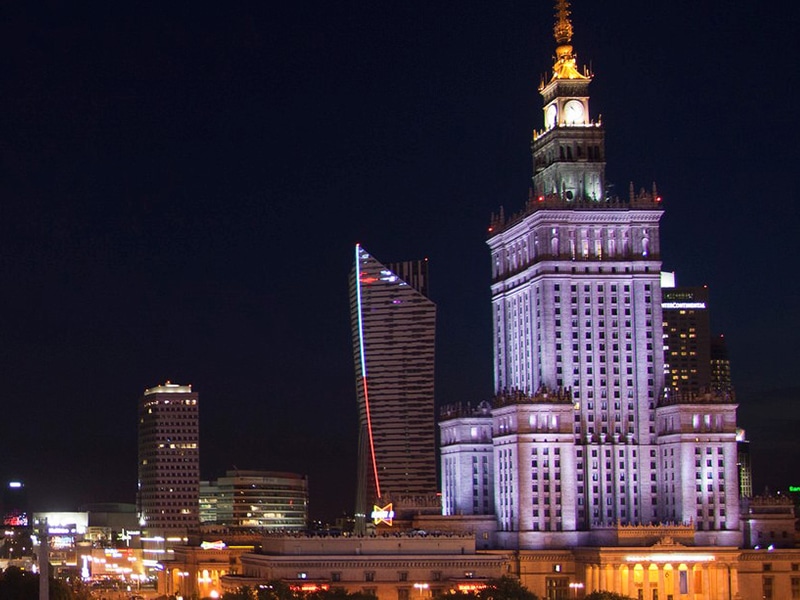
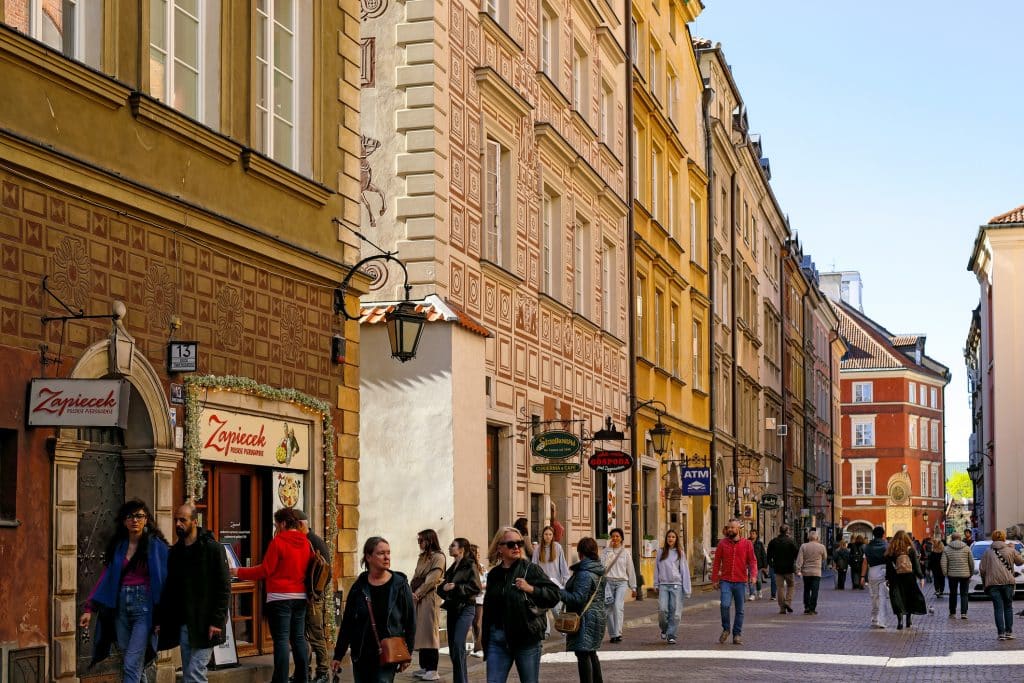
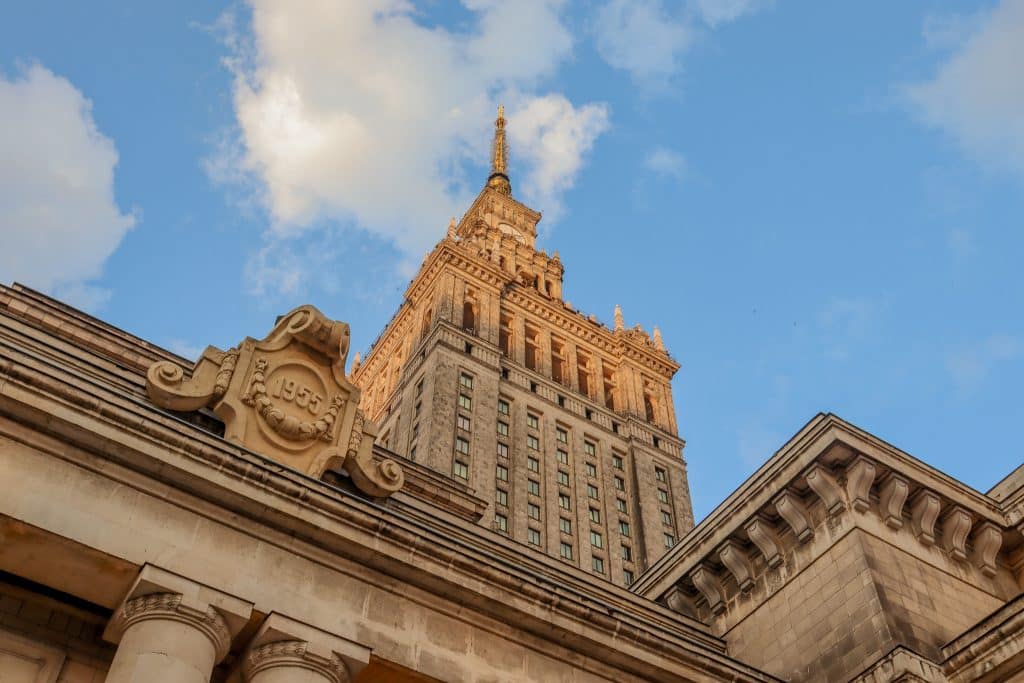
Warsaw’s scale also allows students to experience very different sides of the city—from the reconstructed historic center and monumental government districts to residential neighborhoods, riverside spaces, university areas, and rapidly changing parts of the city. Over time, these become part of the everyday experience of living in the Polish capital.
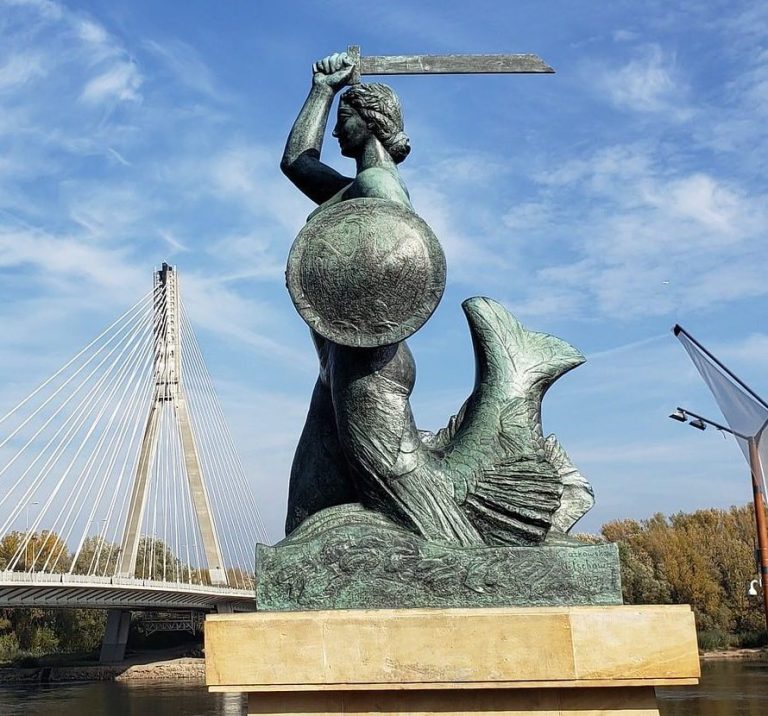
This experience was the most interesting, meaningful, educational, enriching, and memorable of my life.
— Nya Feinstein, Security and Society Summer School, 2023
Programs in Warsaw

Warsaw: Belarusian Studies
Build on your Slavic language skills while exploring Belarusian culture, identity, and contemporary society in Warsaw and Podlasie.

Warsaw: Security and Society Summer School
Multi-faceted study of global security threats and a research internship at the Terrorism Research Center

Warsaw: Polish Language
Study Polish in Warsaw, using the language in daily life while engaging with culture, institutions, and contemporary society.
Warsaw: Ukrainian Language
Study Ukrainian in Warsaw, where a growing Ukrainian community brings the language into daily life across a dynamic European city.
Warsaw: Security & Diplomacy–CEE Perspectives
Study security and diplomacy in Warsaw after intensive Polish in Warsaw or Russian in Riga.