Okay. Full disclosure. I have a bit of a problem.
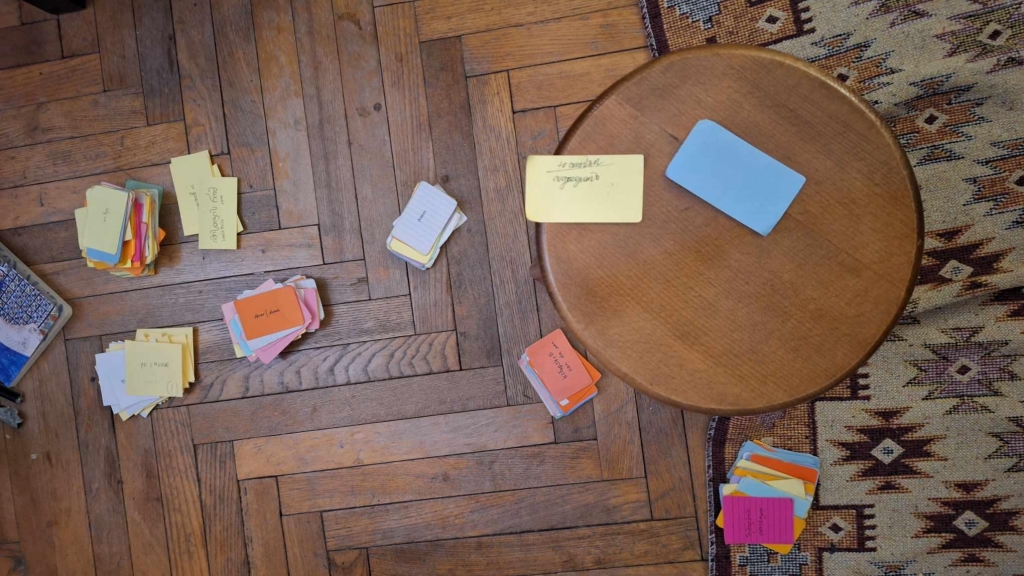
Of course, my dear husband feels that it is more than a bit of a problem, considering he is the one who has to most often deal with them. They are spread across the tables, randomly stuffed under furniture, and in bags. I am even positive that he found one in the fridge once—not sure how I managed that.

Yes, my flashcards are indeed everywhere. I have thousands of them, and I am unreasonably attached to them, which makes a lot of sense considering the hours of time it took me to make them. By this point, my flashcards are a part of my reputation, almost like an iconic character prop like Thor with the hammer or Frodo with the “one ring to rule them all”.
I started actively using flashcards after my first trip to Russia, and I would say that their use has been one of the main reasons for my progress in the language.
However, unfortunately, the same can’t be said about my Georgian.
Sure, to be fair, I can certainly blunder my way through most everyday interactions here. But the truth is, I learned more Russian in a year in Chicago than I learned Georgian after eight years of living full-time in Tbilisi—and believe me, it wasn’t for lack of flashcards.
So, what is the reason? Why have I struggled to improve despite being in the country, the quote on quote the most immersive environment? While there are several external factors that admittedly make learning Georgian difficult, I want to focus on those related to my personal intent—factors that ultimately come down to me:
Deliberate Exposure
One thing I have learned is that immersion is ultimately a choice. When I lived in Chicago one of the reasons why I found progress in Russian is because I sought out places to practice my language skills. I frequented all of the shops in Skokie, and became somewhat of a mini-celebrity at the banya in Wicker Park. Within the confines of an American city, I for the most part created a Russian life for myself.
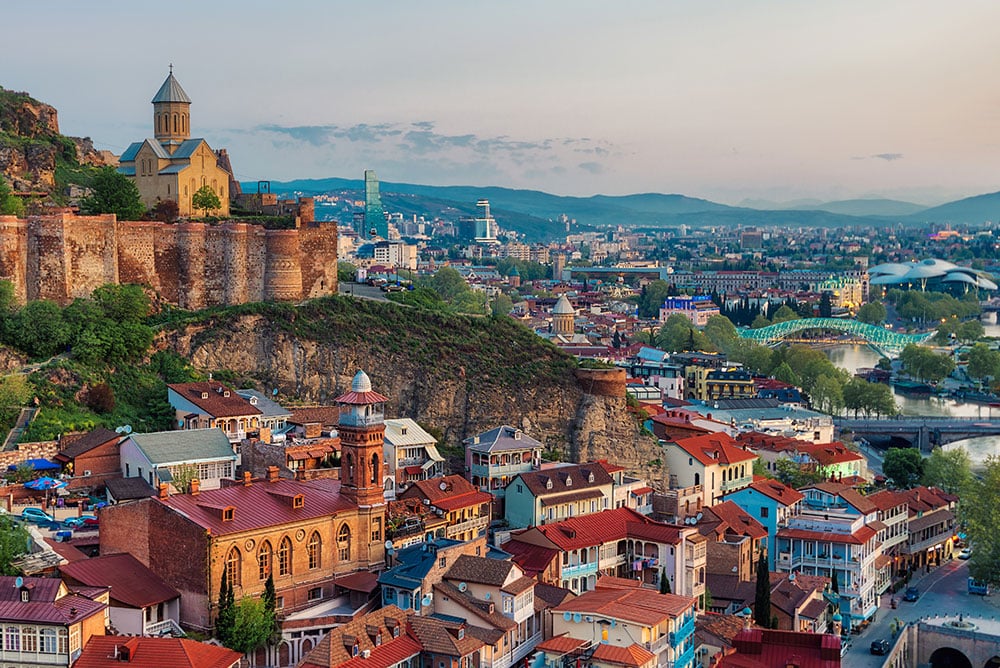
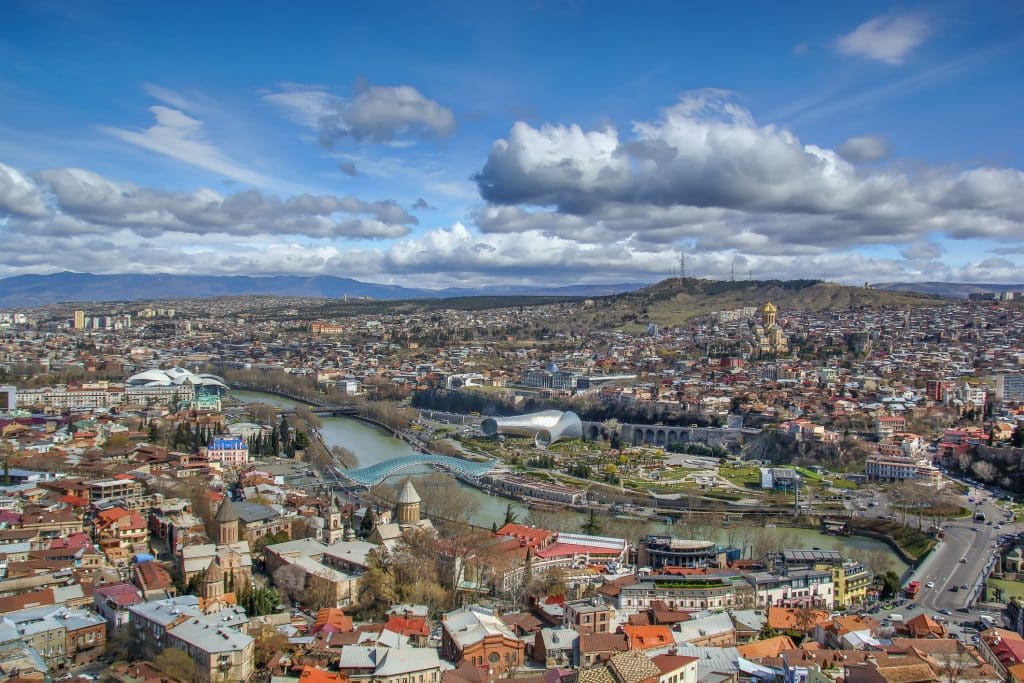
In Georgia, it has been quite the opposite. I teeter between the English and Russian speaking communities by using Georgian only as transport between the two. I work in English and speak to my mother-in-law in Russian. My days are spent hanging out at the Russian bookstore, and my nights are spent hosting English trivia. Despite being quite literally surrounded by Georgian, in my life I don’t use it as much as I would like.
In the case of our students, I remind them of this as well. When they come and study Russian here, they sometimes forget about their part in exposing themselves to the language. It is one thing to stay at a homestay, but are they seeking out conversations with their host families? In between lessons, where do they decide to go? Who do they decide to spend their time with? What music do they listen to or movies do they watch?
All of these are factors in terms of having real and consistent exposure, and ultimately it is a choice.
Purposeful Practice
If the abundance of flashcards is any indication, I am kind of a fein for words. Early on in my Russian journey I was spitting out words like досадно (annoying) and фитиль (wick). However, grammar was always–and still is in many regards–my weakness. Most of the time my vast vocabulary and fast talking could mask my mistakes. I thought that I could have the same approach in Georgian.