Belarus is often understood primarily through its relationship with Russia or its authoritarian political system, obscuring the country’s distinct history and national identity. This lecture traces how Belarusian identity developed amid shifting borders and periods of Polish, Russian, and Soviet rule, and examines why the Belarusian language remains culturally significant despite the predominance of Russian. It will also consider how the protests of 2020, Russia’s war against Ukraine, and large-scale emigration have changed the ways Belarusians understand and express their national identity.
Speaker
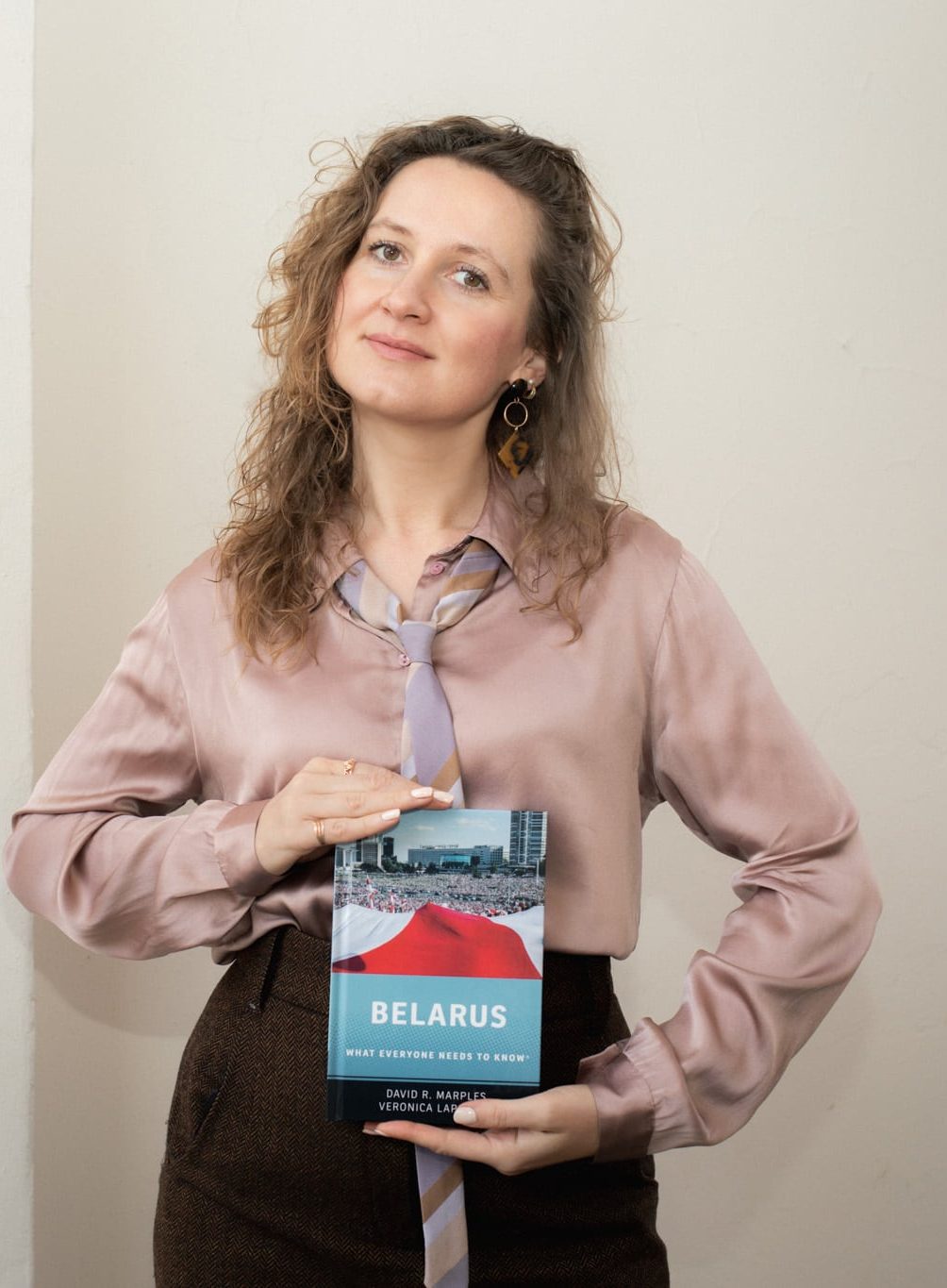
Veronica Laputska is a political scientist, media expert, and researcher specializing in the politics of memory. Her work examines elections, traditional and social media, democratization, national identity, gender, and Jewish studies. She has worked across academia, civil society, international organizations, and business consulting, with extensive experience in Central and Eastern Europe and other regions. Her analysis has appeared in academic and media publications, and she has been featured by the Financial Times, Le Monde, Euronews, Voice of America, RFE/RL, and other international outlets. She is coauthor, with Distinguished Professor David R. Marples, of Belarus: What Everyone Needs to Know, published by Oxford University Press in 2026.
Veronica Laputska contributes to our Belarusian Studies summer program in Warsaw.
About the Series
The Eurasian Corridor Lecture Series features primary and guest lecturers who contribute to SRAS programs across the Baltics, Central & Eastern Europe, the Caucasus, and Central Asia. Through focused online lectures, they share regional expertise and perspectives on the political, social, cultural, and economic forces shaping the Corridor and its place in the wider world.
Event Format
Unless otherwise noted, each event includes a 25–30-minute presentation, followed by 15 minutes of moderated discussion and 15 minutes of questions from attendees. A recording will be sent to everyone who registers.