Armenia’s long history and strong cultural continuity remain central to national identity and public life. Its early adoption of Christianity, distinctive language and alphabet, religious and literary traditions, and extensive diaspora provide important context for understanding both contemporary Armenia and its place within the South Caucasus.
At the same time, Armenia is navigating significant political, economic, and social change. Questions of national identity, historical memory, migration, regional security, and economic development intersect with changing relationships with neighboring states and the wider international community.
Across the country, monasteries and archaeological sites, Soviet-era legacies, contemporary cultural institutions, and a growing technology sector reveal different layers of Armenian society and its development.
Armenia in the Caucasus
Armenia occupies a distinctive position within the South Caucasus. Landlocked between Georgia, Azerbaijan, Turkey, and Iran, its geography and history have shaped relationships with neighboring states as well as its economic and security choices. Closed borders with Turkey and Azerbaijan have further influenced patterns of trade, transportation, and regional connection.
Armenia’s relationships with Russia, Europe, Iran, and neighboring Georgia, together with its evolving regional diplomacy, provide valuable perspectives on how a small state navigates security, economic development, and changing geopolitical relationships. Regional travel can extend this perspective by exposing students to neighboring societies whose historical experiences and political trajectories differ significantly from Armenia’s.

Study in Yerevan
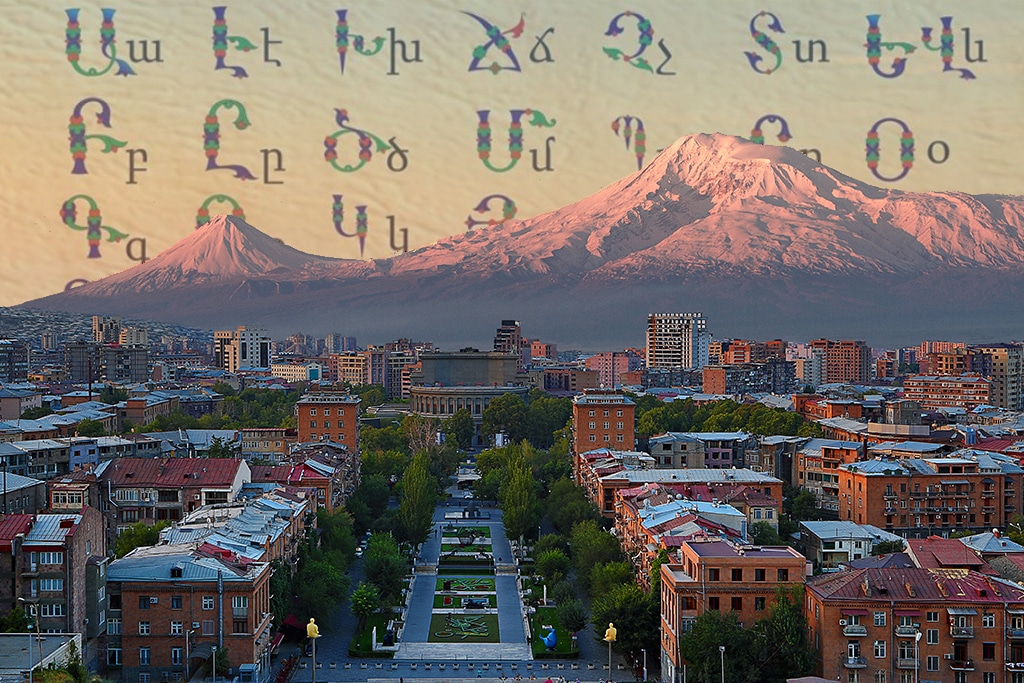
Yerevan serves as the academic home for SRAS programs in Armenia. The capital brings together universities, museums, cultural institutions, historic sites, and a growing technology and creative sector, while providing convenient access to communities and landscapes throughout the country.
Explore Armenia
Explore destinations beyond Yerevan that highlight different dimensions of Armenia’s history, culture, landscape, and contemporary society.

Gyumri
Armenia’s second-largest city has a strong regional identity shaped by architecture, arts, Russian and Soviet influences, and recovery from the 1988 earthquake. Its historic center and continuing reconstruction offer perspectives on memory, resilience, and urban life beyond Yerevan.

Lake Sevan
One of the world’s largest high-altitude lakes, Lake Sevan is central to Armenia’s environment and geography. Its communities, historic sites, and changing shoreline offer perspectives on water resources, conservation, tourism, and the relationship between people and landscape.

Dilijan / Tavush
The forests and mountain communities of Tavush reveal a greener, more rural side of Armenia. Dilijan and the surrounding region offer perspectives on conservation, tourism, regional development, and life in a northern borderland shaped by geography and changing connections.

Areni / Vayots Dzor
Vayots Dzor connects ancient settlement and archaeological discovery with living traditions of agriculture and winemaking. Areni and the surrounding valleys offer perspectives on food, land, cultural continuity, and the ways local traditions are being adapted for a changing economy.

Goris / Tatev / Syunik
Southern Armenia combines dramatic geography with deep historical and strategic importance. Goris, Tatev, and the wider Syunik region offer perspectives on religious and cultural heritage, borderland communities, transportation, security, and Armenia’s connections to the south.

Meghri
At Armenia’s southern edge, Meghri sits near the border with Iran in a landscape unlike much of the country. Its location offers perspectives on trade, transportation, borderland life, agriculture, and the strategic connections linking Armenia with Iran and regions farther south.


Programs in Armenia

Winter Break Yerevan: Persian Language Intensive
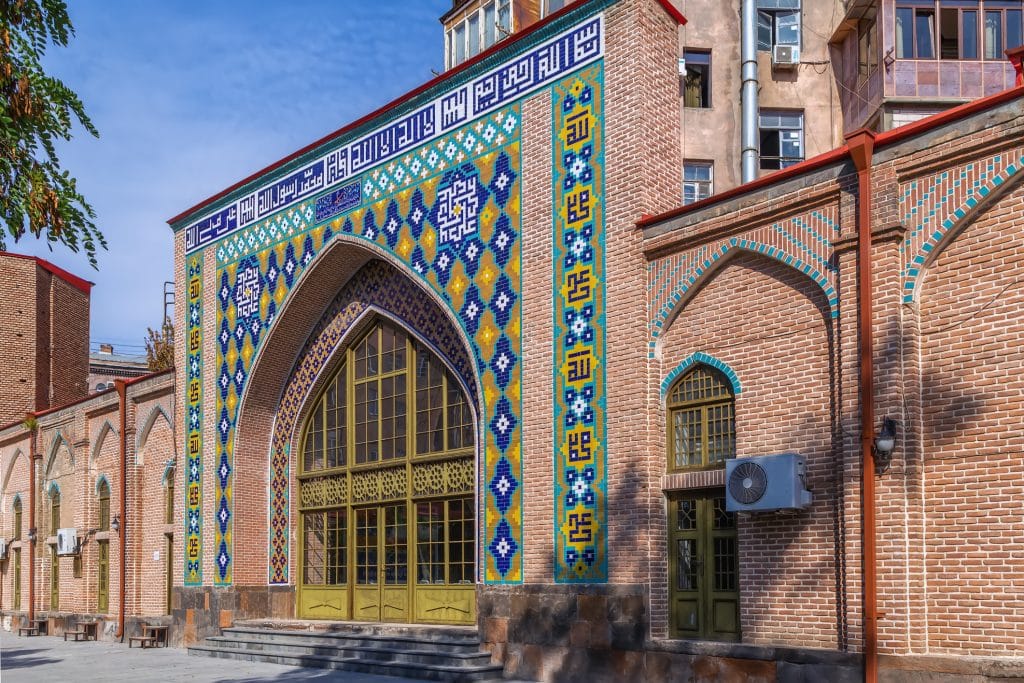
Spend winter break in Yerevan with intensive Persian language study and a cultural program exploring Armenia, its connections with Iran, and the city during the holiday season.

Crossroads: Geopolitics and Security in the Caucasus
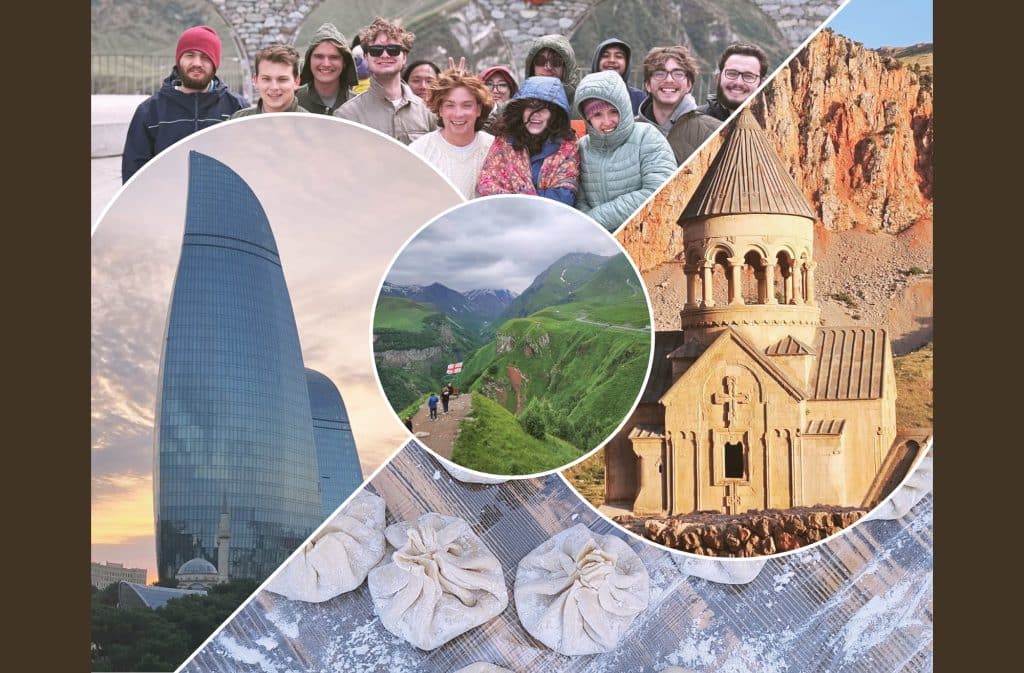
Travel across Armenia, Azerbaijan, and Georgia while exploring geopolitics, conflict, and identity in one of Eurasia’s most strategic regions.
Yerevan: Armenian Language & Culture
Intensive Armenian language study in Yerevan, exploring identity, history, and culture through immersive, context-rich learning experiences.
Iran: Society, Power, and Regional Order
Examine Iran through lectures and regional context, exploring society, sanctions, and geopolitics at the crossroads of Eurasia.
Yerevan: Persian Language
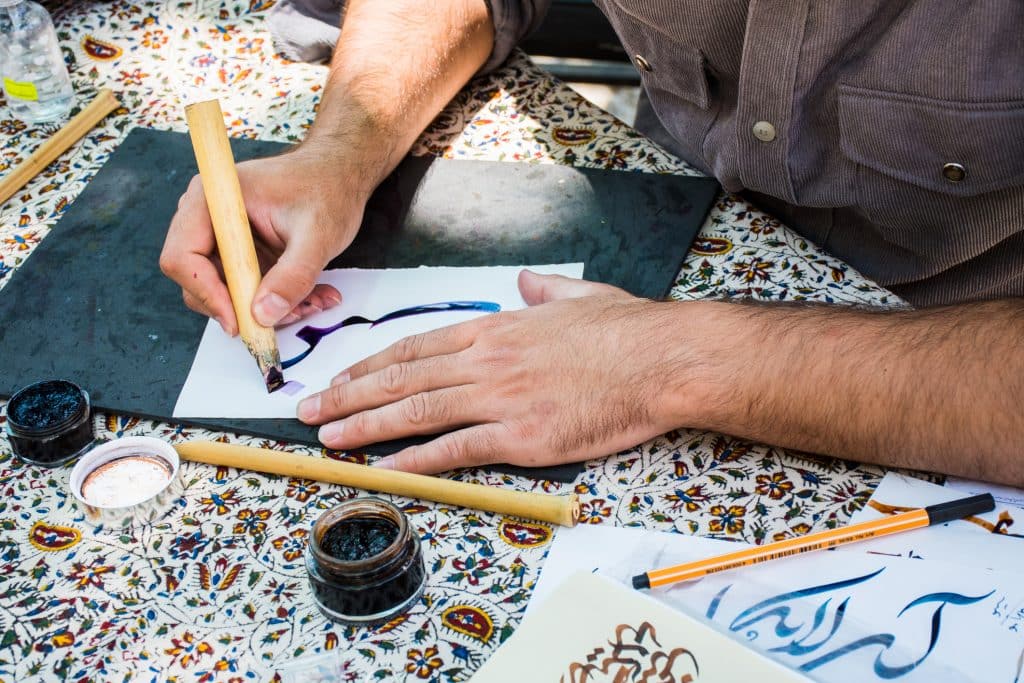
Study Persian in Yerevan while exploring Iranian society, culture, and regional connections through immersive, context-rich language learning.
Programs that include Armenia

Tbilisi: Identity and Conflict in the Caucasus
Study identity and conflict through regional travel, interdisciplinary courses, and language immersion across Georgia, Armenia, and Azerbaijan.